
Posts by admin
What Are HEPA Filtration Systems?
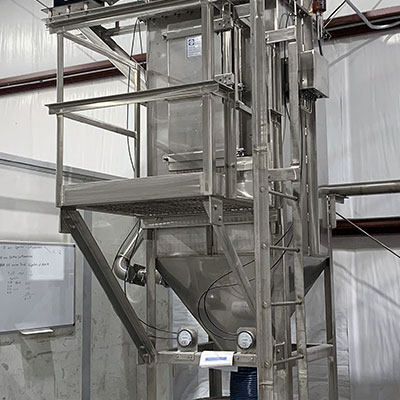
A HEPA filtration system is designed to remove extremely small airborne particles with exceptional efficiency, making it an essential solution for industries that demand clean, contaminant-free air. Whether you’re managing a cleanroom, pharmaceutical process, or lab environment, understanding how HEPA filters work—and when to use them—can help you maintain regulatory compliance and protect both product…
Read MoreMERV Rating Scale: What You Should Know
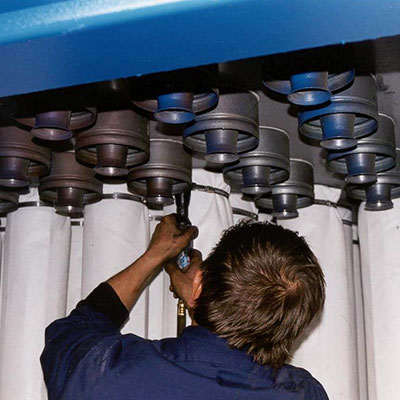
The MERV rating scale is a numerical tool used by engineers and operators of industrial dust collection systems to measure the efficiency of their systems. The rating scale is an industry-standard established to measure the overall quality, effectiveness, and performance of air filtration systems.
Read MoreYour Complete Dust Collector Maintenance Checklist

An important first step when establishing a maintenance plan for your dust collector system is the creation of a dust collector maintenance checklist. As with any system, routine maintenance is an important component to ensure dust collectors keep running at peak efficiency. Evaluating the performance of dust collectors makes certain systems function as designed at…
Read MoreHow to Filter Combustible Dust with the Right Dust Collector System

Combustible dust has long posed a serious hazard in industrial production environments. For many companies, incorporating preventive strategies is essential to hinder the accumulation of combustible dust in manufacturing plants and facilities before deflagration, flash fires, or dangerous explosions occur. At risk are employees, personnel, and visitors, but also loss of property—equipment and machinery, and…
Read MoreWhat Size Dust Collector Do I Need?
“What size dust collector do I need?” is likely one of the first questions asked when researching dust collectors for your facility. It’s an important one. Dust collectors are a class of air pollution control devices found in industrial or commercial environments that are designed to meet EPA and workplace air quality safety requirements. They…
Read MoreHow to Choose the Best Dust Collector Bag Filter for Your System

Choosing the best dust collector bag filter is just as vital as choosing the best dust collector for your plant, factory, mill, or any processing facility. The correct dust collector bag filter acts to capture harmful particles from the airstream, improving air quality and preventing the accumulation of combustible dust and gases.
Read MoreIndustrial Cyclone Dust Collectors vs Pulse Jet Dust Collectors: What’s the Difference?
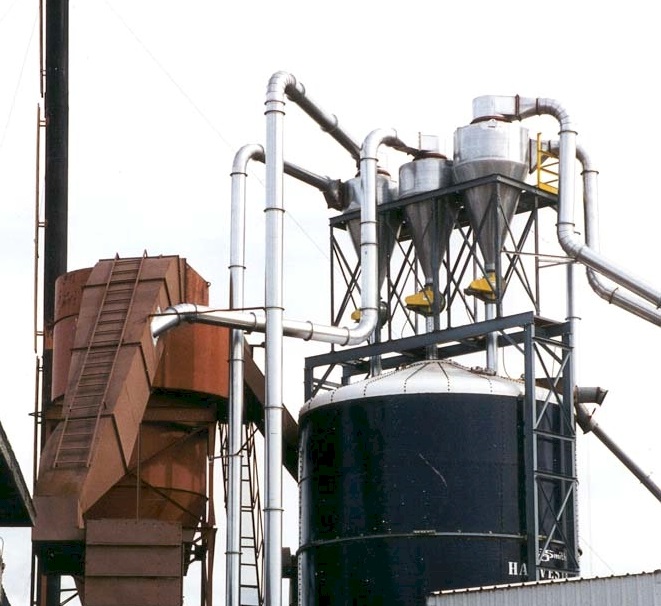
As with any dust collection system, industrial cyclone dust collectors and pulse jet dust collectors are used to separate harmful particles and gases from the airstream in work environments. Within plants and factories, the two dust collection systems act to protect the health of employees. Outside of facilities, the systems protect the general public and…
Read MoreHow Dust Control Solutions Can Improve Your Bottom-Line
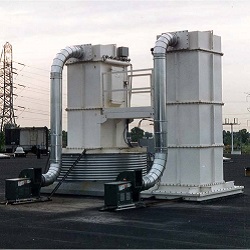
Effective dust control solutions are necessary for any industry whose production processes generate fine particulate matter as a material byproduct. More than simply a health risk, material dust has the potential to disrupt or halt production, damage equipment, increase plant maintenance costs, and even cause fires or explosions. Keeping industrial facilities and plants dust-free mitigates…
Read MoreAdvantages of Custom Dust Collection Ductwork Design
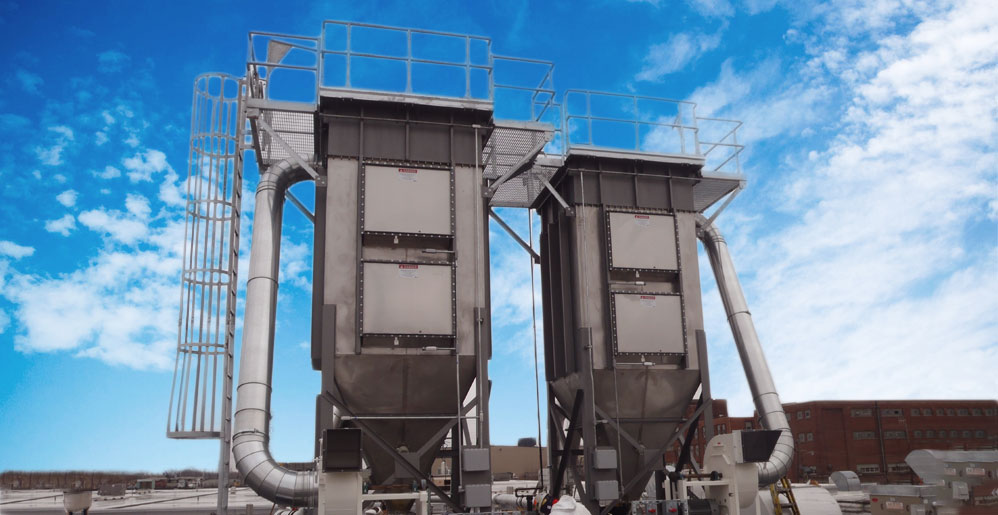
Many industrial workplaces require dust collection systems that clear away any filter airborne dust, along with other debris, during production. Dust collectors work on the basic premise of catching, transporting, and gathering dust and other particulates. A good dust collector design is one that does all these things well, and safely. As a key part…
Read MoreDust Explosion Prevention: Reducing Combustible Dust Hazards in Dust Collection Systems
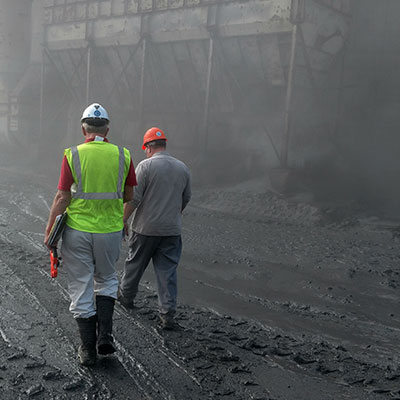
In any industrial production environment, dust explosion prevention strategies and measures are essential to stop flash fires, explosions, or regular fires from occurring related to combustible dust produced and accumulated within the facility. Combustible dust hazards present very real dangers for fires and explosions in industrial production and processing plants and facilities. Dust explosion prevention…
Read More