
Home / Industries / Food Processing
Industry
Dust Collection for Food Processing
Sanitary construction, hygroscopic powders, and the fact that flour and sugar dust are among the most explosive materials in industry.
The Dust
Flour, sugar, starch, milk powder, spices and grain. Organic, frequently hygroscopic, and — a point still underestimated in this industry — combustible in suspension. Sugar and flour dust have caused some of the most severe industrial explosions on record.
What Makes It Difficult
Sanitary construction is not optional. Smooth welds, minimal crevices, surfaces cleanable to a documented standard. A collector designed for a foundry cannot be cleaned to food standard regardless of what it is made from.
Hygroscopic material changes state. Powder that flows in the process cakes in the hopper if moisture is not controlled, and a caked hopper is a maintenance call every week rather than a design problem solved once.
Allergen segregation. Where a plant runs allergen and non-allergen product, shared collection is a recall risk, not merely a cleaning inconvenience.
What We Specify
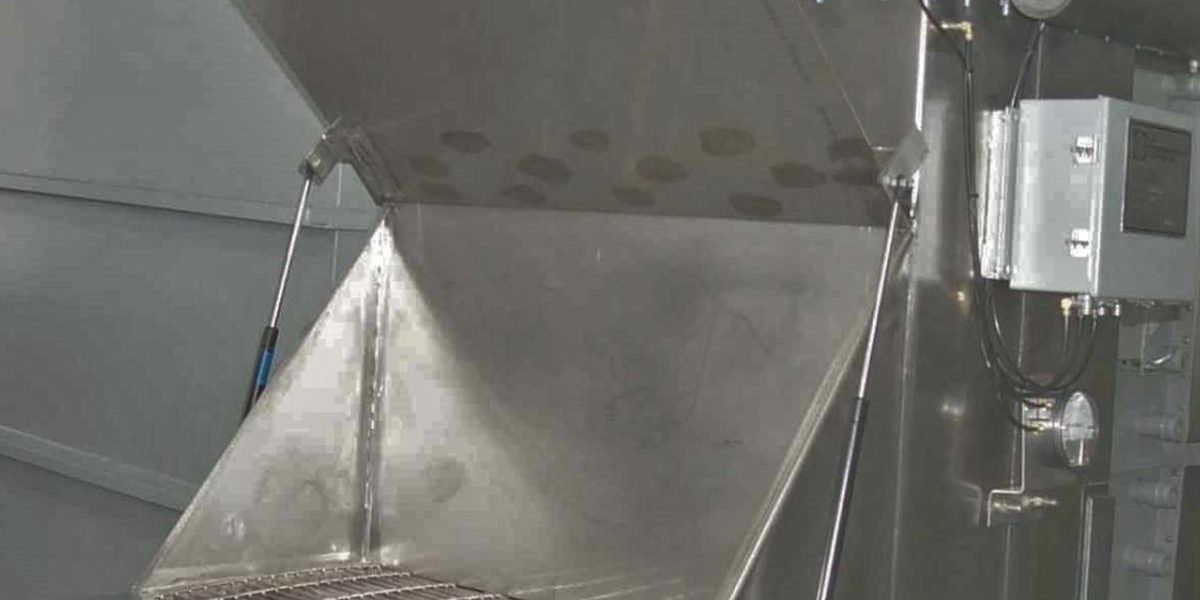
304 or 316 stainless sanitary construction, smooth internal welds, minimal ledges. Discharge arrangements that break down and clean without tools where the duty requires it.
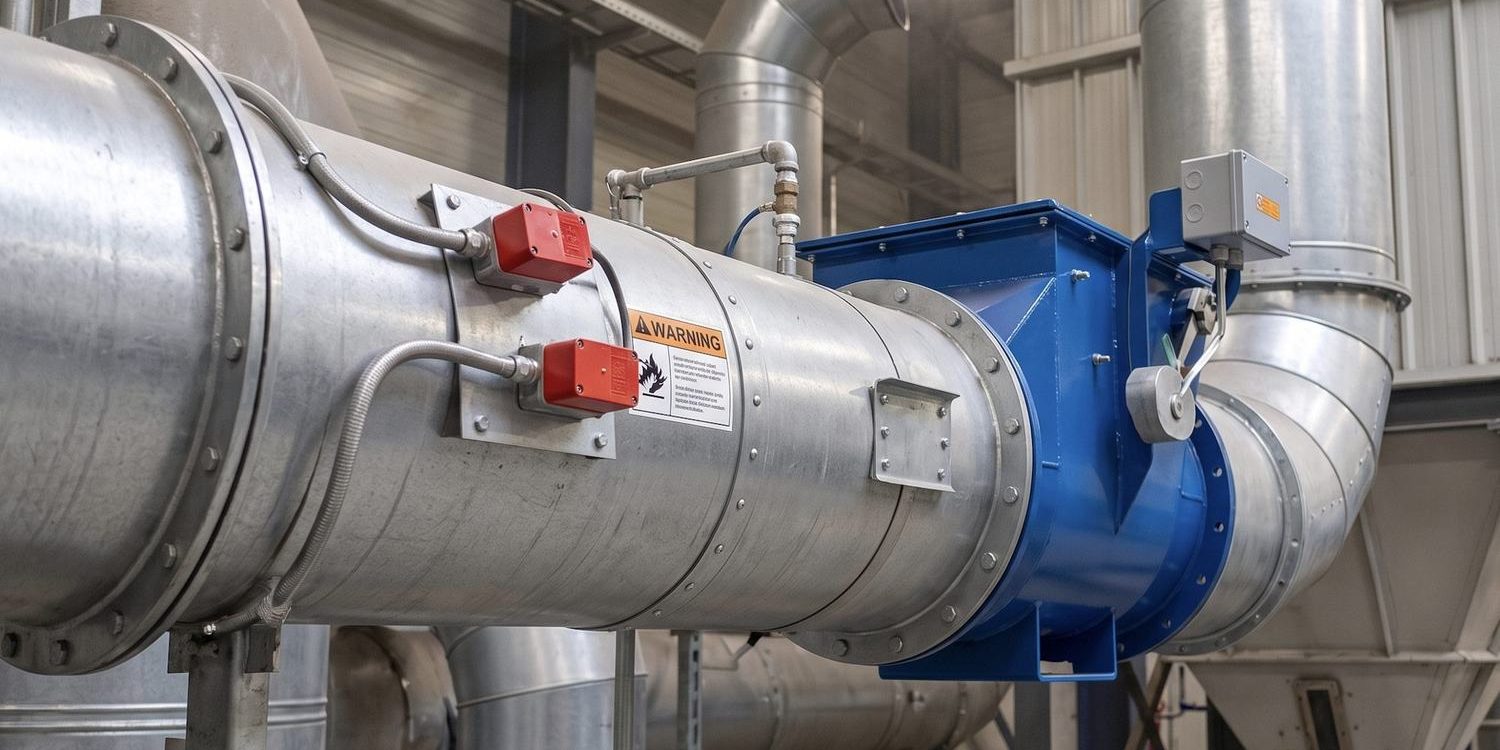
Explosion protection sized from the specific material. Flour, sugar and starch have different KSt values, and specifying from a general assumption is how systems end up simultaneously over-priced and under-protected.
Media chosen for release as much as for capture. In this industry the cleaning cycle matters more than the headline efficiency figure — a membrane that captures well and releases poorly will blind on hygroscopic powder within weeks.
304 stainless sanitary construction throughout, smooth welds and minimal crevices. Capture efficiency improved 7%, and the plant’s insurance and corporate risk position improved materially alongside it.
Read the full case study →Regulatory Context
FDA and USDA requirements govern construction and cleanability. NFPA 61 covers agricultural and food processing facilities specifically and is the applicable standard rather than NFPA 654 — a distinction worth confirming before a DHA is scoped. OSHA’s combustible dust National Emphasis Program has historically targeted food processing.
Related equipment
What we typically specify here
Tell Us What You Process
Send us the material, the process and the constraint. We will tell you what we would specify.