
Home / Applications / Woodworking
Application
Woodworking and Panel Processing
Two dusts in one stream — coarse chip and fine sanding dust. Size the ducting for the wrong one and it either blocks or starves.
The Problem
Woodworking produces two dusts in one stream. Coarse chip and shavings from sawing, routing and planing, and fine respirable dust from sanding. They behave differently in ducting, in the collector, and in a hopper — and a system designed for one handles the other badly.
What Makes It Difficult
Conveying velocity has to suit the heavier fraction. Chip settles in ducting sized for fine dust, and settled chip in a duct is both a blockage and a fuel load. That pushes duct velocity up, which increases fan power for the whole system.
Wood dust is combustible and, in the case of hardwood and MDF sanding dust, it is also a recognised carcinogen with its own exposure limit. Both facts point at the same requirement: capture at source, not general ventilation.
Volume is high relative to plant size. A modest cabinet shop can need more airflow than a much larger metal fabrication plant, which surprises people budgeting from square footage.
What We Specify
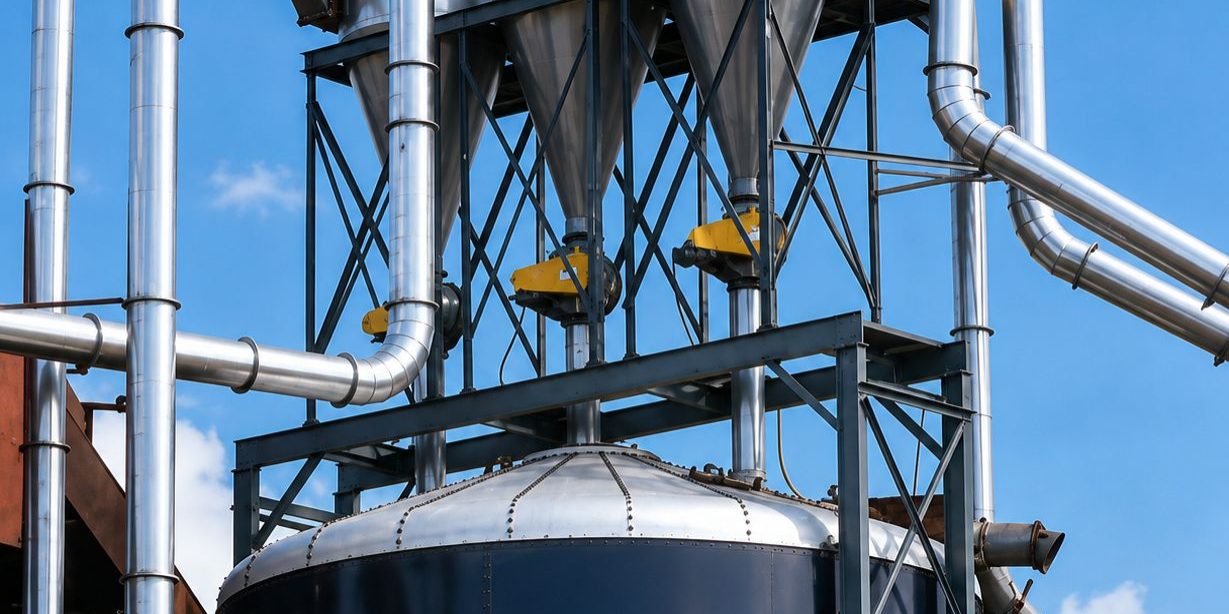
Cyclone pre-separation ahead of the collector in almost every case. It removes the chip fraction, keeps it out of the filter, and makes the recovered material easier to handle or sell.
Duct velocity set for the heaviest fraction actually present, with branch balancing so the sanding takeoffs do not starve when the saws run.
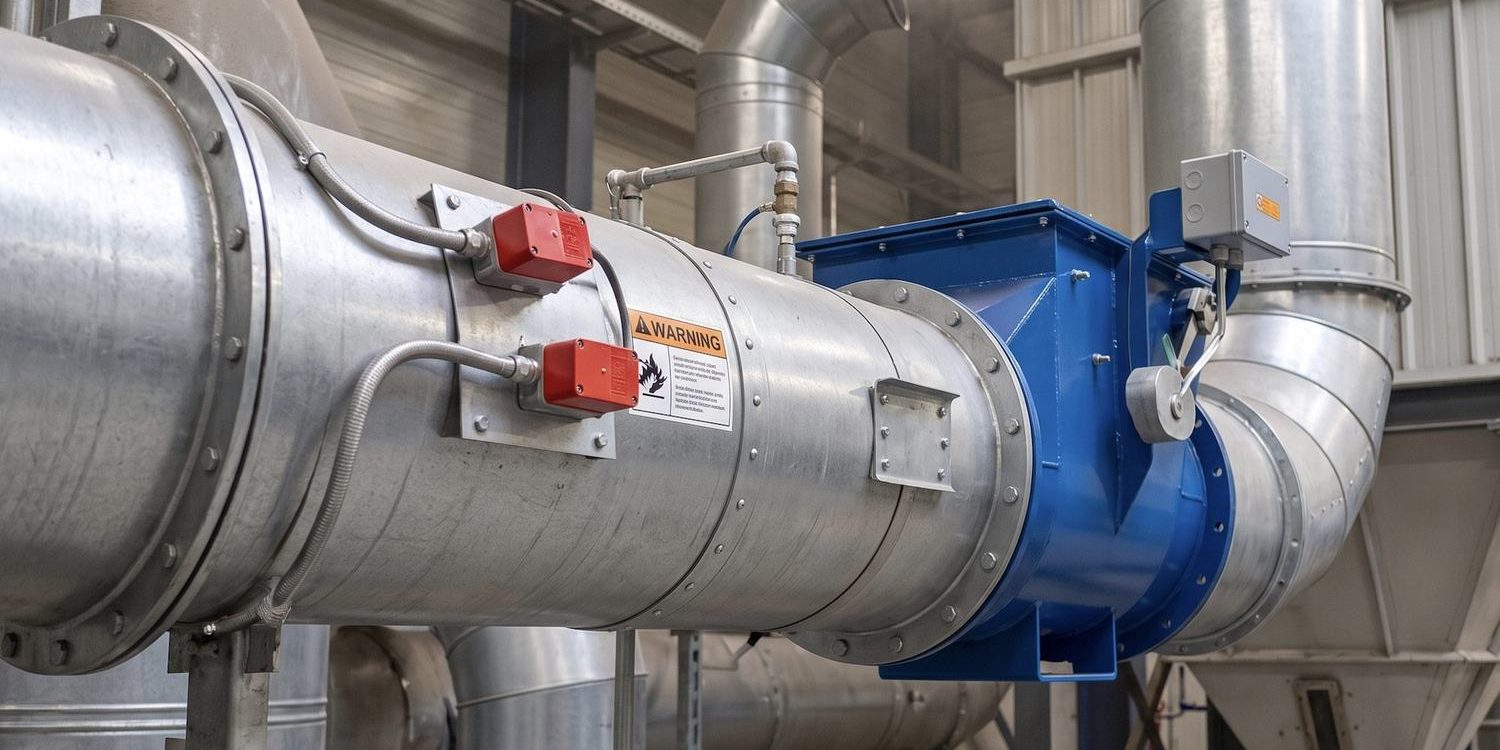
Explosion protection sized from the specific material. MDF, hardwood and softwood dusts have different KSt values.
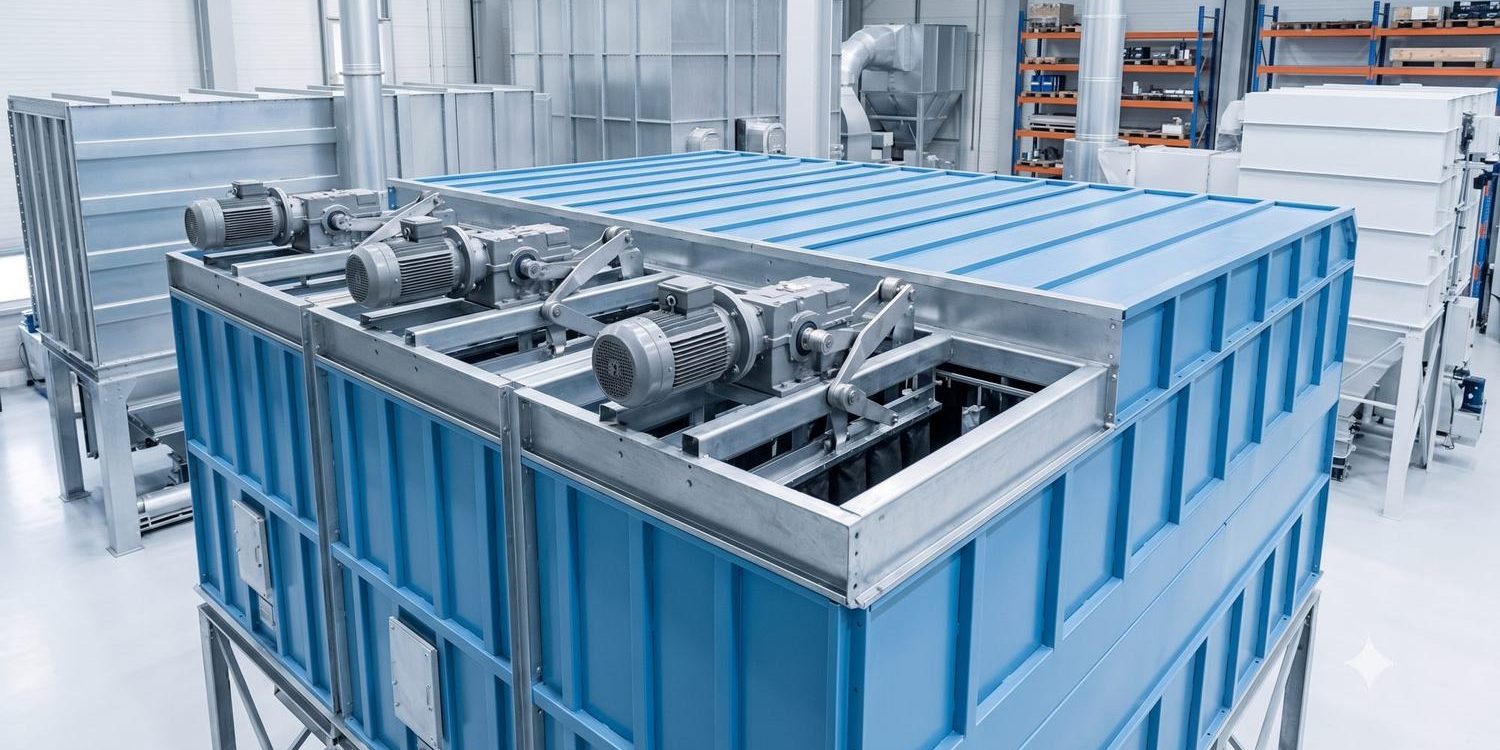
Shaker or pulse jet collectors depending on duty cycle — an intermittent shop does not need continuous pulse cleaning, and we will say so.
A single sanding station or a full panel line. The same design sequence applies — characterise the dust, measure the airflow, size for the heaviest fraction, protect for the most energetic.
See the collector technologies →Where This Applies
Cabinet and furniture manufacture, panel and MDF processing, sawmills, millwork, flooring production, and pallet and crate manufacture.
Related equipment
What we typically specify
Tell Us About the Application
Send us the process, the material and the constraint. We will tell you what we would specify — and if something simpler would serve you better, we will say so.