
Home / Industries / Foundry & Metal Casting
Industry
Dust Collection for Foundry and Metal Casting
EAF fume at 550°F continuous, abrasive sand systems, and combustible metal dust — three problems in one building, each with a different answer.
The Dust
Electric arc and induction furnace fume is fine, hot, and metallic — submicron at the fume end. Sand systems, shakeout and knockout produce a coarser, highly abrasive stream. Most foundries have both, and they are different problems inside the same building.
What Makes It Difficult
Temperature is the governing constraint. EAF fume arrives at 550°F continuous with excursions to 700°F. That eliminates most media immediately and sets the material specification for the housing, ducting and discharge.
Capture, not filtration, decides the outcome. Canopy hoods over the furnaces are the difference between a melt shop that clears and one that does not. A correctly sized collector fed by badly placed hoods still leaves visible fume in the building — and no collector upgrade fixes a capture problem.
Metal dust is combustible. Aluminium, magnesium and titanium dusts present severe explosion risk. Iron and steel fume is less energetic but not inert.
What We Specify
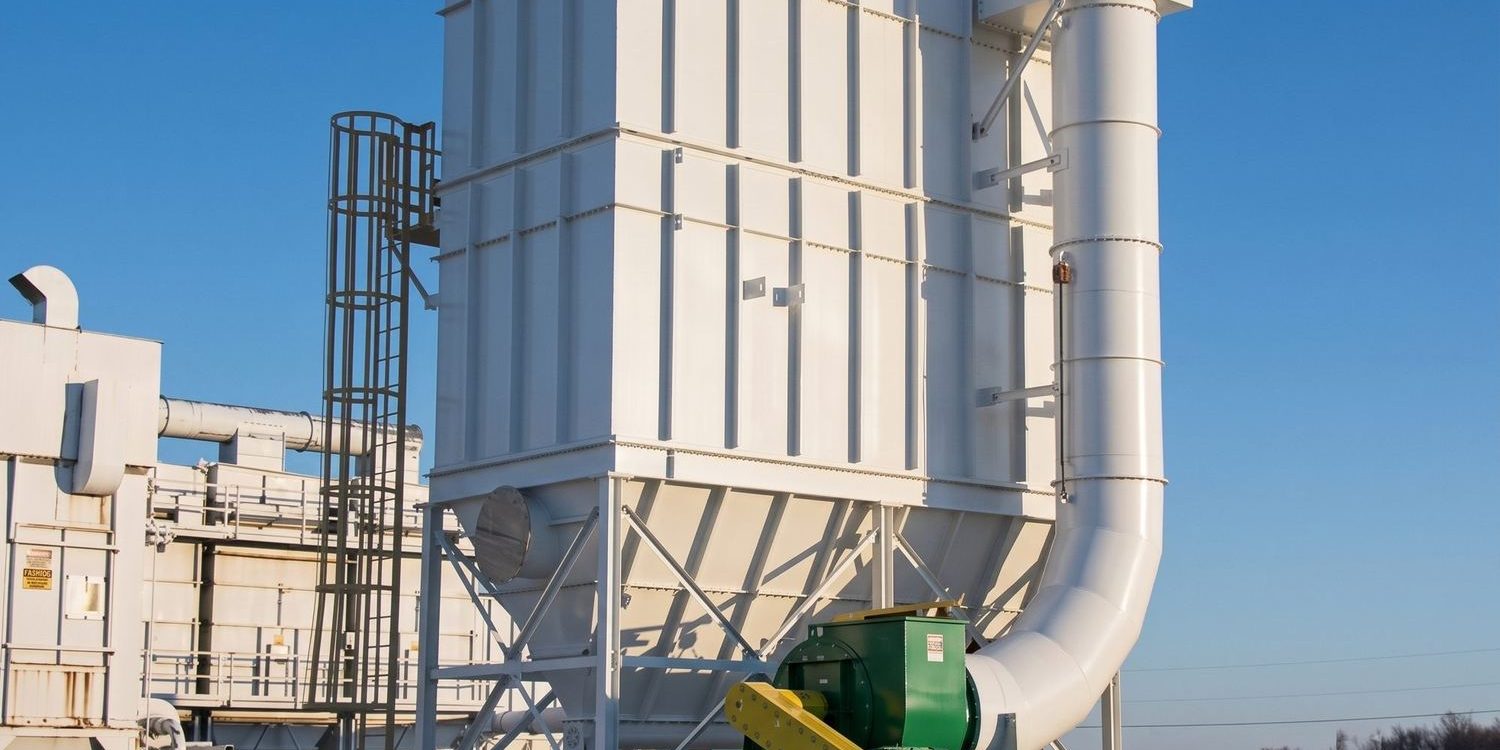
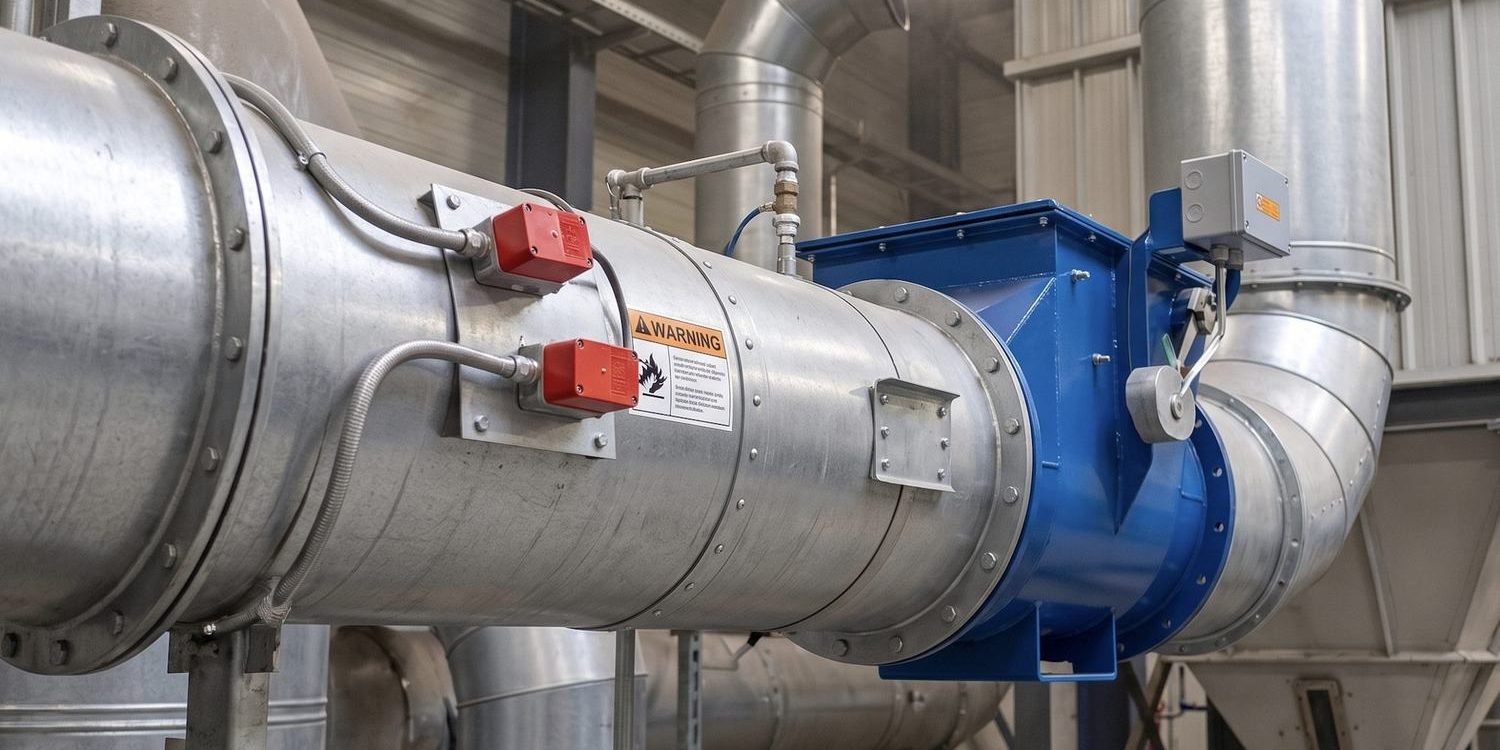
High-temperature pulse jet baghouses with fibreglass or P-84 media, sized against the excursion temperature rather than the continuous figure. Spark arrestance ahead of the collector where the process throws incandescent particulate.
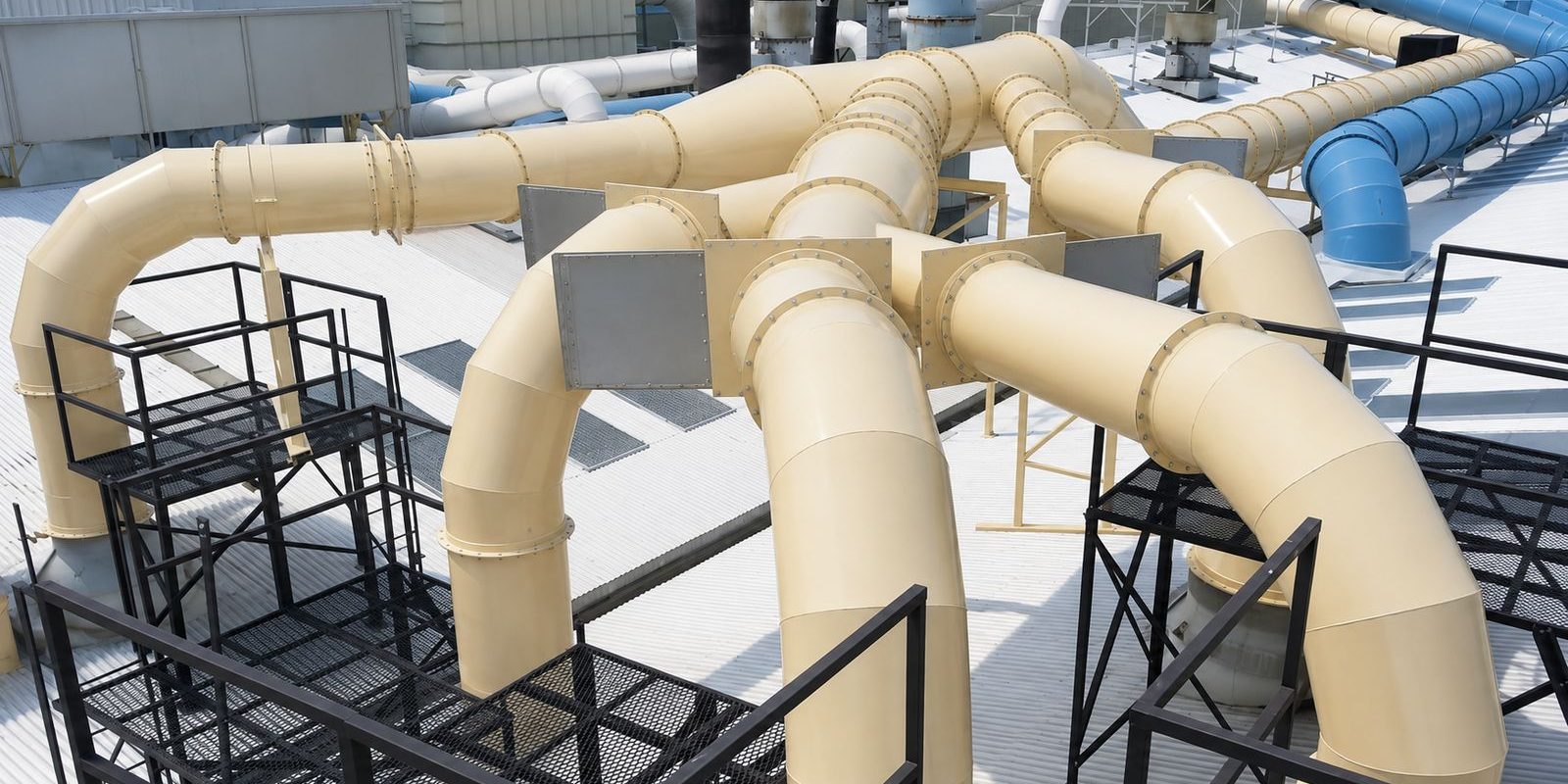
Canopy hood design is part of our scope, not an assumption we hand back to you. Hood placement, face velocity and duct takeoff are calculated for the furnace geometry and the crane clearance you actually have.
Where combustible metal dust is present, wet collection may be the correct answer and we will say so. A dry baghouse on magnesium dust is a serious hazard, and we would rather lose the order than supply one.
Two furnaces, canopy hood capture, 550°F continuous with 700°F excursion capability. Bag replacement frequency fell 25% and emissions held below 90% of limit at peak production.
Read the full case study →Regulatory Context
Foundry operations face OSHA silica exposure limits on the sand side and metal fume exposure limits on the melt side. NFPA 484 governs combustible metals specifically and is more restrictive than NFPA 652 — a distinction that catches operations which assume the general standard applies. A DHA is required.
Related equipment
What we typically specify here
Tell Us What You Process
Send us the material, the process and the constraint. We will tell you what we would specify.