
Home / Products / Pulse Cleaning / Bin Vent Filters
Pulse Jet Bin Vent Filters
Compact, equipment-mounted dust control for bins, silos, dryers, mixers, and conveyors — returning captured material straight back into your process.
Product overview
Dust Venting Without a Hopper, a Duct Run, or a Second Handling Step
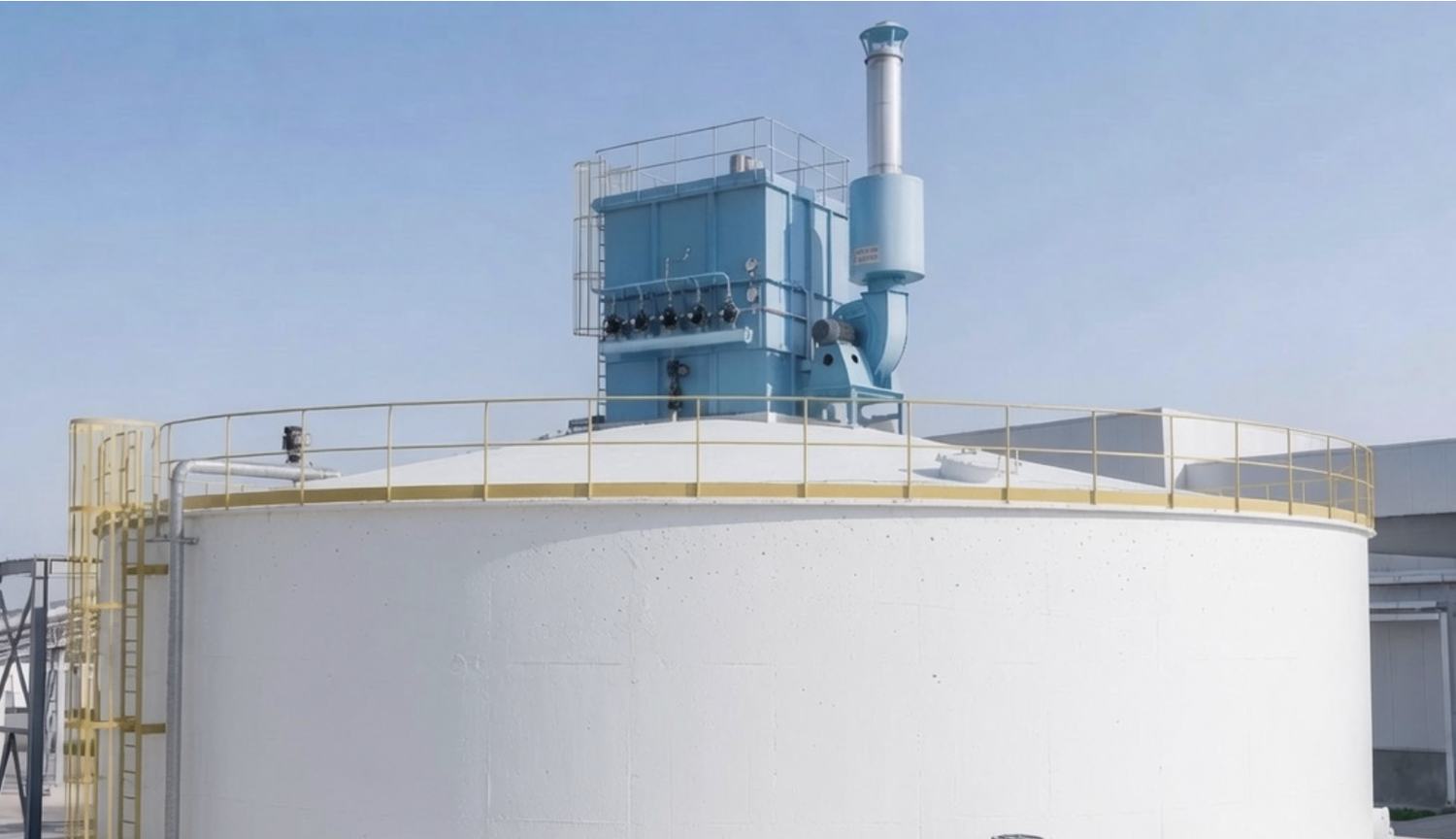
When a bin or silo is filled pneumatically, displaced air has to go somewhere — and it carries product with it. A bin vent filter mounts directly on top of the vessel, captures that dust as the air passes through, and pulses it straight back into the bin.
No hopper. No ductwork to a central collector. No material lost to a disposal bin, and no second collection point for someone to empty.
CPE Filter Systems bin vent filters are built for continuous duty on pneumatically filled bins and silos, and on process equipment including dryers, mixers, mechanical conveyors, and scale hoppers. Every unit ships fully assembled and is configured around your access constraints, headroom, and dust characteristics.
Not sure a bin vent is the right fit? If you need to collect from multiple pickup points, or the captured material can’t go back into the process, a baghouse or filter receiver is usually the better answer.
Key features
Configuration & Capability
BF Series
Hopper-less pulse jet baghouse mounted directly on top of the dust-generating vessel.
- Bottom bag removal as standard
- Traditional fabric bags with cages
- Dust returns directly to the bin
Insertable Models
Bag bottoms enter through the top of the bin, keeping overall installed height to a minimum.
- Designed for low-headroom conditions
- Compact overall height
- Same pulse cleaning performance
CBF Series
Side-access configuration using pleated bag cartridges, where working beneath the unit isn’t practical.
- Side removal filter access
- Greater media area in the same footprint
- Faster changeouts, less downtime
Exhaust & Fan Arrangements
Clean gas can vent naturally or be drawn through a fan, depending on system resistance.
- Bird screen and weather hood options
- Side or top mounted induced draft fans
- Configured to conveying system pressure
How It Works
The Process
STAGE 01
Displaced air enters
Air displaced during filling — or exhaust from process equipment — rises into the filter housing from the vessel below.
STAGE 02
Dust is captured
Particulate collects on the outside of the filter media while clean air passes through and exits the housing.
STAGE 03
Pulse cleaning
A timed blast of compressed air flexes the media and releases the accumulated dust cake, on interval or on differential pressure demand.
STAGE 04
Material returns to process
Released dust falls straight back into the bin or equipment below. Nothing is landfilled, and no separate collection point needs emptying.
Technical specifications
Specifications
Standard ranges — every unit configured to application
| Model range | 4 to 100 bags |
| Collector style | Hopper-less pulse jet baghouse |
| Mounting | Top-mounted on dust-generating equipment; insertable models available |
| Filter access | Bottom removal standard; side removal available (CBF) |
| Filter media | Traditional fabric bags with cages, or pleated bag cartridges |
| Cleaning method | Pulse jet, timer or differential-pressure initiated |
| Shipping | Fully assembled |
Compliance & safety
Engineered to the Standards You’re Audited Against
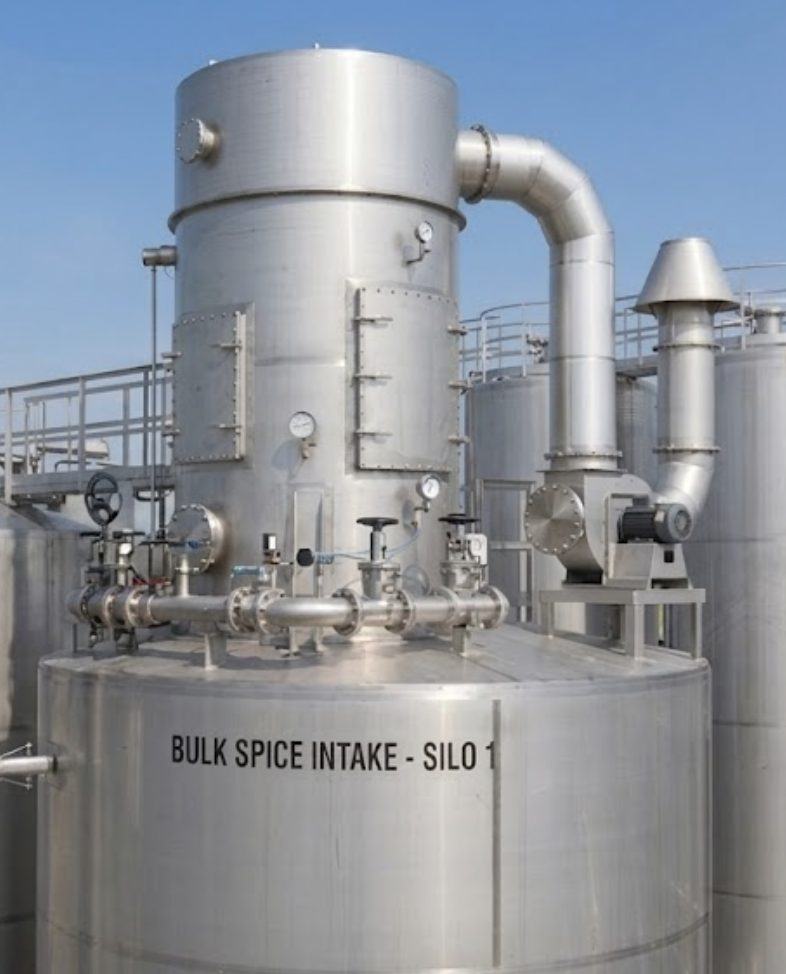
Where the dust is combustible, filtration efficiency is only half the design problem. We integrate deflagration venting, explosion isolation, spark detection, and grounding provisions specified against your Dust Hazard Analysis — not bolted on afterwards.
ATEXFM GLOBALMSHAUL / CSA
Industries
Where It Works
Recovery
Chemical
Powder and additive silos where product recovery and containment both matter.
Sanitary
Food Processing
Flour, sugar, starch, and dry ingredient bins requiring sanitary construction.
Process
Manufacturing
Mixers, dryers, and scale hoppers venting to atmosphere.
Ignition risk
Metal Processing
Fine metallic dusts with specific ignition and grounding requirements.
High volume
Aggregates
Cement, lime, and mineral silos filled pneumatically at high volume.
Static
Plastics
Resin and regrind silos with static control requirements.
Proof
In Service
Food Processing
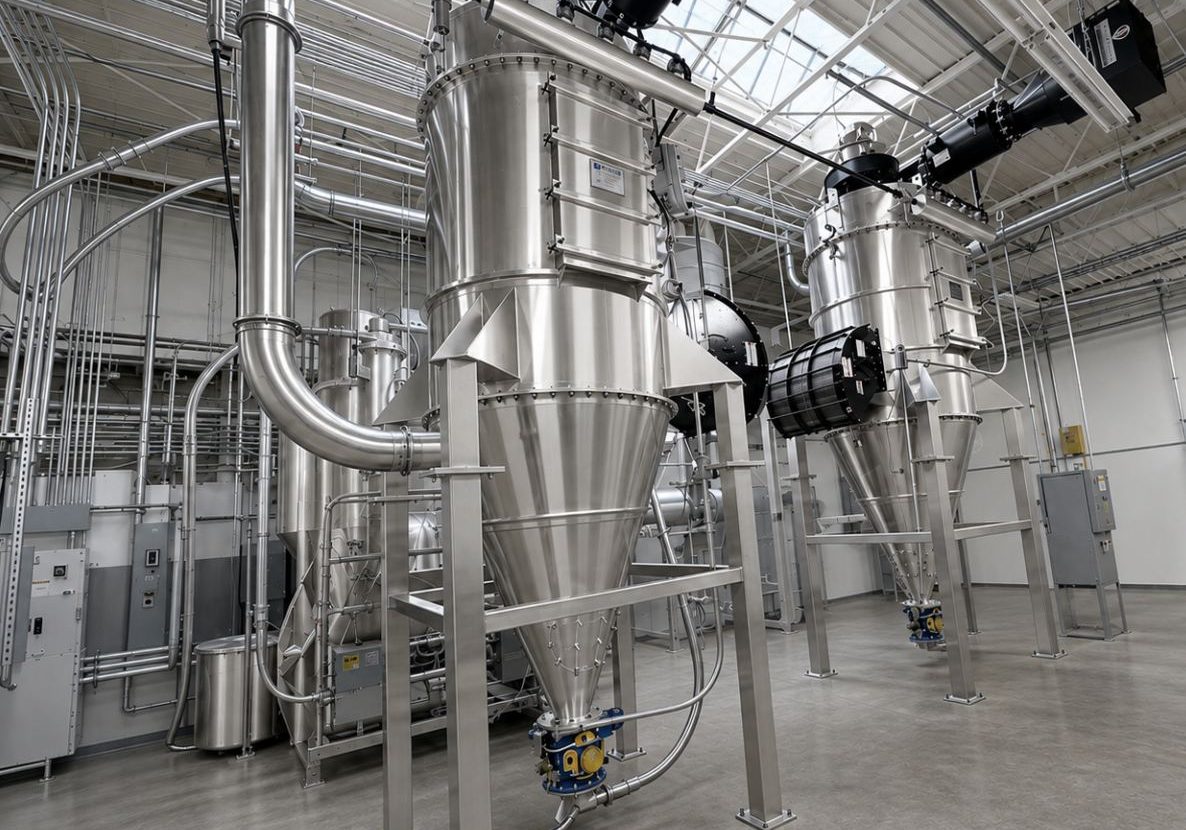
Sanitary stainless baghouse for combustible flour and sugar dust
Capture efficiency up 7%, DHA gaps closed
Common questions
FAQs
Where are bin vent filters installed?
On top of pneumatically filled bins and silos, and on dust-generating process equipment such as dryers, mixers, mechanical conveyors, and scale hoppers.
What’s the difference between a bin vent and a dust collector?
A bin vent handles air displaced from a single vessel and returns the captured dust into that same vessel. A dust collector serves multiple pickup points through ductwork and discharges collected material to a separate hopper. If your dust needs to go back into the process, a bin vent removes a handling step.
Which filter media should I use?
Traditional fabric bags with cages suit most general applications. Pleated bag cartridges pack more media into the same housing, which helps when airflow is high relative to available space or when changeout time is a concern.
Can bin vents be installed with limited headroom?
Yes. Insertable models let the bag bottoms enter through the top of the bin, reducing overall installed height.
Do bin vents work on combustible dust?
They can, with the correct protection — explosion venting, isolation, and grounding specified against your dust hazard analysis.
How do I size a bin vent for my silo?
Sizing follows the conveying air volume into the vessel plus displacement, and the air-to-cloth ratio appropriate to your dust. Send us your fill rate, dust type, and vessel dimensions and we’ll size it.
Tell Us About Your Application
Send us your airflow, dust type, temperature, and plant constraints. Our engineers will size and configure a system for your process — and tell you plainly if something else would serve you better.