
Home / Applications / Transfer Points
Application
Dust Collection for Conveyor Transfer Points
Induced air is the problem, not the dust. Control it at the chute and the collector gets smaller, cheaper, and quieter.
The Problem
Every point where material changes direction or drops generates dust. The falling stream drags air with it — induced air — and that air carries particulate out of the enclosure. Most plants have dozens of these points and treat them as a housekeeping problem rather than a collection problem.
Why It Gets Misdiagnosed
The instinct is to add extraction where dust is visible. That treats the symptom and produces an oversized system.
The correct sequence is to control induced air first. Reduce the drop height, seal the enclosure, fit skirting that actually contacts the belt — and the extraction volume required falls sharply. A collector sized against uncontrolled induced air can be several times larger than necessary, and you pay for that in fan power every hour it runs.
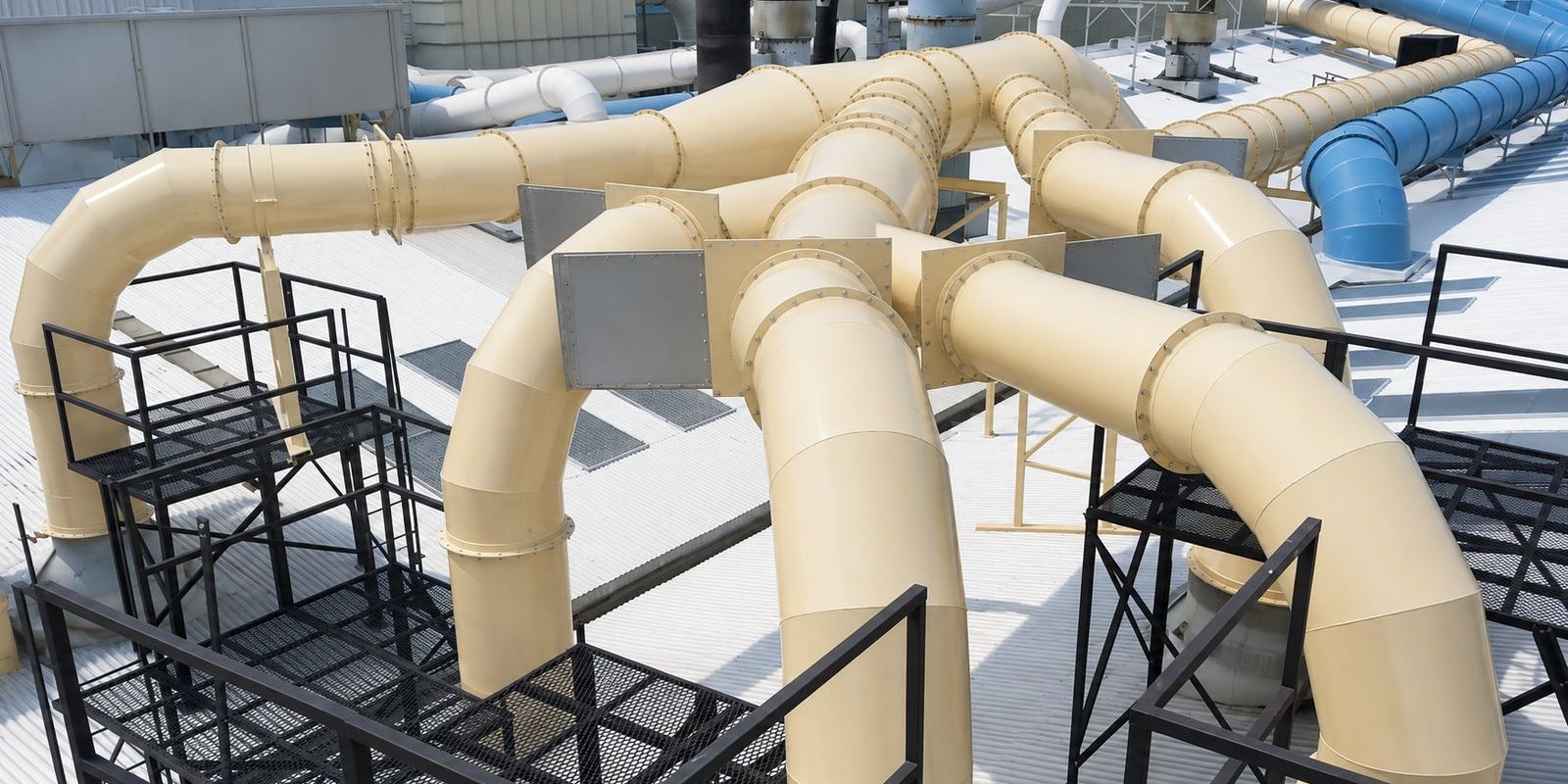
The second common error is treating each point in isolation. Twenty small units cost more to own than one correctly ducted central system, and each one is a separate maintenance regime.
What We Specify
Enclosure and skirting design before extraction sizing. Where the enclosure is right, the collector gets smaller and cheaper to run.
Sizing based on measured induced air volume, calculated from drop height, material density and belt speed — not from a rule of thumb per point.
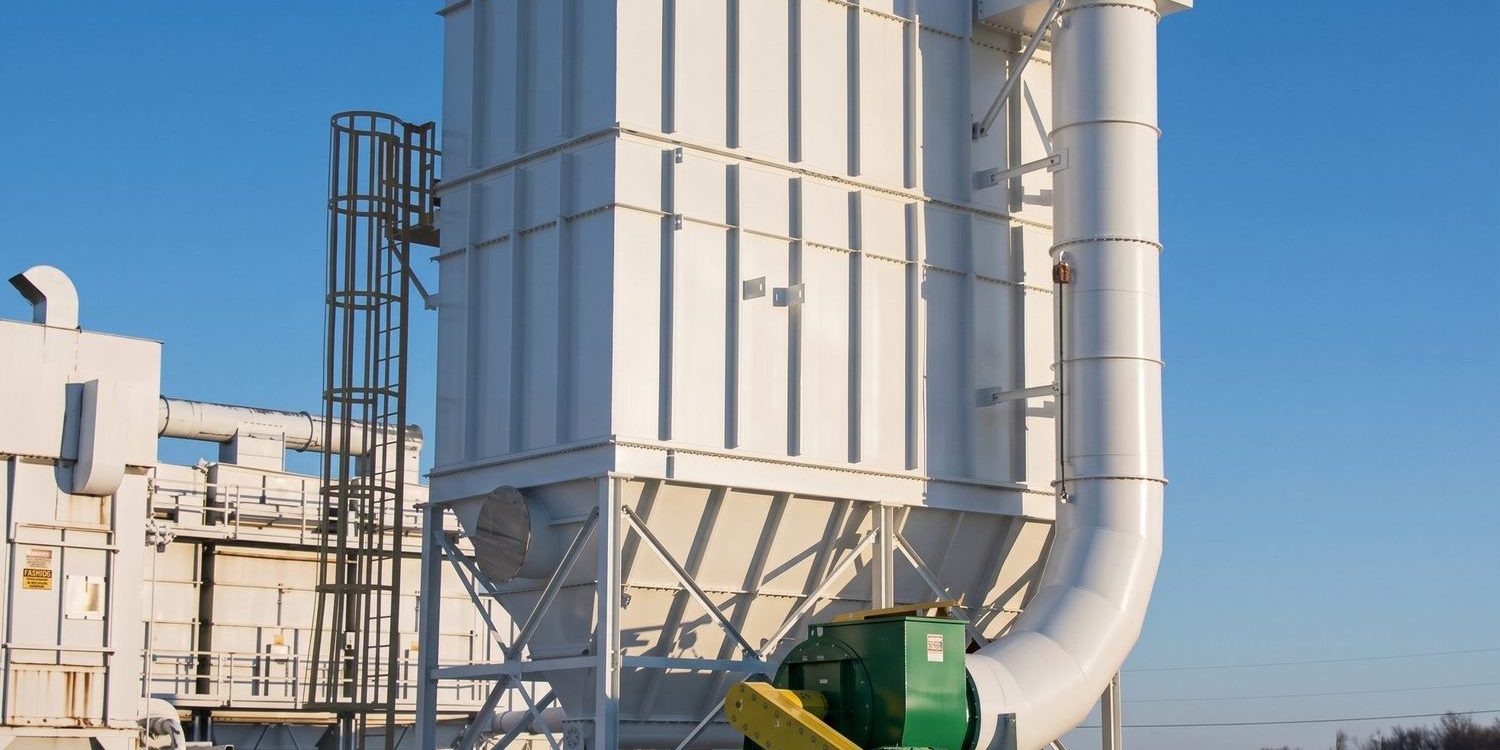
Bin vents where a point is isolated, central collection where points are clustered. The decision is economic and we will show the arithmetic.
Return-to-process discharge wherever the captured material has value, which in aggregate and grain handling it usually does.
Transfer points and shredder discharge were the source of most complaint-generating dust, not the stack. Hood placement and enclosure design at those points cut fugitive emissions by three quarters.
Read the full case study →Range
From 400 CFM on a single transfer point to plant-wide systems at 200,000 CFM. The design sequence is the same at both ends.
Related equipment
What we typically specify

Tell Us About the Application
Send us the process, the material and the constraint. We will tell you what we would specify — and if something simpler would serve you better, we will say so.