
What it involves
Measurement Before Opinion
Most underperforming dust collection systems are diagnosed by guesswork — a collector gets blamed when the real problem is duct velocity, or a bag supplier gets changed when the real problem is air-to-cloth ratio.
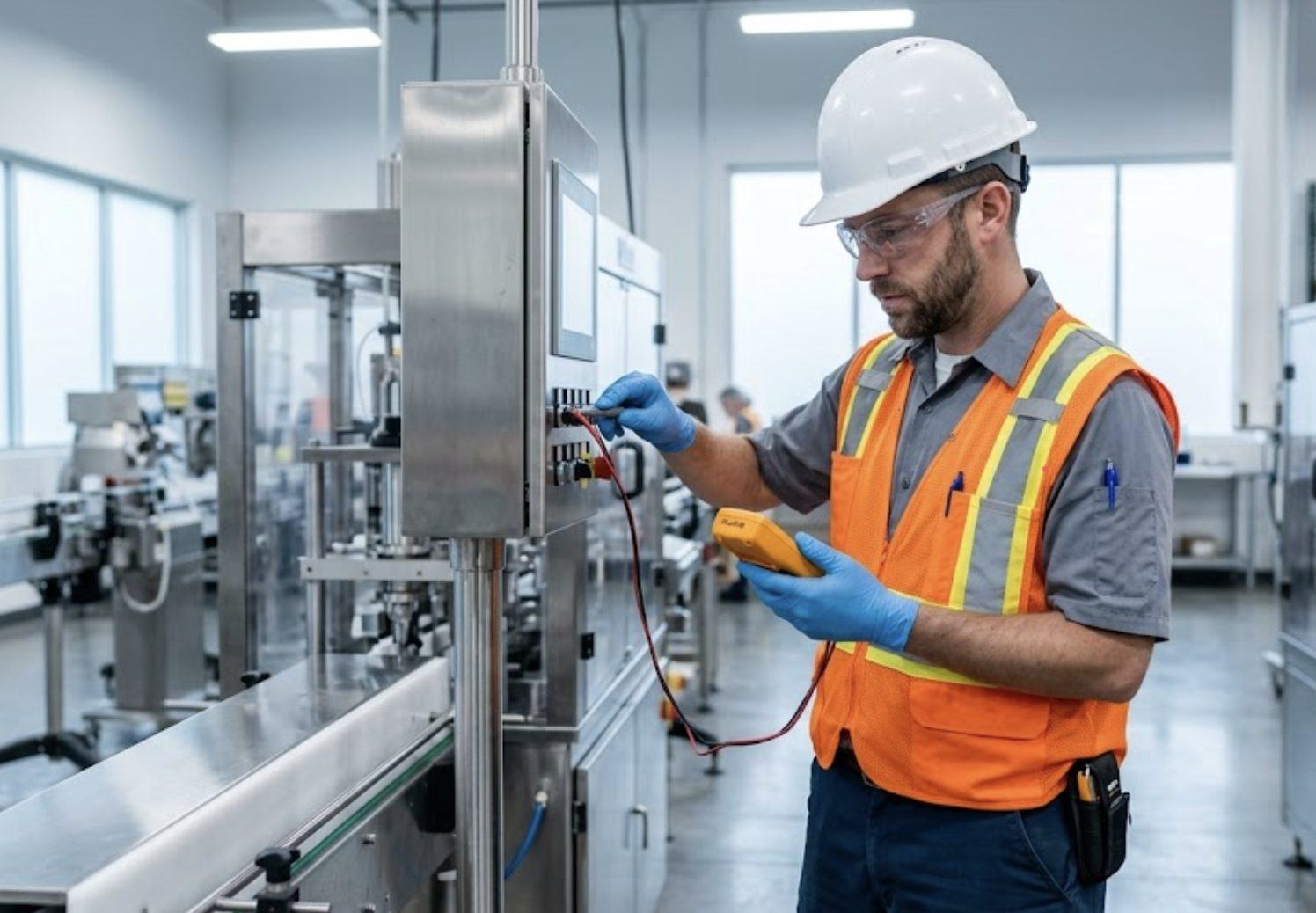
A site assessment replaces that with data. We measure the airflow, sample and characterise the dust, profile temperatures across the operating cycle, inspect the duct network, and review your operating and maintenance records. Then we tell you what we found, including when the answer is that your system is fine and the problem lies elsewhere.
Considering new equipment? An assessment first often changes the specification substantially — and occasionally shows that a rebuild will do the job for far less.
The Process
How an Assessment Runs
STAGE 01
Scope and access
We agree what we’re looking at, arrange plant access and safety induction, and identify the operating conditions we need to observe.
STAGE 02
On-site measurement
Airflow and static pressure at pickup points and across the collector, temperature profiling, dust sampling, and physical inspection of housing, media, and duct.
STAGE 03
Analysis
Laboratory characterisation of the dust where required — particle size, bulk density, abrasiveness, moisture, and explosibility indicators.
STAGE 04
Findings and options
A written report with what we measured, what it means, and the realistic options ranked by cost and effect. Including doing nothing, where that’s the honest answer.
When to call
Signals Worth Investigating
Rising differential pressure
If ΔP climbs steadily between changeouts and never returns to baseline after cleaning, something is blinding the media or the cleaning system is not doing its job.
Short bag life
Media failing well before its expected life is almost always a design or operating symptom rather than a defect. Worth diagnosing rather than absorbing.
Poor capture at one location
Usually a duct balance problem rather than a collector capacity problem. Measurable, and often inexpensive to fix.
Emissions creeping toward the limit
Better to find out why with margin still in hand than after a notice of violation.
Before a capital request
Data makes a stronger internal case than a vendor quotation, and occasionally shows that a smaller intervention will do.
After a DHA
If your Dust Hazard Analysis identified gaps, an assessment establishes what retrofit is actually feasible on the existing equipment.
Proof in service
Where this has been done
Cement & Aggregates
Measurement Before Opinion
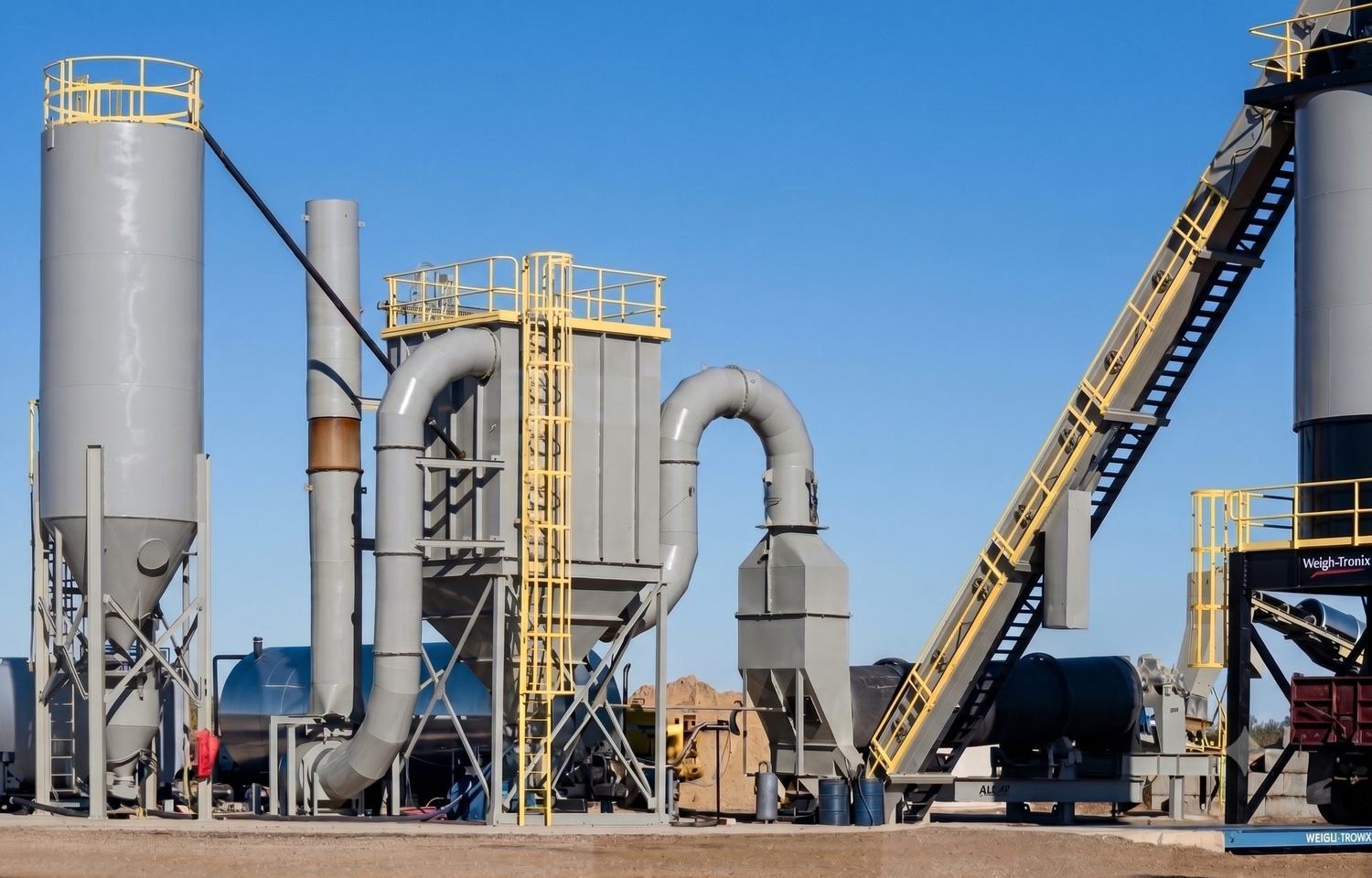
Characterisation showed the ratio was wrong, not the collector. Bag life rose 55% without replacing the housing.
Tell Us About Your Application
Send us your airflow, dust type, temperature, and plant constraints. Our engineers will size and configure a system for your process — and tell you plainly if something else would serve you better.