
Home / Products / Pulse Cleaning / Baghouse Dust Collectors
Industrial Baghouse Dust Collectors
Custom-engineered pulse jet baghouses built for high dust loads, elevated temperatures, and abrasive particulate — designed around your process, not adapted from a catalogue.
Product overview
What Separates One Baghouse Dust Collector From Another
Built to the application in sizes to 200,000 CFM. A pulse jet baghouse is the most widely specified industrial dust collector for a reason: it cleans on-line, handles heavy dust loading without falling off performance, and holds efficiency through the duty cycle in a way that shaker and reverse-air designs cannot.
What separates one baghouse from another is the engineering behind it. CPE Filter Systems starts every project with dust characterisation and gas flow analysis, then designs the collector around what we find — air-to-cloth ratio, media selection, inlet geometry, and cleaning parameters all set by your dust, your temperature, and your plant layout.
That work is why our collectors hold their differential pressure and their filter life in service where an off-the-shelf unit would not.
Not sure a baghouse is the right fit? Where dust is finer and floor space is short, a cartridge collector packs more media into a smaller footprint.
Compare the technologies →
Key features
Built for Sustained
Industrial Service
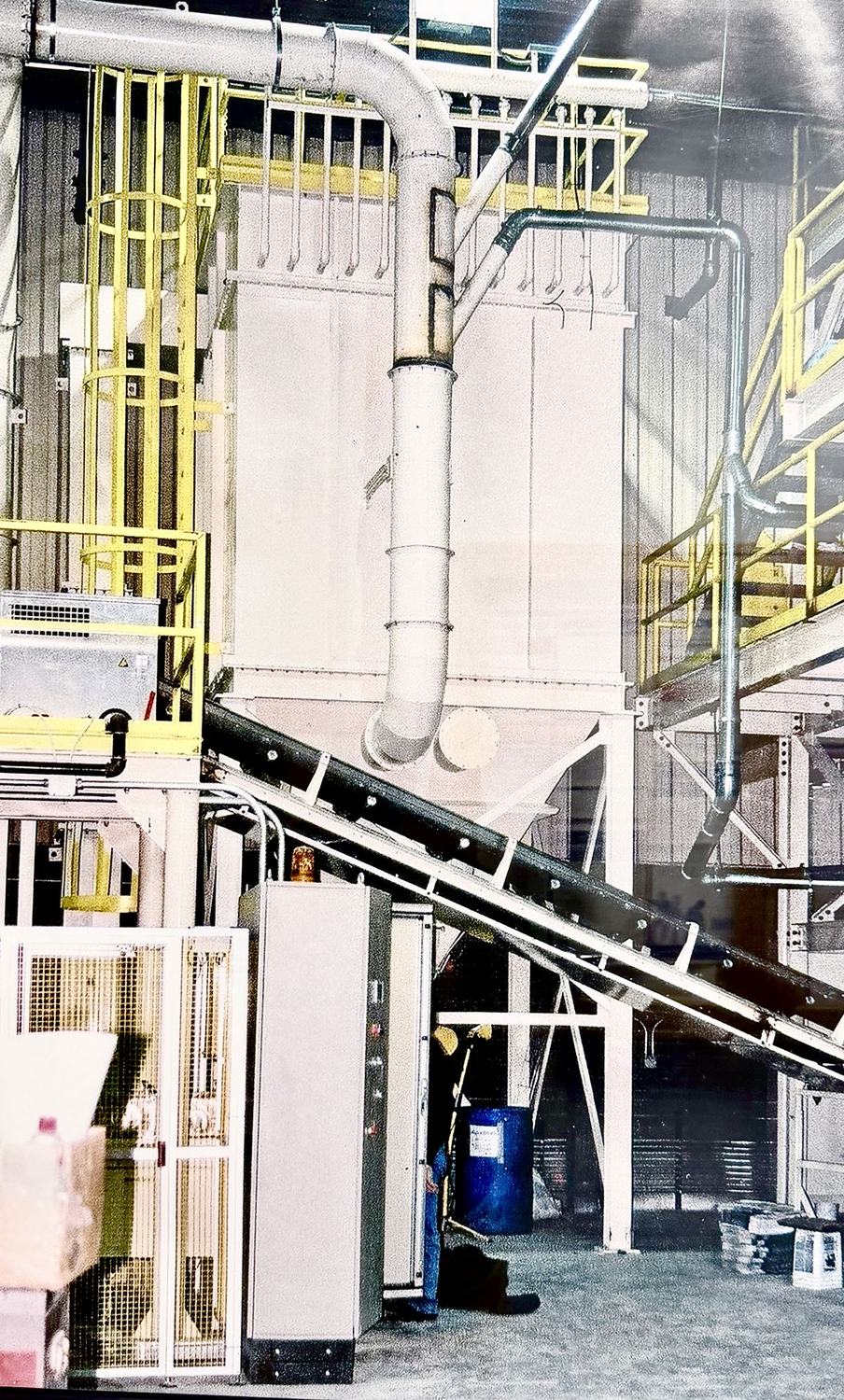
Heavy-Duty Construction
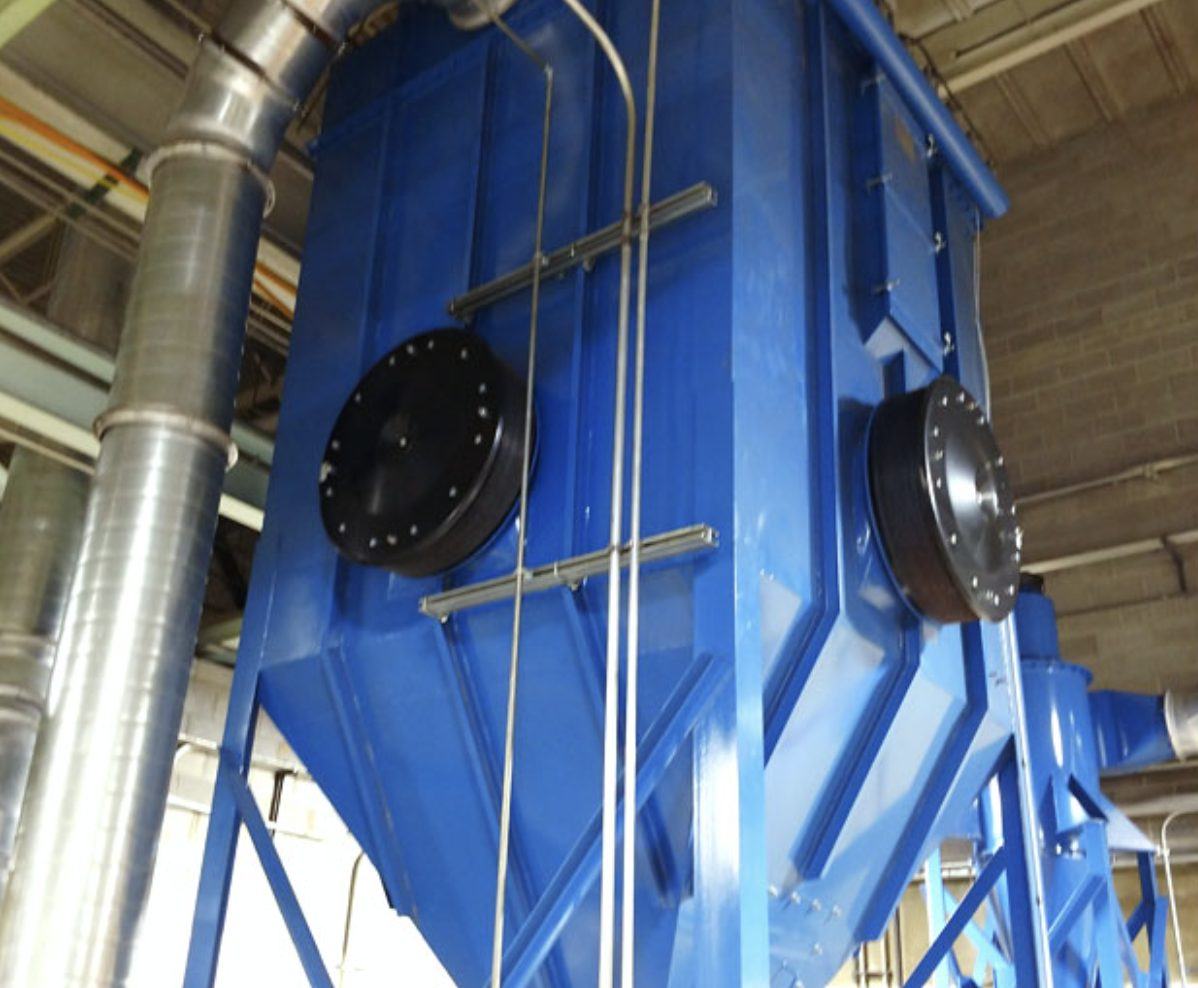
Robust steel housing with properly welded stiffeners, designed for sustained industrial service rather than minimum-gauge economy.
- Corrosion allowance specified to your process
- High-temperature insulation where required
- Structural design rated for full dust load
Custom Engineering
Air-to-cloth ratio, media, inlet design, and hopper geometry are all set by your process conditions — not selected from a size chart.
- Dust characterisation and particle size analysis
- Conservative sizing for high dust loading
- Inlet baffles to protect bags from abrasive impingement
Optimised Pulse Cleaning
Low-pressure, high-efficiency pulse jet cleaning that releases the dust cake cleanly while consuming less compressed air.
- Timer or differential-pressure initiated
- Reduced compressed air demand
- Extended media life through gentler cleaning
Maintenance Access
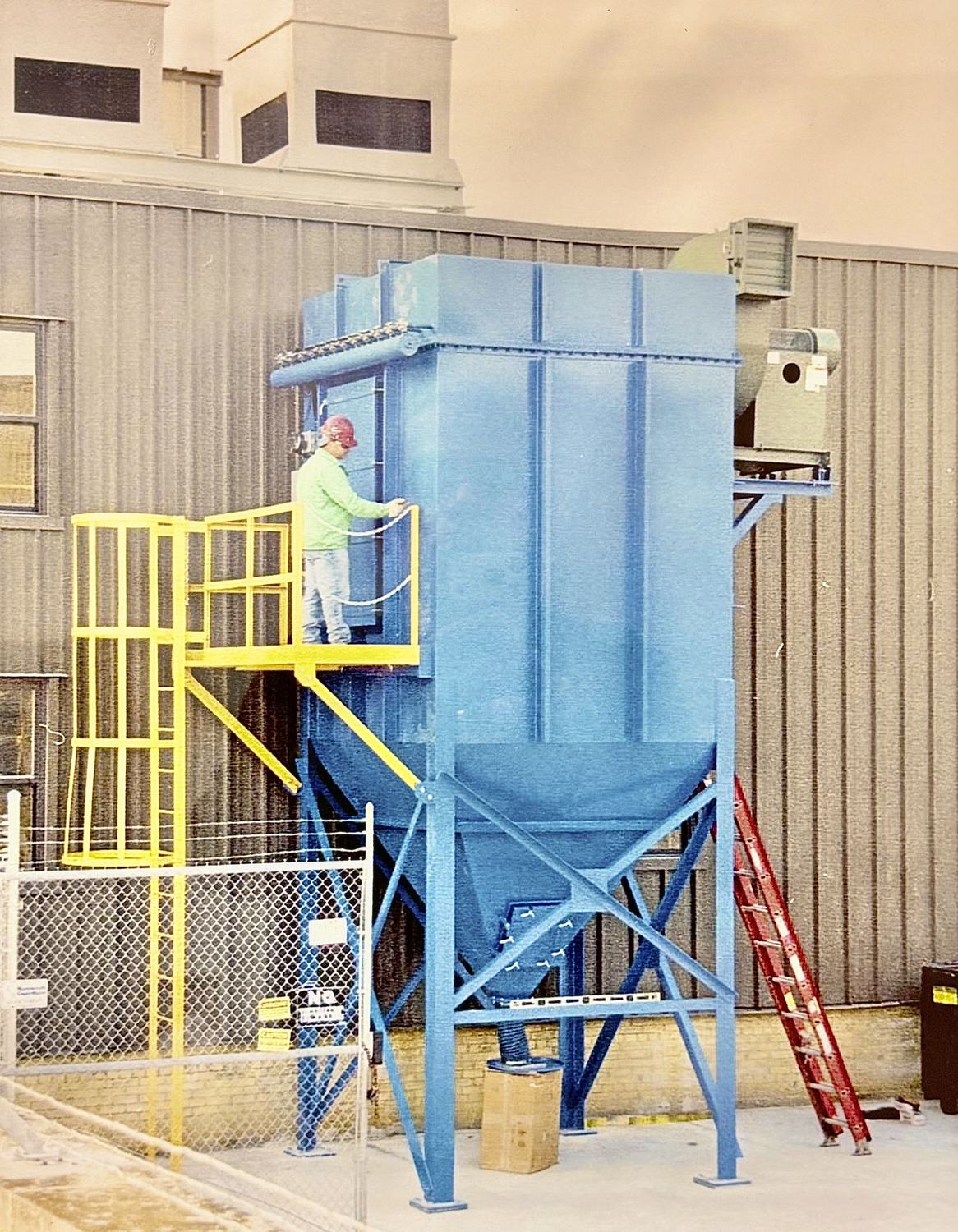
Walk-in clean air plenum and platform design that makes routine work safe and quick rather than a confined-space job.
- Full walk-in plenum available
- Access platforms and safety interlocks
- Snap-band or clamp bag attachment options
How It Works
Four Stages, Continuously
STAGE 01
Dust-laden air enters
Process air enters through an engineered inlet with distribution baffles that slow the gas stream and protect the bags from direct abrasive impingement.
STAGE 02
Particulate collects
Dust builds as a cake on the outside of the filter bags. Clean gas passes through the media into the plenum above and exits the collector.
STAGE 03
Pulse cleaning
A short blast of compressed air flexes each bag and releases the accumulated dust, on a timed interval or when differential pressure reaches setpoint.
STAGE 04
Material discharges
Released dust falls into the hopper and discharges through a rotary airlock — to a container, screw conveyor, or back into the process.
Technical specifications
Four Stages, Continuously
| Air-to-cloth ratio | 3.5:1 to 4.0:1, set by application |
| Design temperature | To 550°F continuous |
| Housing construction | Heavy-gauge carbon steel; 304 / 316L available |
| Filter media | Polyester, PPS, aramid, fibreglass; PTFE membrane |
| Bag attachment | Snap-band or clamp |
| Cleaning system | Low-pressure pulse jet, timer or ΔP initiated |
| Access | Walk-in clean air plenum; platforms to suit |
| Discharge | Rotary airlock, screw conveyor, or drum |
| Explosion protection | Venting, isolation, spark detection — per DHA |
Compliance & safety
Engineered to the Standards You’re Audited Against
Where the dust is combustible, filtration efficiency is only half the design problem. CPE Filter Systems integrates deflagration venting, explosion isolation, spark detection, and grounding provisions specified against your Dust Hazard Analysis — not bolted on afterwards.
ATEXFM GLOBALMSHAUL / CSA
Why specify CPEF
Six Reasons Engineers
Come Back
Application engineering first
Dust characterisation, gas flow measurement, and process review before a single drawing is issued.
Conservative sizing
Air-to-cloth ratios set for filter life, not lowest quoted price. It costs more up front and less over ten years.
Full lifecycle support
Engineering, fabrication, installation supervision, commissioning, training, and parts from one supplier.
Combustible dust competence
Explosion protection designed against your DHA, with the documentation your insurer will ask for.
Rebuild and retrofit
Where replacement isn’t warranted, we re-core and rebuild — often at a fraction of new equipment cost.
Decades of application depth
A team that has spent careers on dust collection specifically, not on general air handling.
Proof
Baghouses in Service
Cement & Aggregates
92,000 ACFM baghouse for a kiln running at the edge of its permit
Bag life 11 → 17 months, maintenance hours halved
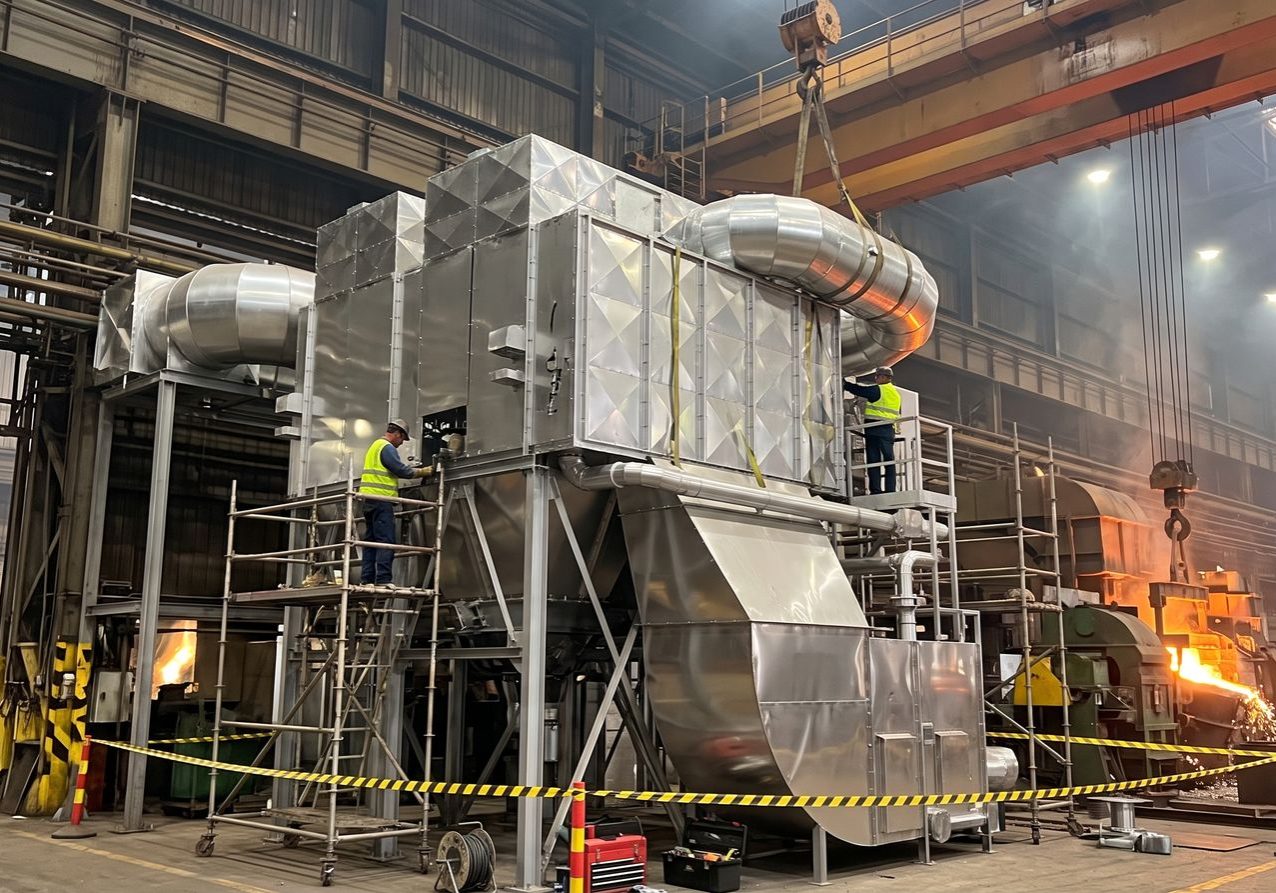
Foundry
135,000 ACFM of EAF fume capture, and a melt shop that cleared
Bag replacement frequency down 25%
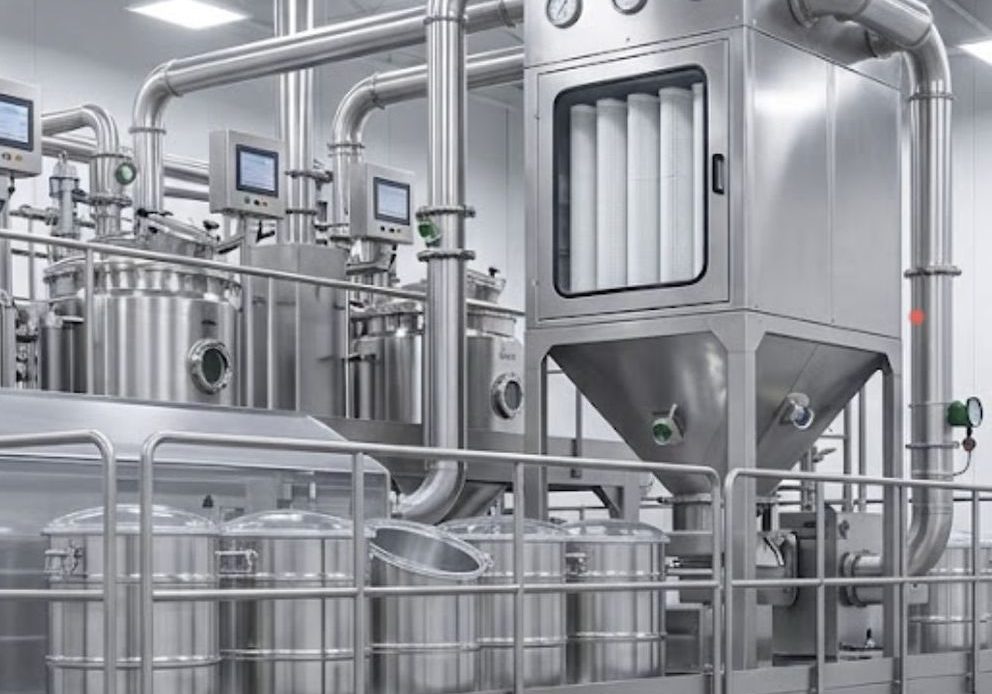
Chemical
316L collector for corrosive, combustible chemical dust
Bag life +50%, capture efficiency 14%
Proof
Baghouse FAQs
How is a baghouse different from a cartridge collector?
Baghouses use fabric bags with cages and handle heavier dust loading and higher temperatures. Cartridge collectors pack more media into a smaller footprint and suit finer, lighter dusts in space-constrained plants. Where dust loading is high or gas is hot, a baghouse is usually the right choice.
What air-to-cloth ratio should my collector use?
It depends on the dust — particle size, cohesiveness, loading, and how readily it releases from the media. Ratios between 3.5:1 and 4.0:1 are common in heavy industrial service. A lower ratio costs more in filter area and returns it in bag life and stable differential pressure.
How long should filter bags last?
Anywhere from one to five years, depending on abrasion, temperature, chemical attack, and how well the collector is sized and cleaned. Short bag life is nearly always a design or operating symptom rather than a media defect, and it’s worth diagnosing rather than absorbing.
Can you rebuild our existing baghouse?
Proof in service
Where this has been done
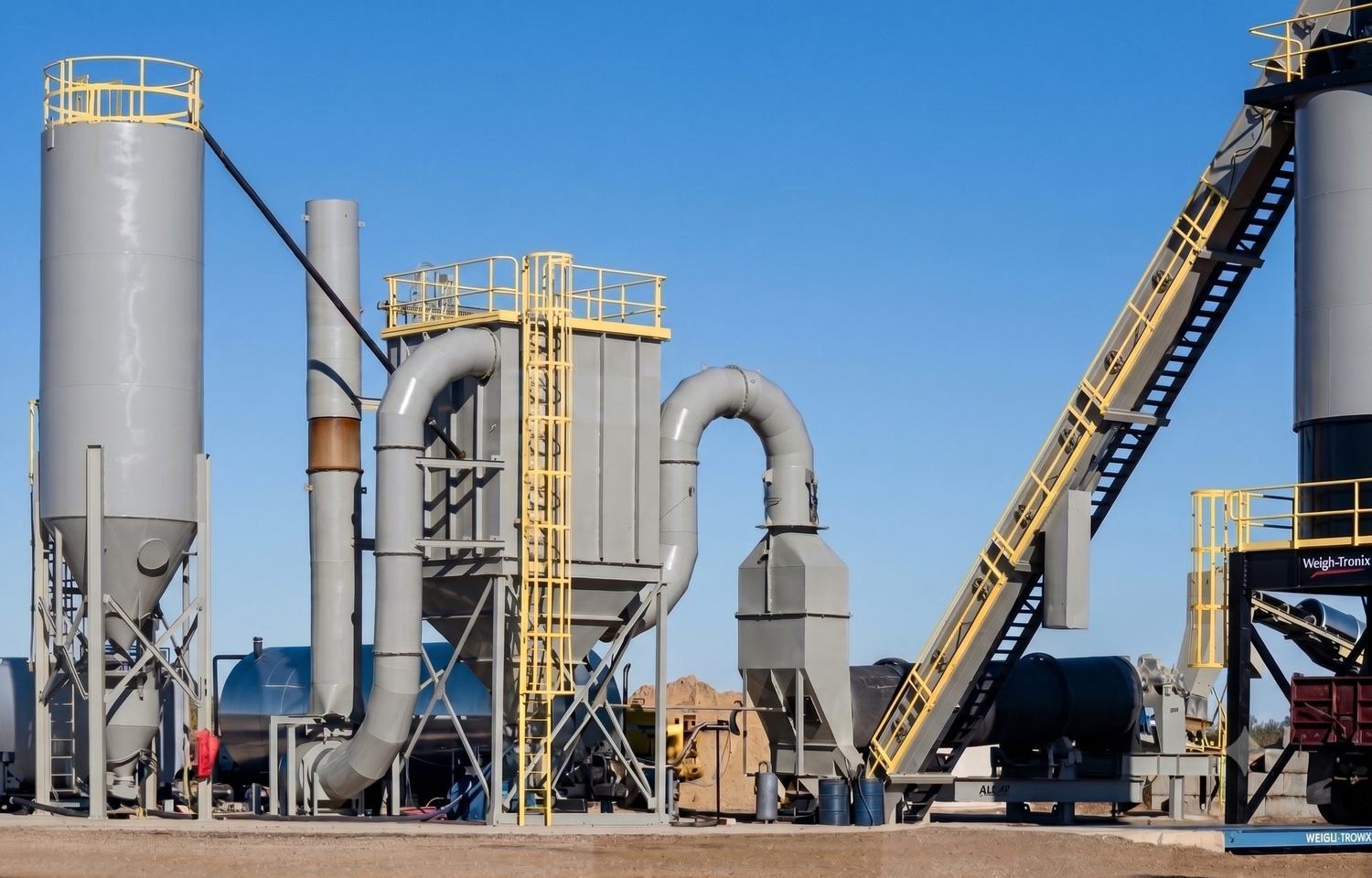
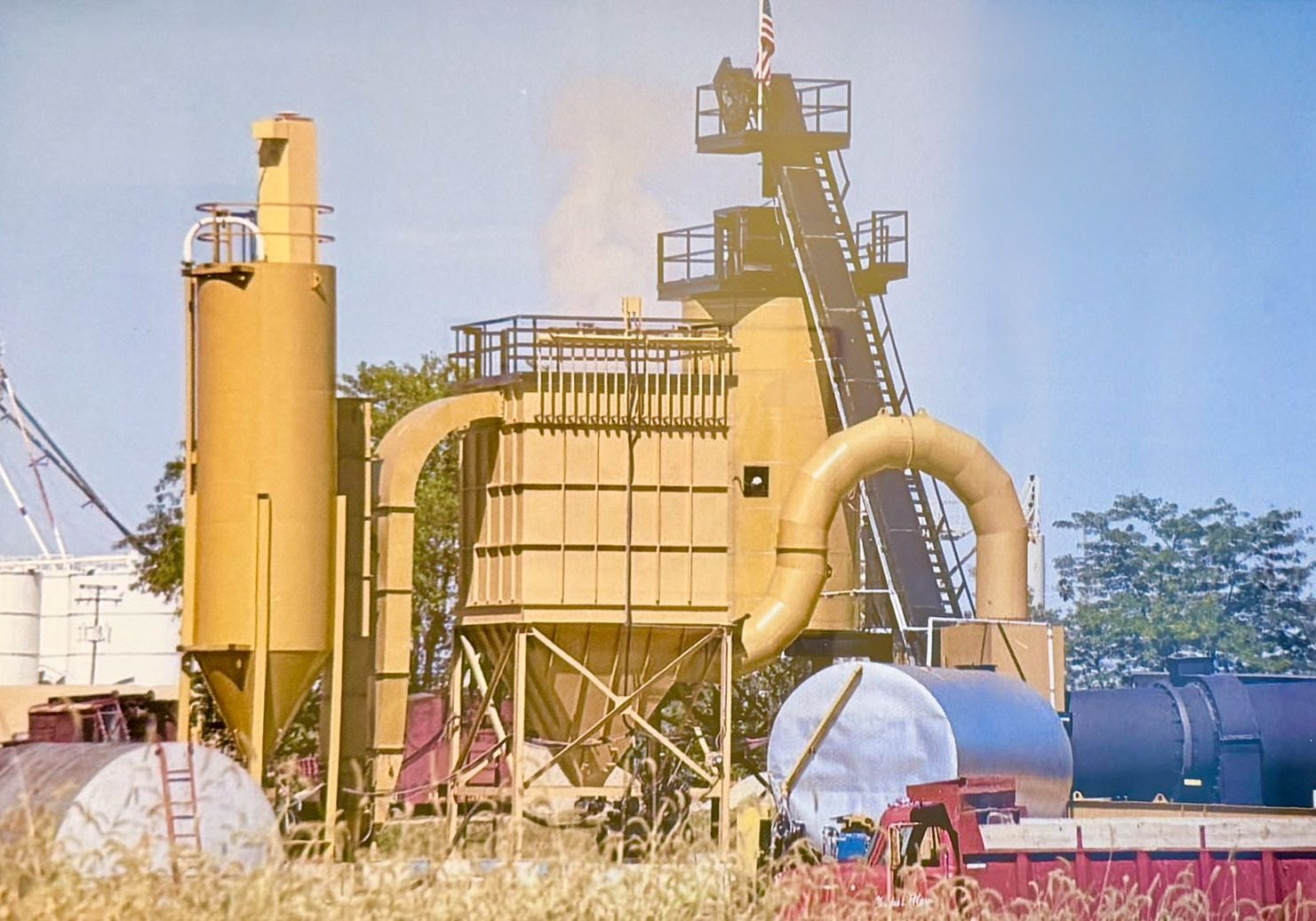
Cement & Aggregates
92,000 ACFM Baghouse for a Kiln at the Edge of Its Permit
A/C ratio pulled from 4.5:1 to 3.8:1 with PTFE-membrane bags. Bag life 11 → 17 months, maintenance hours halved.
Tell Us About Your Application
Send us your airflow, dust type, temperature, and plant constraints. Our engineers will size a system for your process — and tell you plainly if something else would serve you better.