
Home / Capabilities / Pleated Bag Experts
Pleated Filter Bag Experts
More media area in the same tubesheet — when your dust suits it, and a straight answer when it doesn’t.
The capability
When Pleated Media Helps — and When It Doesn’t
Pleated filter bags retrofit into an existing baghouse tubesheet and deliver substantially more media area in the same space. In the right application that means lower air-to-cloth ratio, lower differential pressure, longer life, and sometimes the ability to increase airflow without a bigger collector.
In the wrong application it means a more expensive consumable that blinds faster than the bags it replaced. Sticky dust, heavy loading, and high moisture all favour conventional bags with cages.
We have spent enough years on both sides of this to give a straight answer rather than a sales one — including recommending against pleated media when your dust is wrong for it.
Considering a pleated retrofit? Send us your dust characteristics, current bag life, and differential pressure trend. That is usually enough for an initial view.
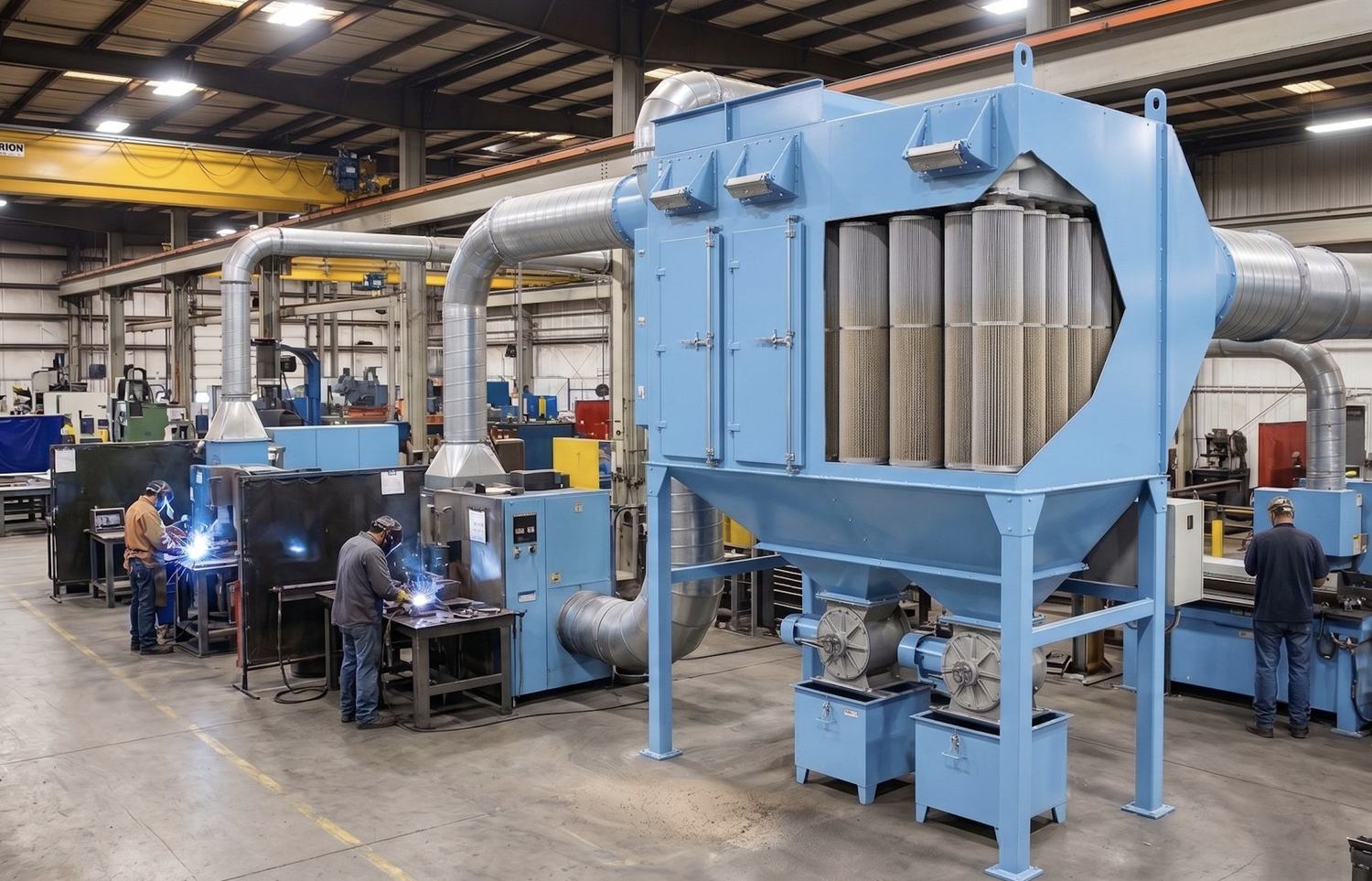
Assessment
Good and Poor Candidates
Good: dry, free-flowing dust
Fine dry particulate that releases cleanly from media is where pleated elements perform best.
Good: airflow increase needed
Where production has grown and the collector is now marginal, pleated media can add capacity without a new housing.
Good: high ΔP on a correctly sized unit
More media area directly lowers air-to-cloth ratio and the pressure drop that comes with it.
Poor: sticky or hygroscopic dust
Material that adheres will bridge between pleats, and the extra area becomes unavailable.
Poor: heavy loading
High dust concentration fills the pleat geometry faster than pulse cleaning can clear it.
Poor: abrasive particulate
Abrasion wears pleated media faster than it wears conventional bags.
Proof in service
Where this has been done
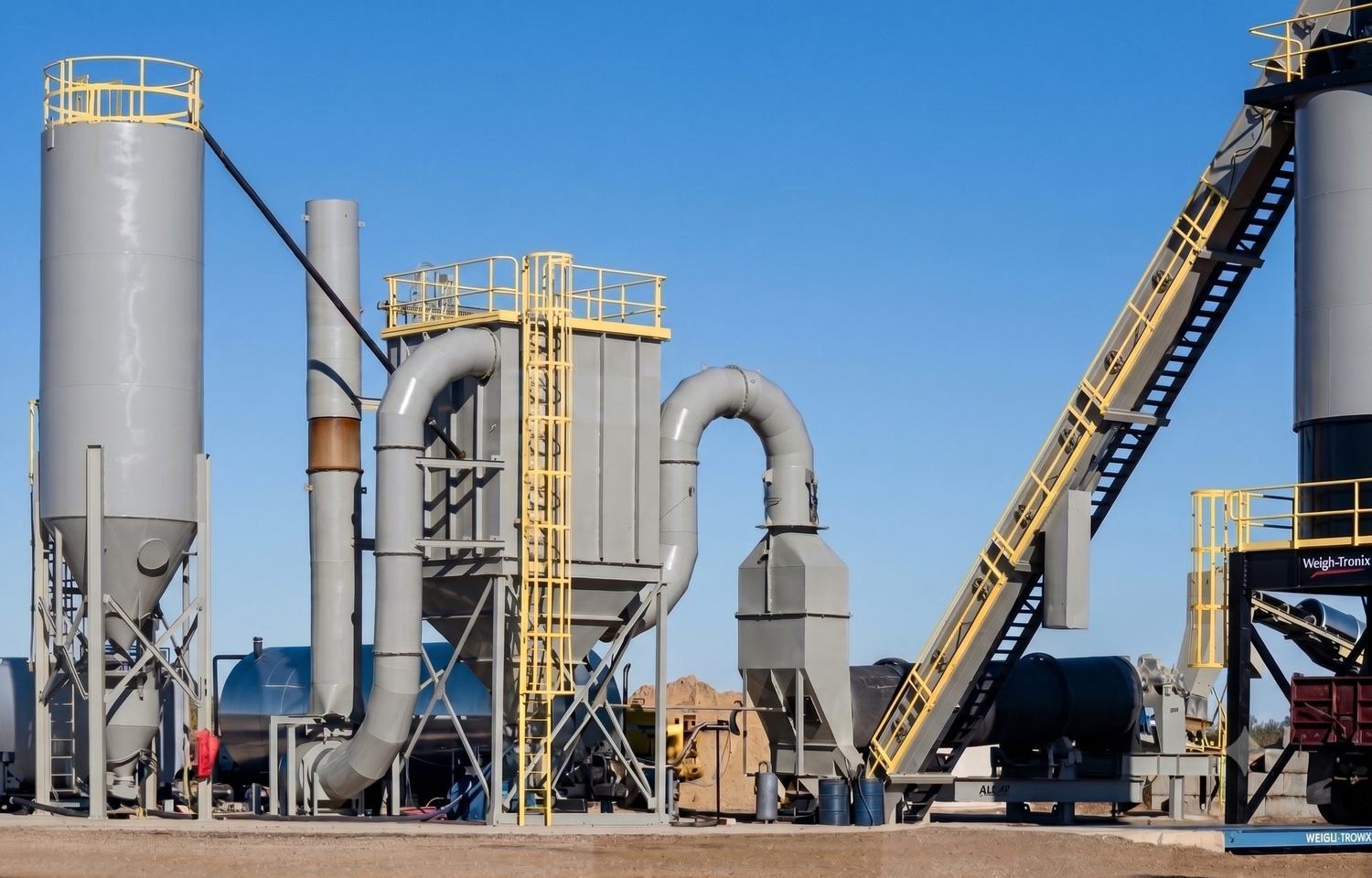
Cement & Aggregates
More Filtration Area Without a Bigger Housing
Media and ratio changes took bag life from 11 to 17 months on a 92,000 ACFM kiln baghouse.
Talk to an Engineer
Tell us the process conditions and the constraints. We’ll tell you what’s achievable and what it takes.