
Dust Collection Industry
Meet the Needs of Your Medium-Sized Business with Custom Dust Collectors
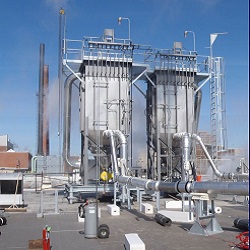
A custom-designed shop dust collection system is tailored to meet the specific needs of a particular industrial process or application. For a medium-sized business, the best dust collector should, ideally, align precisely with the specific types of dust, volume of particulate, and workflow of the operation. Why? Generic, off-the-shelf systems generally do not provide adequate…
Read MoreWhy Customization Matters: Tailoring Dust Collection for Your Industry

Industrial dust collection system manufacturers design and engineer systems for a range of airborne particles and gases produced in industrial environments. As each industry generates unique types of dust, particulates, and air pollutants, it require specialized filtration methods. In other words, particles and gases generated in a food processing plant are far different than those…
Read MoreThe Role of Customized Dust Collectors for NFPA and OSHA Compliance
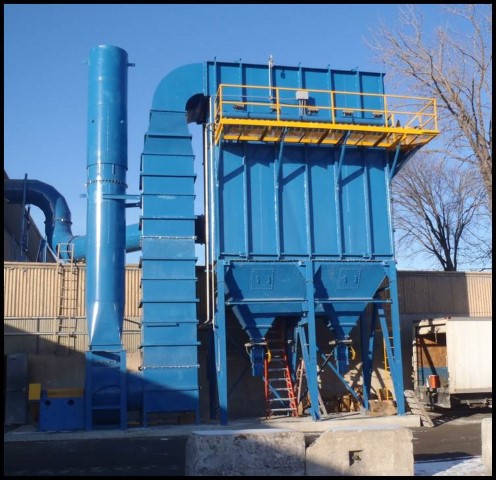
OSHA dust collection requirements and NFPA dust collection safety standards play an important role in ensuring safe and healthy work environments for employees in numerous industries. Broadly speaking, OSHA, the Occupational Health and Safety Administration, and NFPA, the National Fire Prevention Association, work in conjunction to establish and enforce guidelines, standards, and regulations that ensure…
Read MoreCustom Dust Collector Design Process: What You Need to Know
From the initial consultation to the final installation, the dust collection system design process is a collaborative effort between the client and the manufacturer. Successfully designing a dust collection system is an enormous undertaking that takes a team effort. In fact, during the custom design process, CPEF prioritizes client collaboration and input at every step…
Read MoreHow Mechanical Cyclone Filters Improve Air Quality in Industrial Environments

What is a mechanical dust cyclone separator? Or, more importantly, how does a cyclone separator work? And, above all, how do they improve air quality in industrial environments? Regarding the latter, dust cyclone separators can significantly enhance air quality in industrial environments by efficiently removing large dust and particulate matter, helping reduce airborne contaminants that…
Read MoreEnhancing Combustible Dust Explosion Protection Measures in Manufacturing Facilities

Manufacturing facilities can enhance workplace protection against combustible dust explosions by following OSHA’s regulations, fire protection organization codes, guidelines, and directives. OSHA’s combustible dust standards broadly focus on preventing incidents caused by the accumulation and ignition of fine particulate matter. The standards help facilities implement proper housekeeping practices, use safe equipment, control ignition sources, and…
Read MoreImportant Best Practices for Dust Collector Repairs and Rebuilds
Repairs and rebuilds of your existing dust control equipment are cost-effective solutions that will provide continuous service to your dust collector system and prevent unnecessary, costly downtime. Initiating such undertakings will keep your dust control equipment in good working condition and, in doing so, return your dust collector system to its original performance levels. Regular…
Read MoreA Step-by-Step Guide to Conducting a Site Assessment for Dust Collection Systems
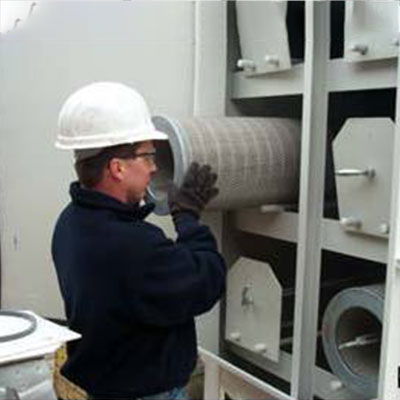
When it comes to maintaining a safe and compliant industrial environment, the importance of an effective dust collection system cannot be overstated. Whether you’re mitigating health hazards or preventing potential combustion events, the foundation of any successful dust management strategy begins with a comprehensive dust collector site assessment. In this guide, we’ll walk you through…
Read MoreUnderstanding ASHRAE Standard 199 for Industrial Dust Collectors
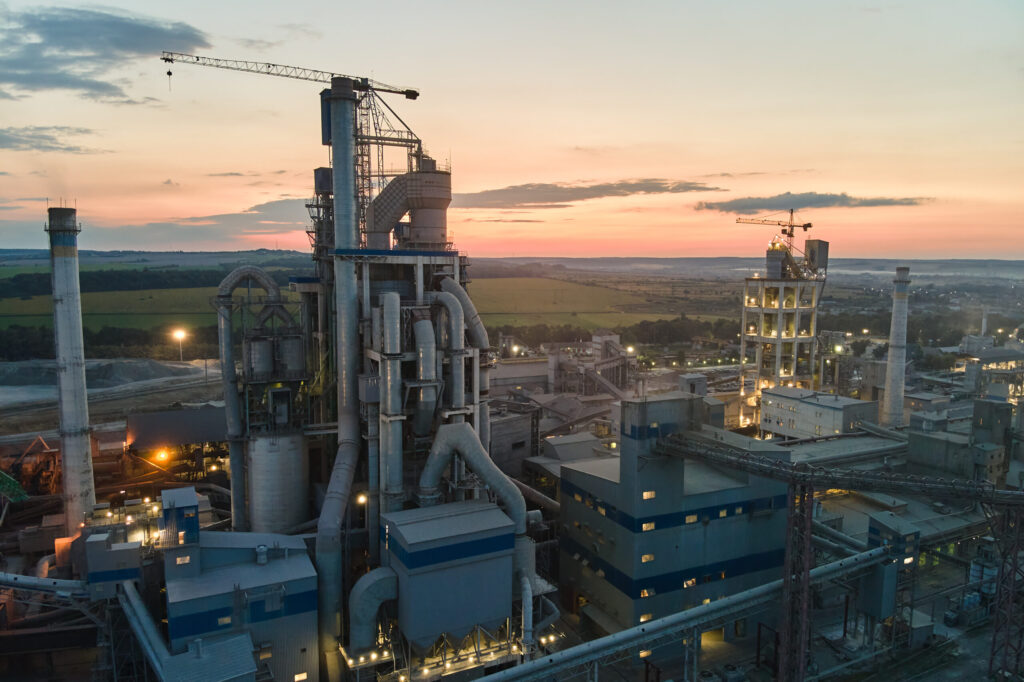
Understanding ASHRAE Standard 199-2016 in the dust collection industry ensures that production plants and manufacturing environments select the right dust collector for their facilities. The development of Standard 199, and its subsequent publication, provided the dust collection industry with a definitive method for testing the performance of industrial dust collectors. Issuing Standard 199 was the…
Read MoreHow Does a Cyclone Dust Separator Work?
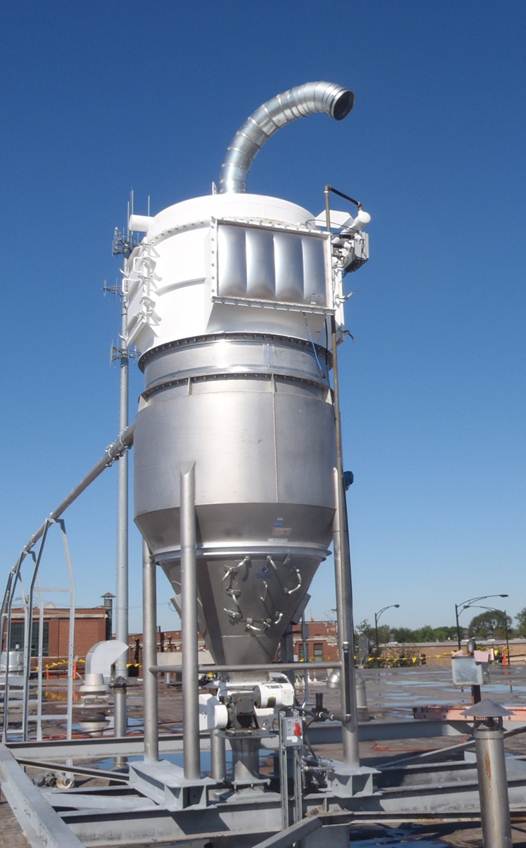
A cyclone dust separator is one of the most effective and economical ways to remove large particles from industrial air streams before they reach the main filtration system. These devices are commonly used in manufacturing, woodworking, cement production, and other heavy-duty industries.
Read More