
Dust Collectors
How to Reduce Commercial Dust Collector Costs
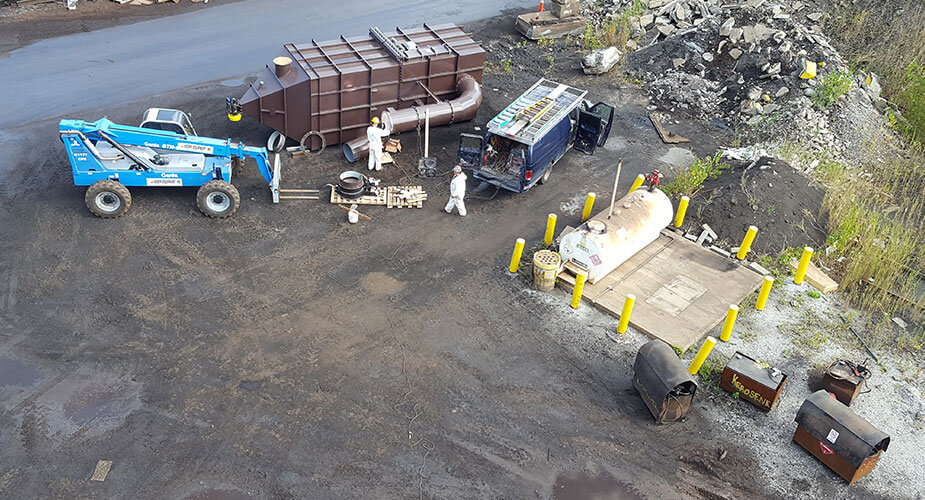
Operating a commercial dust collector efficiently is vital in industrial environments that handle dry processing and bulk solids. The challenges of capturing, conveying, and containing dust are large for these facilities. In doing so, there is a price to pay—literally and figuratively.
Read MoreDust Collector Sizing: Is Your Facility’s System Too Small?

Dust collector sizing is an essential first step when installing a dust collection system in your facility. Though it may be tempting to price out a dust collection system that costs less, any savings realized upfront would be quickly offset by higher energy consumption and increased operational and maintenance costs associated with an underperforming system.
Read MoreOSHA Dust Control Regulations: A Pocket Guide
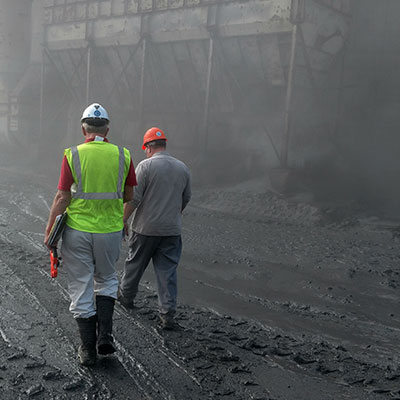
OSHA dust control regulations and standards are primarily designed to protect the health and safety of workers exposed to harmful dust and particulate matter generated in industrial environments. Companies must comply with these regulations to avoid hefty fines and other penalties. OSHA, the Occupational Safety and Health Administration, does not mandate how dust is removed…
Read MoreA Guide to Industrial Dust Collection System Design
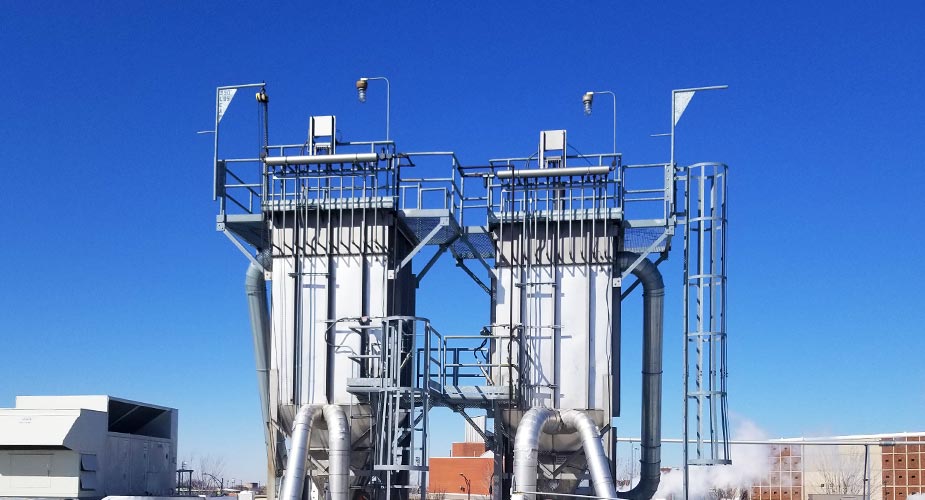
Deciding on an industrial dust collection system design is an essential first step before installing a system in a facility. A dust collection system design not only gives companies a clear understanding of how their system will perform and function but ensures the system they are installing is designed to meet their needs. The dust…
Read MoreDry vs. Wet: Which Industrial Dust Extraction System Is Best for Your Facility?
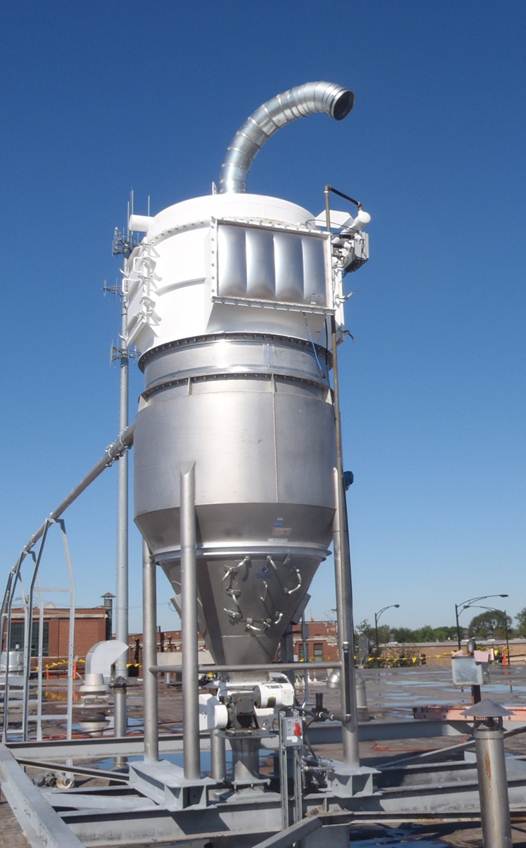
An industrial dust extraction system is used to capture and collect dust, airborne contaminants, and particulate matter generated during production activities in manufacturing plants, factories, foundries, and like facilities. Dust extraction systems are also designed to filter harmful gases, combustible dust, and particulate matter that may cause a health hazard to employees, a danger to…
Read MoreHow to Choose the Right Commercial Dust Collection System for Your Facility
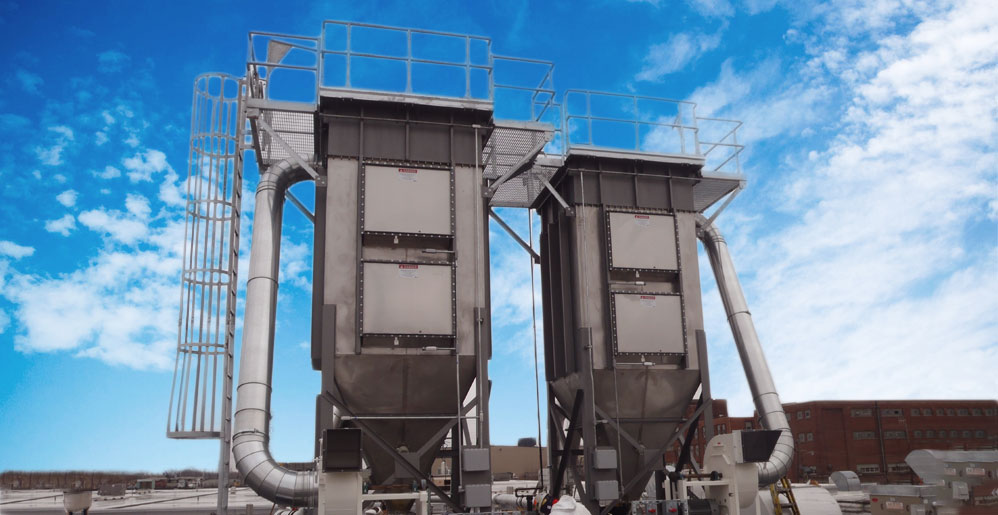
During industrial processes, a commercial dust collection system ensures that potentially harmful gases, particulate matter, contaminants, and other airborne pollutants are not released into the workplace or environment during production and manufacturing. Dust collection systems are vital for numerous industries and industrial processes in maintaining, if not improving, a facility’s air quality. More than protecting…
Read MoreUnderstanding the Different Types of Industrial Dust Extraction Systems
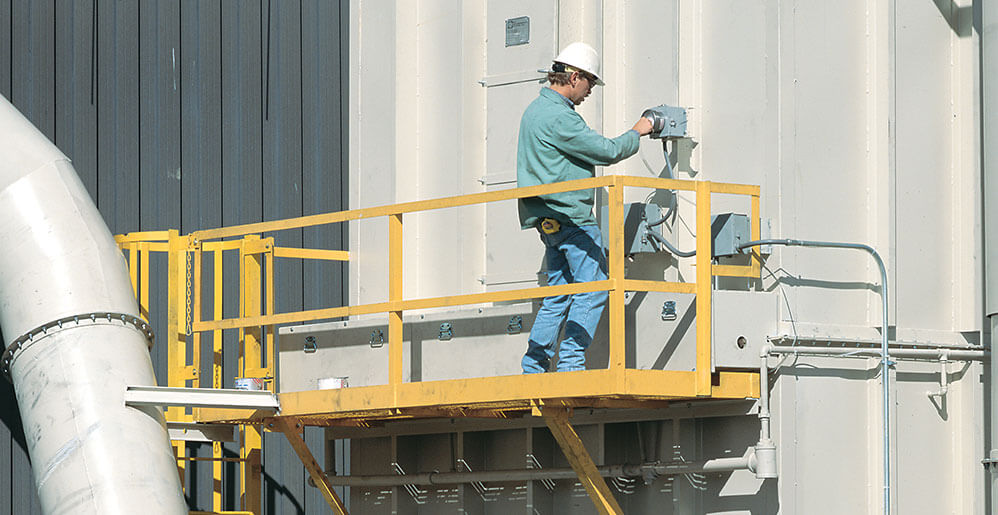
Industrial dust extraction systems are industrial-scale dust collectors used to remove and filter hazardous dust, gasses, and particulates from industrial and manufacturing facilities. They are employed to protect the workplace, both people and machinery, as well as the environment, from harmful airborne contaminants and improve air quality.
Read MoreHow Does a Cyclone Dust Separator Work?
A cyclone dust separator is one of the most effective and economical ways to remove large particles from industrial air streams before they reach the main filtration system. These devices are commonly used in manufacturing, woodworking, cement production, and other heavy-duty industries.
Read More6 Industrial Dust Extraction System Safety Tips
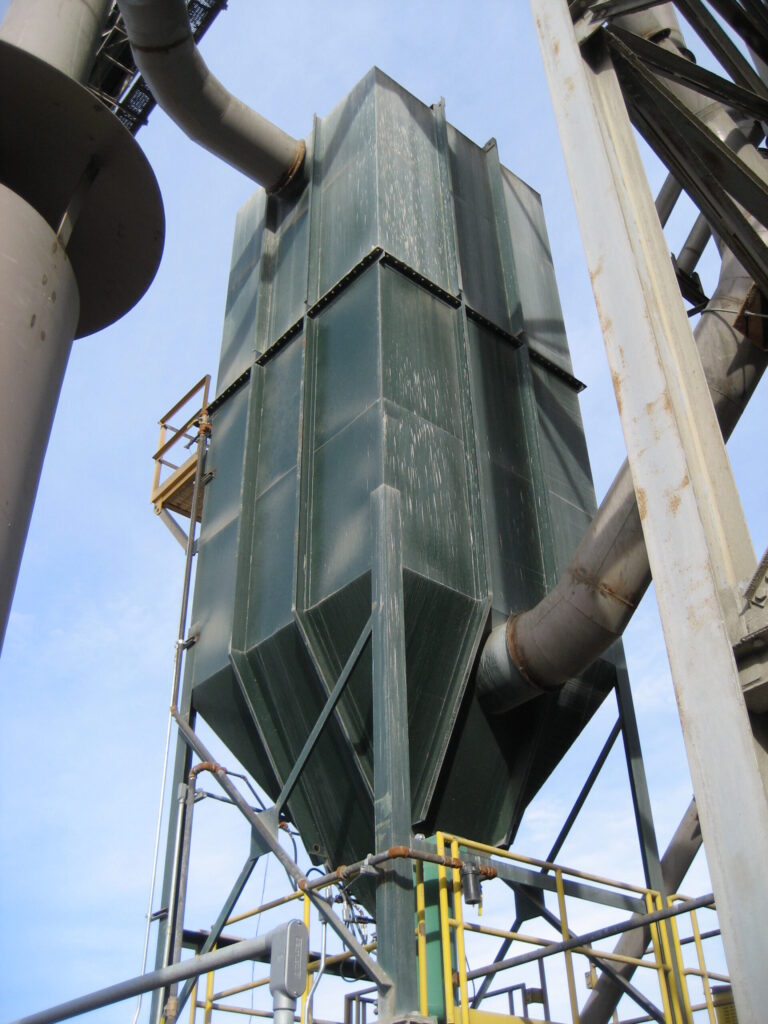
Providing a safe work environment is a top priority of any industrial dust extraction system. Integral to the extraction process is an effective dust collection system. Industrial dust collectors are used to extract airborne dust, hazardous particulates, and harmful fumes from production environments. Dust collection provides clean air in the workplace, assures the health and…
Read MoreCombustible Dust Standards: How to Ensure Compliance with OSHA and NFPA

Combustible dust standards are in place to limit the serious hazard posed by the accumulation of fine particulate matter that is generated in certain industrial production environments. OSHA safety regulations and NFPA dust collection guidelines incorporate preventive strategies designed to hinder the concentration of combustible dust in manufacturing plants and facilities before deflagration, flash fires,…
Read More