
Home / Products / Pulse Cleaning / Shaker Collectors
Shaker Dust Collectors
Mechanical cleaning for intermittent duty — no compressed air required, and no pulse valves to maintain.
Product overview
Simple, Rugged, and Independent of Plant Air
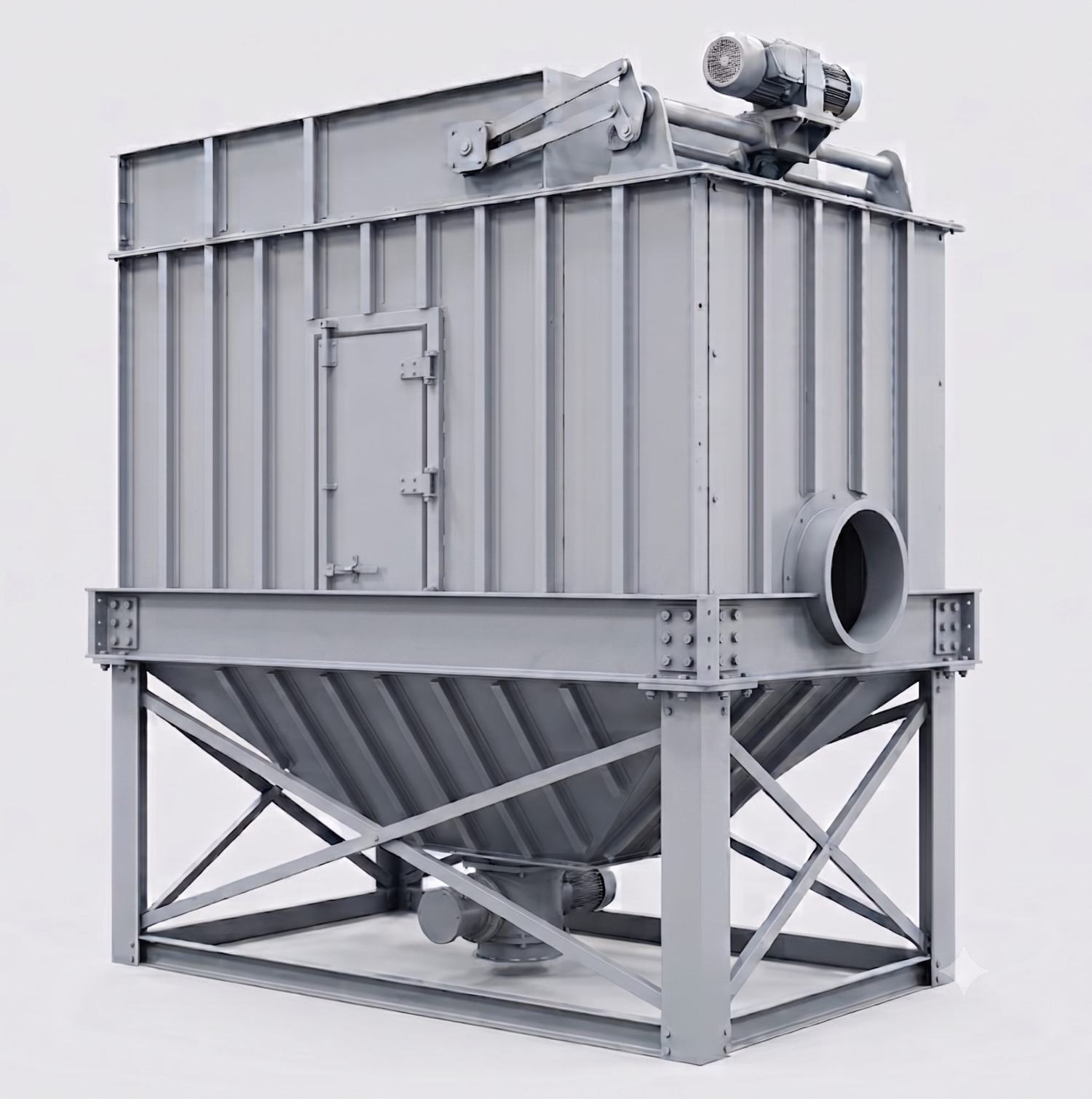
A shaker collector cleans its bags mechanically: the cleaning cycle stops airflow through a compartment and physically shakes the bags to release the dust cake. No compressed air, no diaphragm valves, no solenoids.
That simplicity is the whole argument. Where plant air is unavailable, expensive, or already stretched, and where the process runs in batches with natural gaps for cleaning, a shaker will run for years with very little attention.
The constraint is that cleaning happens off-line. Continuous processes need either multiple compartments cleaned in sequence or a pulse jet design instead.
Continuous process? A pulse jet baghouse cleans on-line and holds capacity through the duty cycle. Shakers suit batch and intermittent operation.
Key features
Configuration & Capability
No Compressed Air
Mechanical shaking eliminates the compressed air system entirely.
- No plant air connection
- No pulse valves or solenoids
- Lower ongoing energy cost
Multi-Compartment Options
Sequential compartment cleaning maintains capacity on longer-running processes.
- Isolation dampers per compartment
- Automatic sequencing
- Continuous operation possible
Rugged Simplicity
Fewer wearing components than a pulse jet design.
- Simple drive mechanism
- Long service intervals
- Straightforward troubleshooting
Gentle on Media
Mechanical shaking is less aggressive on fabric than high-pressure pulsing.
- Extended bag life on suitable duty
- Suits woven fabrics
- Lower media stress
Technical specifications
Specifications
Standard ranges — every unit configured to application
| Cleaning method | Mechanical shaker, off-line |
| Compressed air | Not required |
| Duty type | Intermittent or batch; multi-compartment for continuous |
| Filter media | Woven fabrics; polyester, cotton, specialty |
| Housing construction | Carbon steel; stainless available |
| Discharge | Hopper with rotary airlock or drum |
| Access | Bag access door; walk-in options |
Compliance & safety
Engineered to the Standards You’re Audited Against
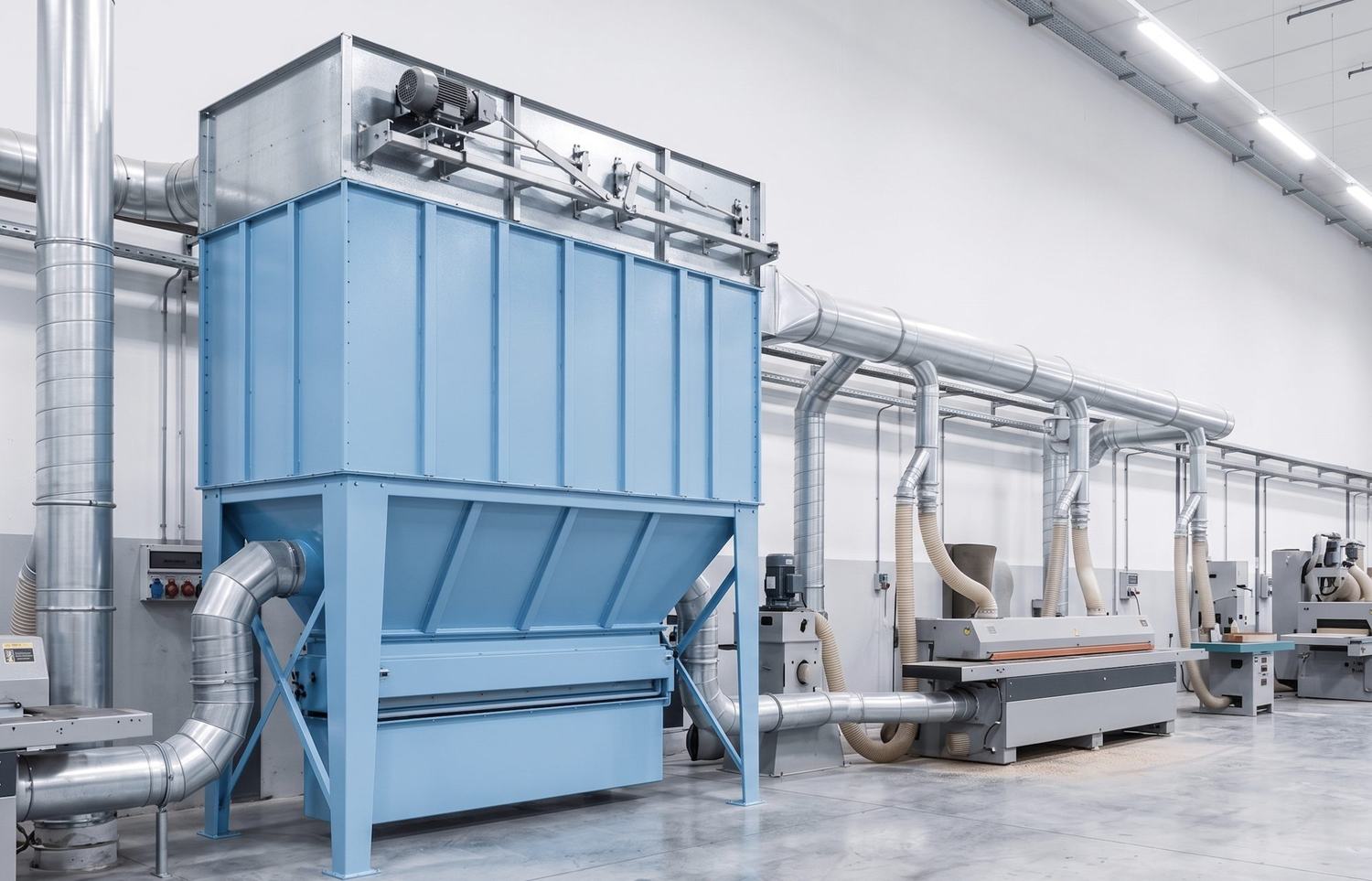
Where the dust is combustible, filtration efficiency is only half the design problem. We integrate deflagration venting, explosion isolation, spark detection, and grounding provisions specified against your Dust Hazard Analysis — not bolted on afterwards.
ATEXFM GLOBALMSHAUL / CSA
Industries
Where It Works
Batch
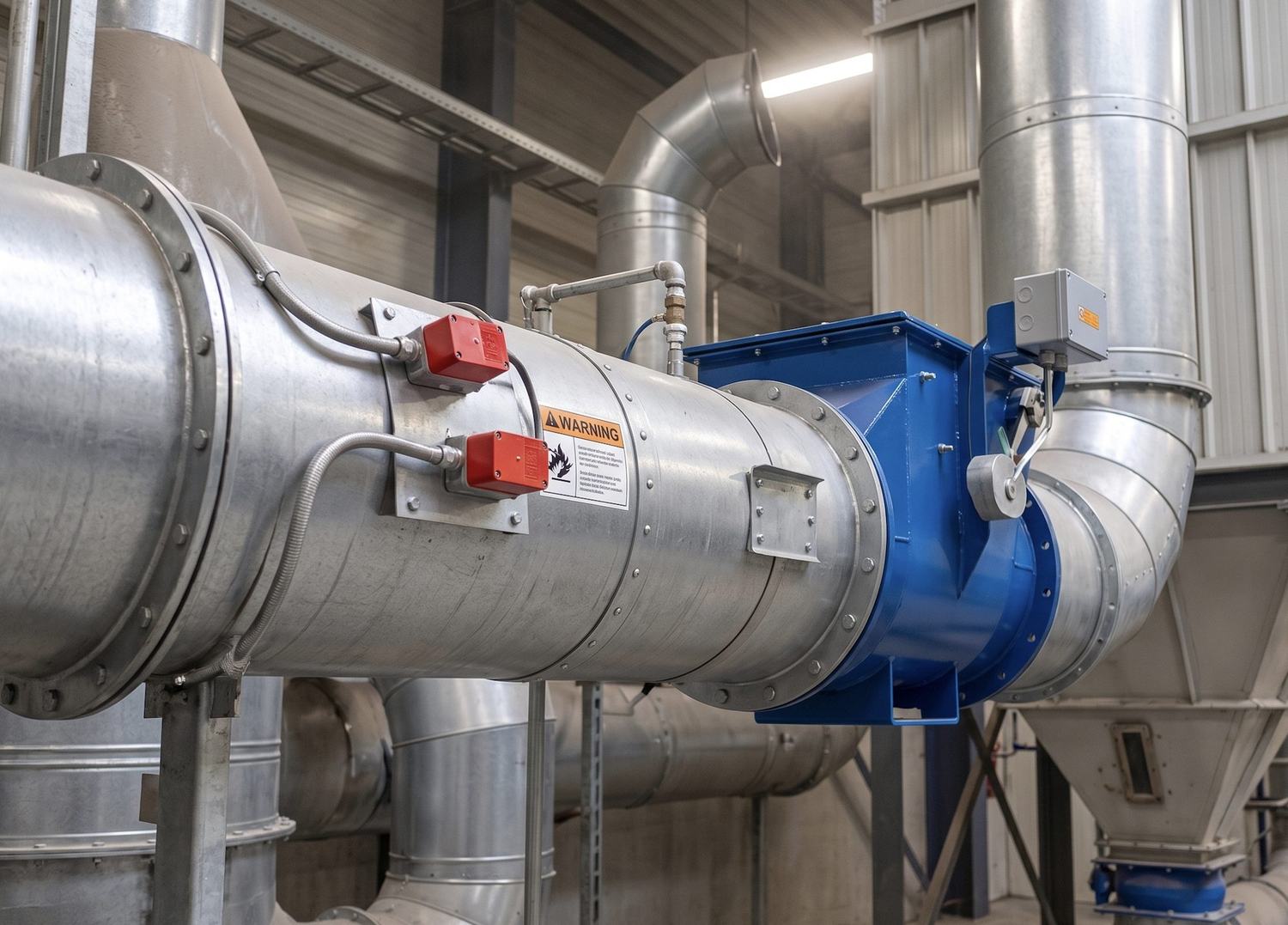
Woodworking
Sanding and sawing dust from batch production lines.
Agricultural
Grain Handling
Elevator and mill dust in intermittent operation.
Abrasive
Foundry Shakeout
Sand and mould dust with natural cycle gaps.
Fibrous
Textile
Lint and fibre capture where pulse cleaning would blind media.
No plant air
Warehousing
Localised dust in facilities without plant air infrastructure.
Intermittent
General Manufacturing
Batch processes with predictable downtime windows.
Proof
In Service
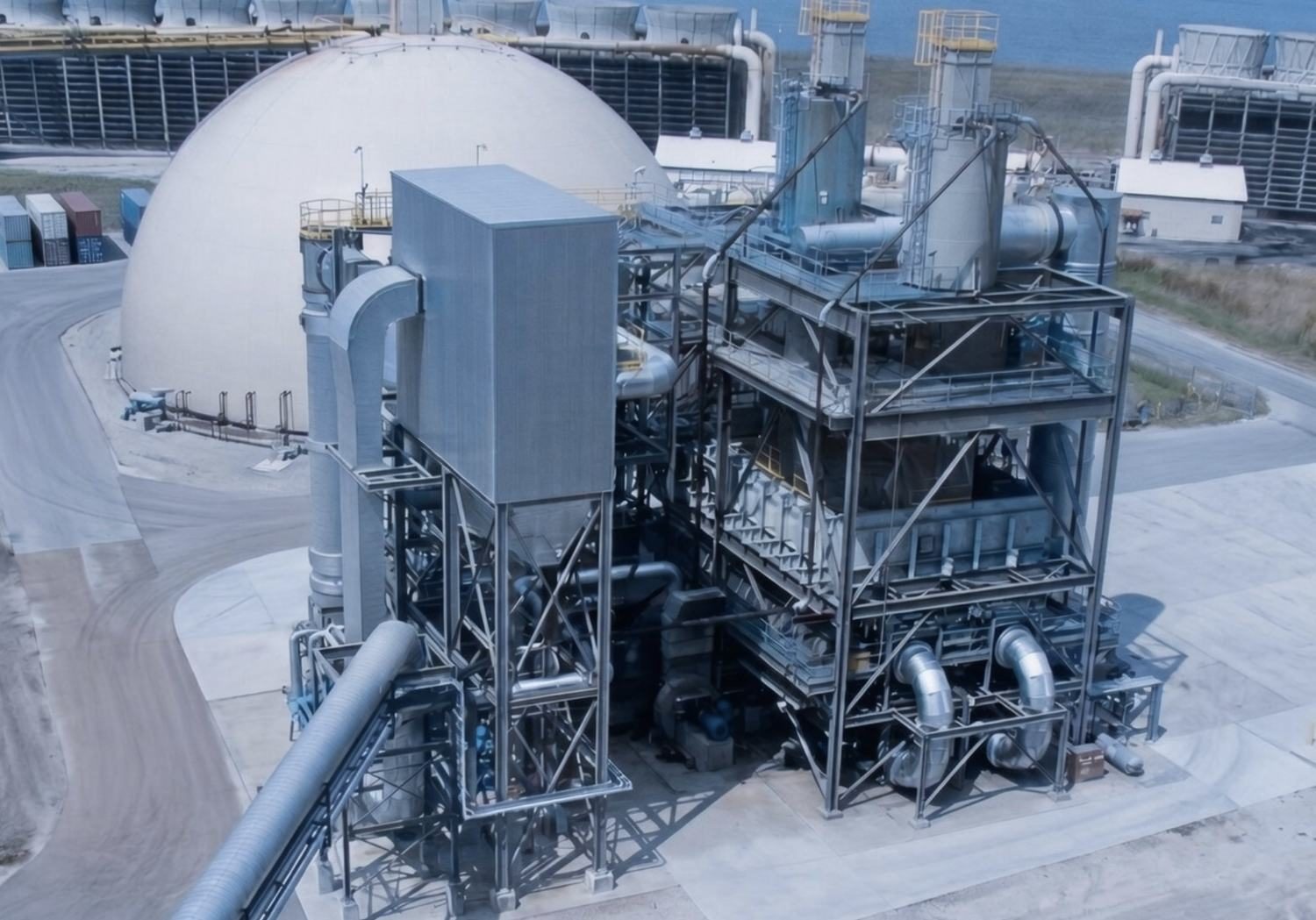
Metal Recycling
Multiple ageing collectors replaced by one central system
Fugitive emissions down 75%
Common questions
FAQs
Why choose a shaker over a pulse jet?
Two reasons: no compressed air requirement, and mechanical simplicity. If your plant air is stretched or you want fewer components to maintain, and your process has natural gaps, a shaker is a sound choice.
Can shakers run continuously?
A single-compartment shaker cannot, because cleaning requires airflow to stop. Multi-compartment designs clean one section at a time while the others stay on-line, which allows continuous operation.
What media suits shaker cleaning?
Woven fabrics generally, rather than felts. The mechanical action works with the fabric structure, and woven media release the cake well under shaking.
Tell Us About Your Application
Send us your airflow, dust type, temperature, and plant constraints. Our engineers will size and configure a system for your process — and tell you plainly if something else would serve you better.