
Home / Products / Pulse Cleaning / HEPA Filtration
HEPA Filtration Systems
Final-stage capture to 99.97% at 0.3 micron — where the discharge goes into an occupied space, or the permit leaves no margin.
Product overview
The Last Stage, Where There Is No Margin Left
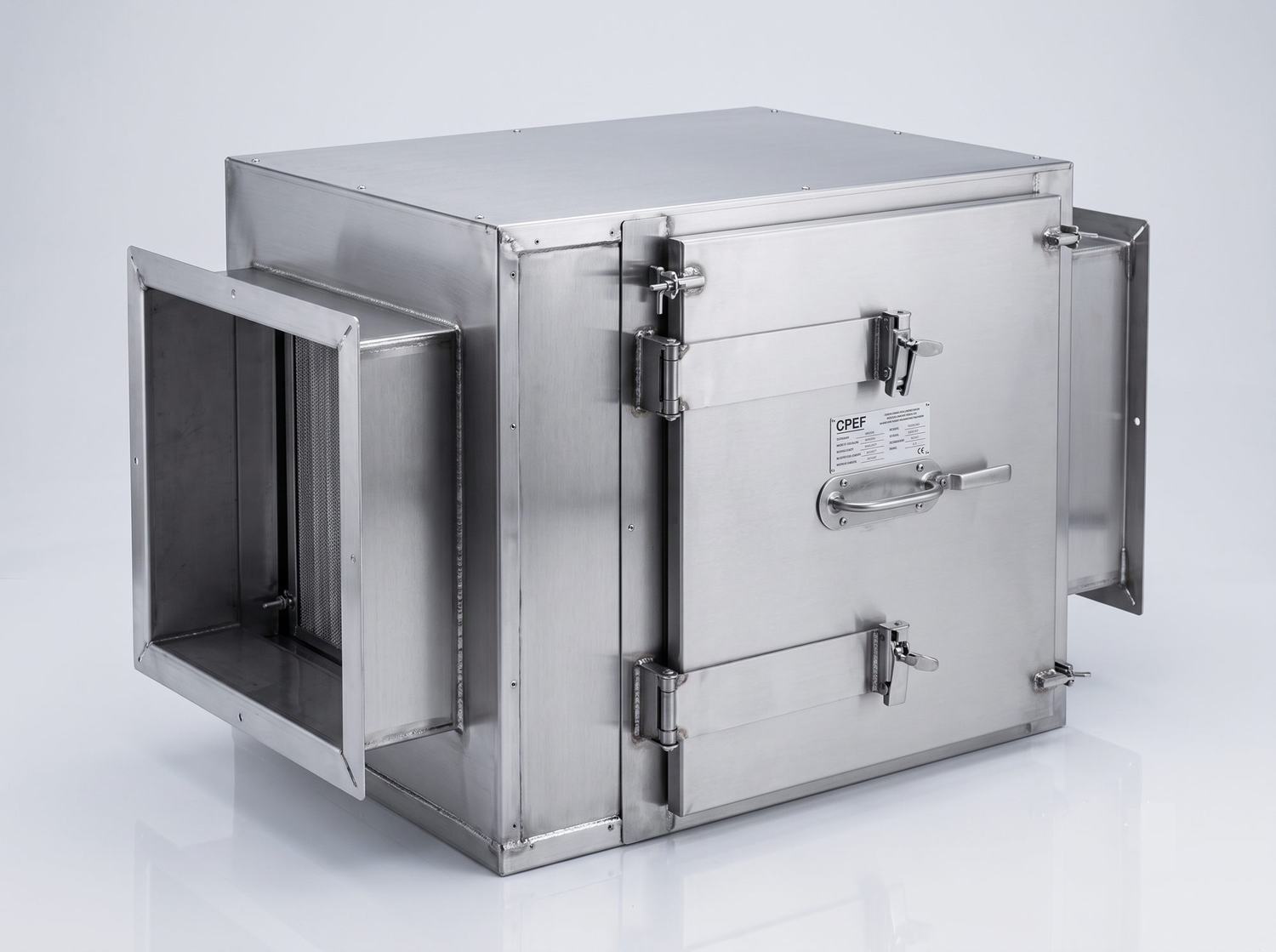
HEPA filtration is a final stage, not a primary one. It sits downstream of a properly sized collector and captures what that collector could not — sub-micron particulate, hazardous material, or the last increment needed to satisfy a permit or an occupational exposure limit.
Loading a HEPA bank directly is expensive and short-lived. The design question is nearly always what goes in front of it: a cartridge or baghouse stage removes the bulk, and the HEPA then runs for a long service life on a light residual load.
Where the material is hazardous, bag-in/bag-out housings allow filter changes without exposing the technician to the captured dust.
Key features
Configuration & Capability
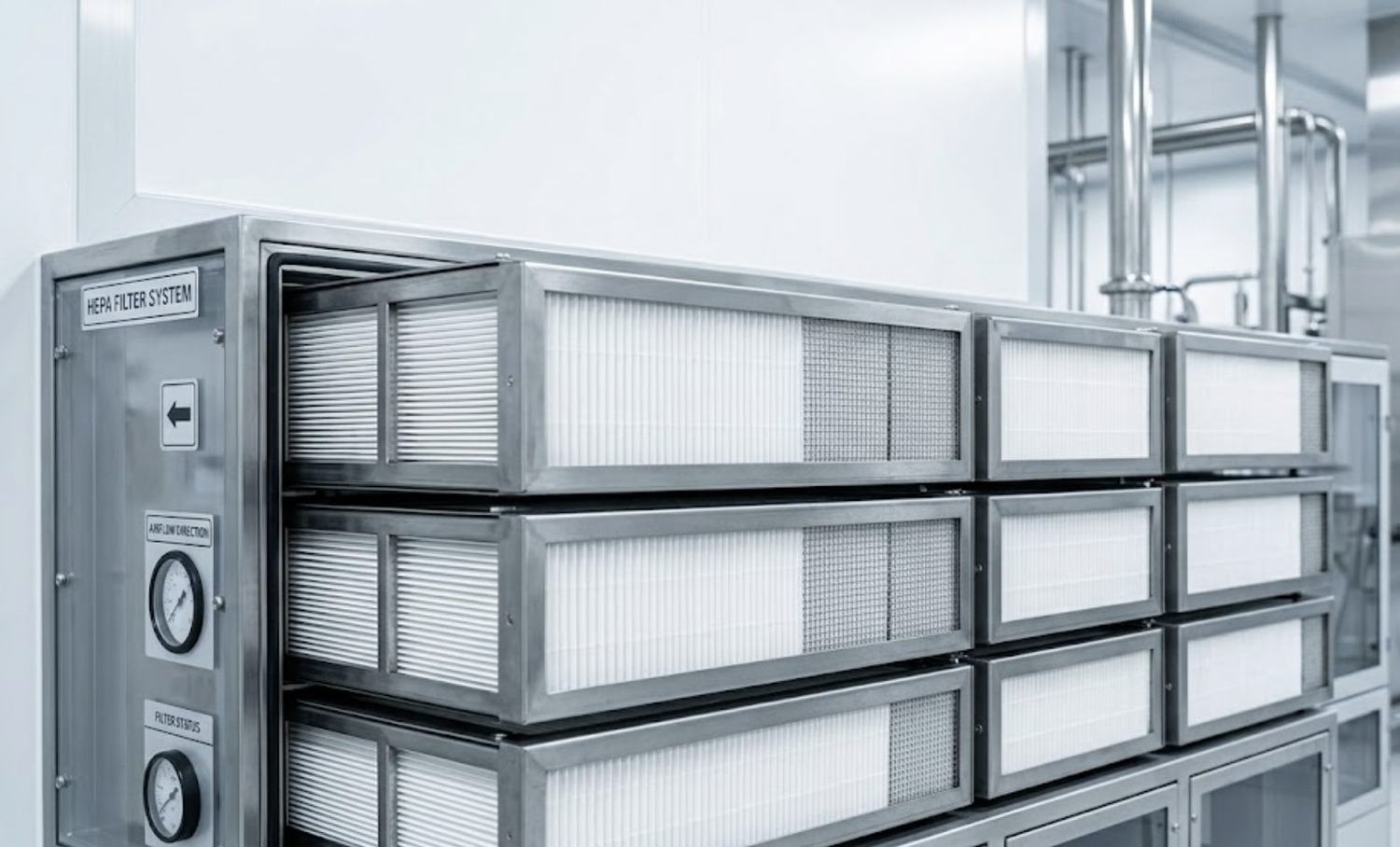
99.97% Efficiency
Rated capture at the most penetrating particle size.
- 0.3 micron rating
- Individually tested elements
- ULPA options available
Stainless Housings
304 and 316L construction for sanitary and corrosive service.
- Wash-down capable
- Gasketed leak-tight seals
- DOP test ports
Bag-In / Bag-Out
Contained filter change for hazardous or toxic material.
- No technician exposure
- Safe-change bagging port
- Suits pharmaceutical and nuclear duty
Multi-Stage Design
Pre-filter and primary stages sized to protect the HEPA bank.
- Extends HEPA service life
- Lower cost per year
- Staged pressure drop monitoring
Technical specifications
Specifications
Standard ranges — every unit configured to application
| Efficiency rating | 99.97% at 0.3 μm; ULPA available |
| Housing construction | Carbon steel; 304 / 316L stainless |
| Filter access | Standard or bag-in/bag-out |
| Sealing | Gasket or fluid seal |
| Test ports | Upstream and downstream DOP ports |
| Pre-filtration | Required – cartridge or bag primary stage |
| Monitoring | Differential pressure gauge or transmitter standard |
Compliance & safety
Engineered to the Standards You’re Audited Against
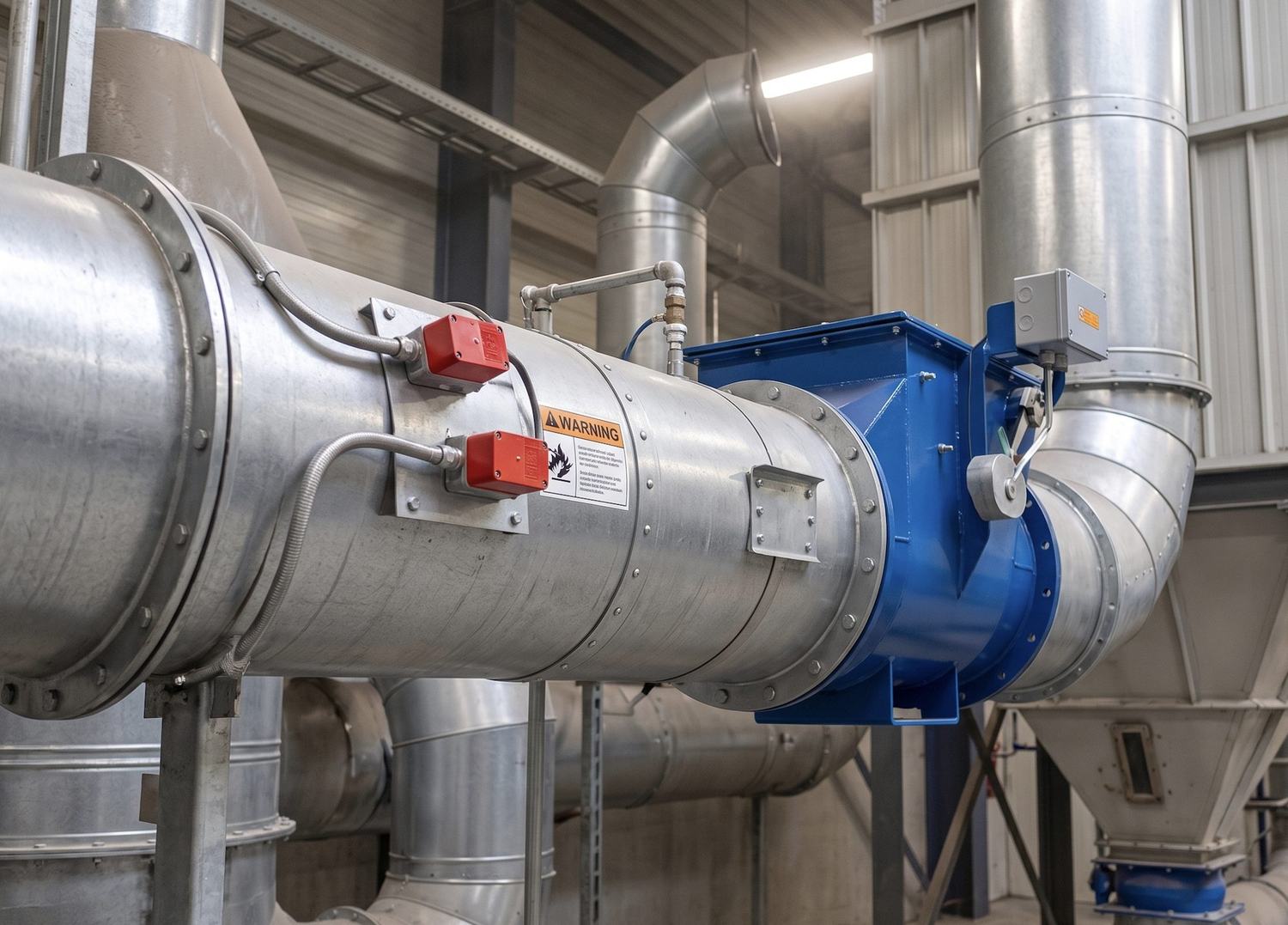
Where the dust is combustible, filtration efficiency is only half the design problem. We integrate deflagration venting, explosion isolation, spark detection, and grounding provisions specified against your Dust Hazard Analysis — not bolted on afterwards.
ATEXFM GLOBALMSHAUL / CSA
Industries
Where It Works
Containment
Pharmaceutical
API and potent compound handling under containment.silos where product recovery and containment both matter.
Sanitary
Food Processing
Clean-side discharge in sanitary production areas.
Exposure control
Laboratory
Fume hood and enclosure exhaust treatment.
Hazardous
Metal Processing
Toxic metallic fume — lead, cadmium, beryllium.
Cleanroom
Electronics
Cleanroom and controlled environment exhaust.
OEL
Chemical
Fine chemical dust with occupational exposure limits.
Common questions
FAQs
Can I use HEPA as my only filtration stage?
Technically yes, practically no. HEPA media loaded directly with process dust will blind quickly and the running cost becomes prohibitive. A primary collector ahead of it is nearly always the cheaper total solution.
What is bag-in/bag-out?
A housing design that lets a technician change a loaded filter inside a sealed bag, without ever being exposed to the captured material. Standard practice for toxic dusts and pharmaceutical containment.
How do I know when to change a HEPA filter?
Differential pressure across the bank. Every housing should have a gauge or transmitter, and the change point should be set against the manufacturer’s final resistance rating rather than a calendar interval.
Proof in service
Where this has been done
Food Processing
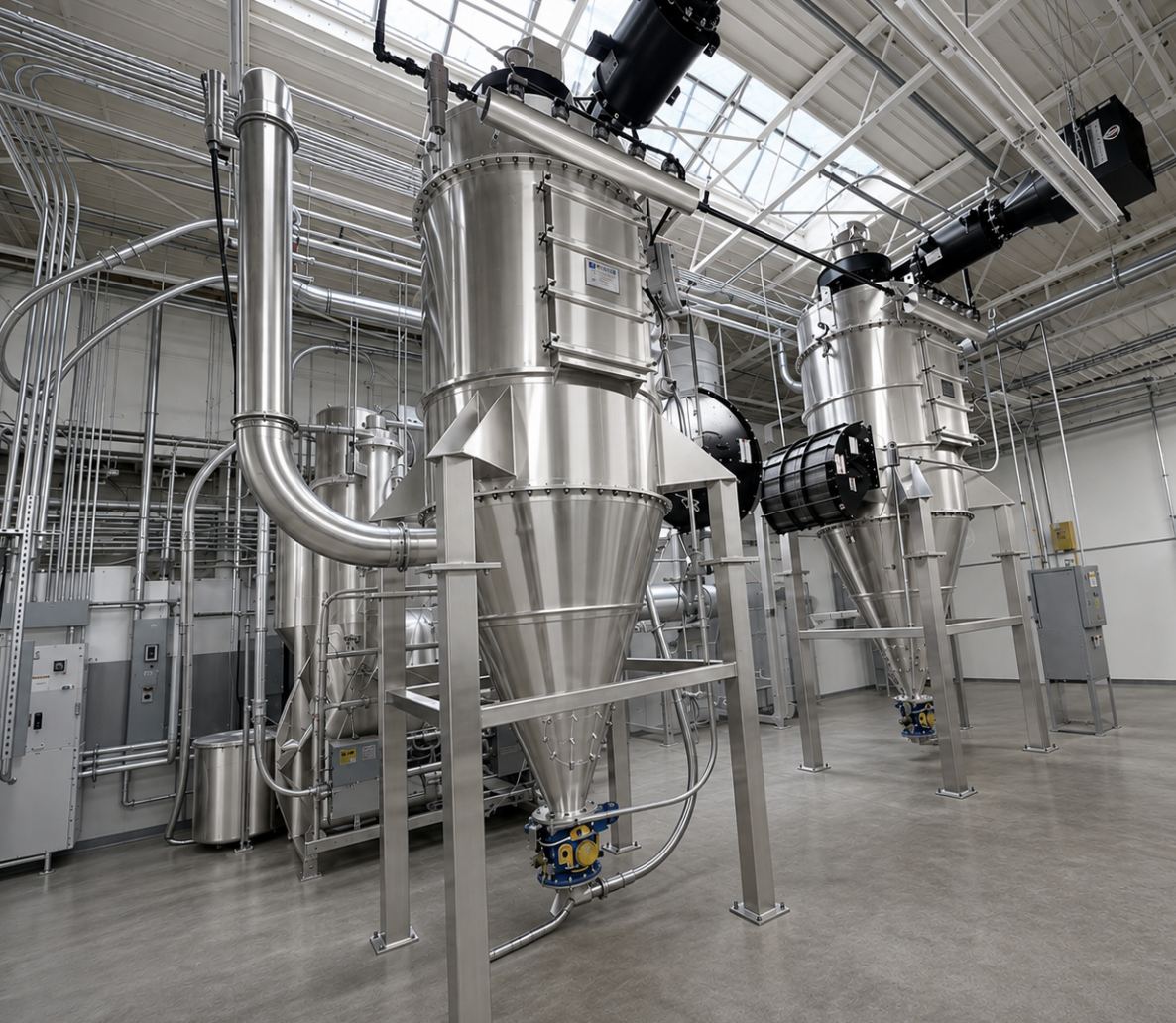
Sanitary Stainless Collection for a Food Plant
304 stainless throughout, smooth welds and minimal crevices. Capture efficiency up 7%.
Tell Us About Your Application
Send us your airflow, dust type, temperature, and plant constraints. Our engineers will size and configure a system for your process — and tell you plainly if something else would serve you better.