
Product overview
A Correctly Sized Collector Still Fails Behind Bad Ductwork
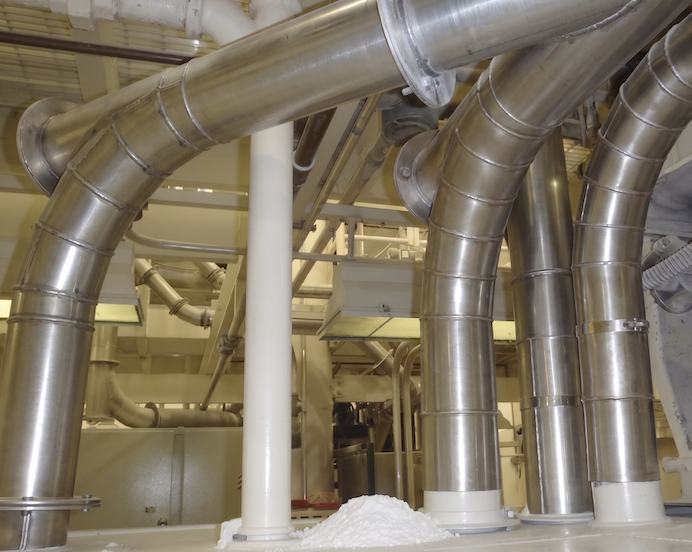
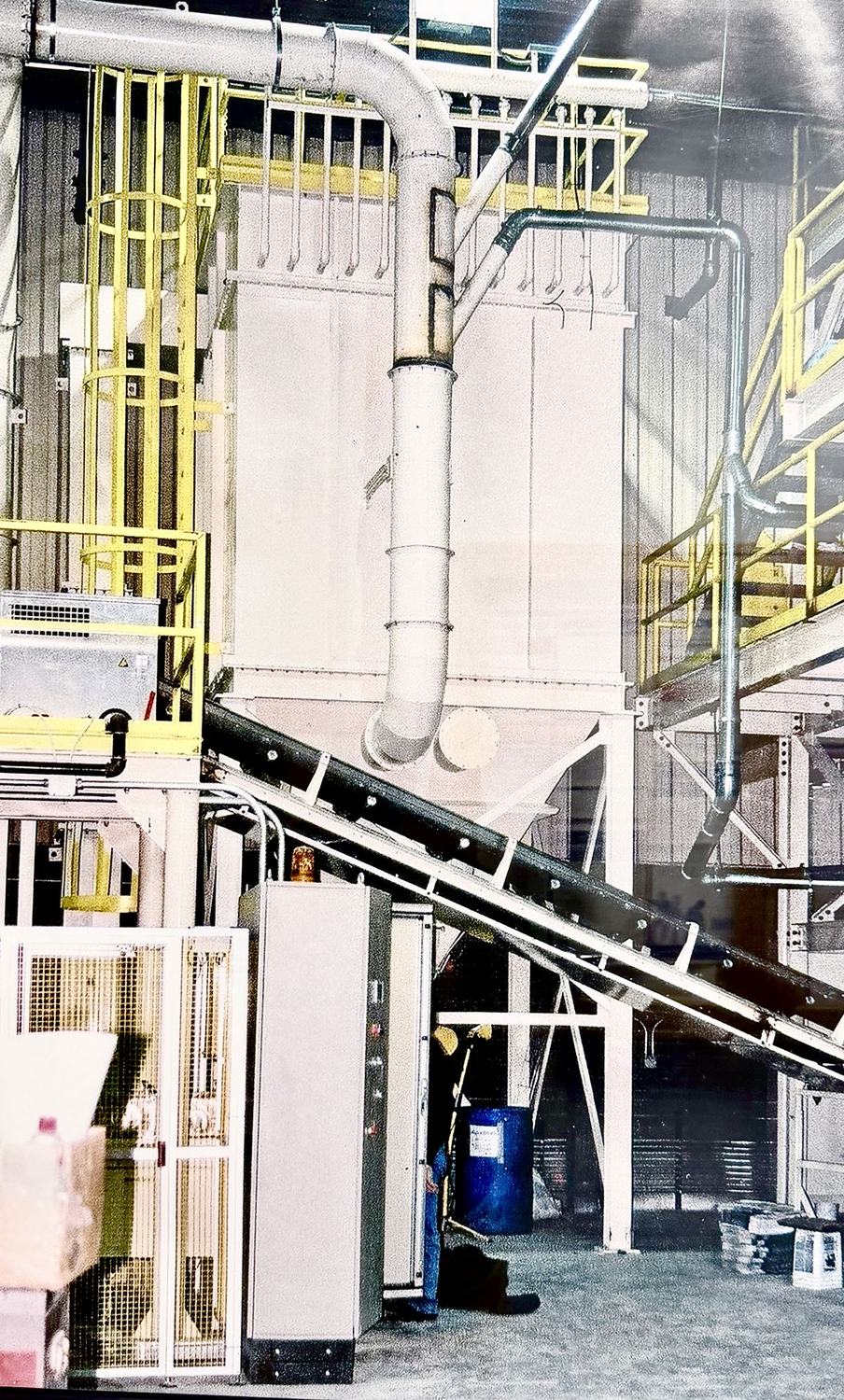
Ductwork looks like commodity sheet metal, which is why it is so often the line item that gets trimmed. It is also where a great many underperforming dust collection systems actually go wrong.
Velocity is the reason. Too slow and dust settles in the duct, gradually choking the run and shifting airflow away from the pickup points that need it. Too fast and you pay for the pressure drop forever, while abrasive dust cuts through elbows. Getting the balance right across a branched system, at every pickup point simultaneously, is genuine engineering.
CPE Filter Systems designs ductwork as part of the system rather than as an afterthought — velocity, branch balance, elbow radius, wear allowance, cleanout access, and support all specified together.
Existing system underperforming? Before replacing a collector, it is worth measuring the duct. A site assessment often finds the problem is upstream of the equipment.
Key features
Configuration & Capability
Velocity Design
Conveying velocity set to keep dust in suspension without excess pressure drop.
- Material-specific velocity targets
- Branch balancing across pickup points
- Pressure drop modelled, not estimated
Cleanout & Access
Access points where inspection and clearing will actually be needed.
- Cleanout doors at low points
- Test ports for balancing
- Accessible from platform where possible
Wear Management
Abrasive dust destroys elbows first. We design for that.
- Long-radius and back-shielded elbows
- Abrasion-resistant liners
- Replaceable wear sections
Material & Construction
Gauge, material, and seam type matched to the duty.
- Carbon steel, 304, 316L
- Welded or clamped construction
- Grounding continuity throughout
Technical specifications
Specifications
Standard ranges — every unit configured to application
| Conveying velocity | Typically 3,500–4,500 fpm, material dependent |
| Construction | Welded or clamped; carbon steel, 304, 316L |
| Elbows | Long-radius standard; AR-lined and back-shielded options |
| Balancing | Blast gates or engineered static balance |
| Access | Cleanout doors, test ports |
| Grounding | Continuous bonding throughout run |
| Combustible service | Isolation valve locations per NFPA 69 |
Common questions
FAQs
Why does my collector underperform at the far pickup point?
Almost always a balance problem. Air takes the path of least resistance, so without engineered balancing the nearest branches get the airflow and the far ones starve. It is fixable, and it is worth measuring before assuming the collector is undersized.
What velocity should my ductwork run at?
It depends on the material. Light dry dust stays in suspension at lower velocities; heavy, damp, or granular material needs more. Ranges between 3,500 and 4,500 fpm cover most industrial dusts, but the right number comes from your specific material.
Do you supply ductwork for collectors you didn’t provide?
Yes. We also assess existing duct runs where a system is not performing as expected.
Proof in service
Where this has been done
Metal Recycling
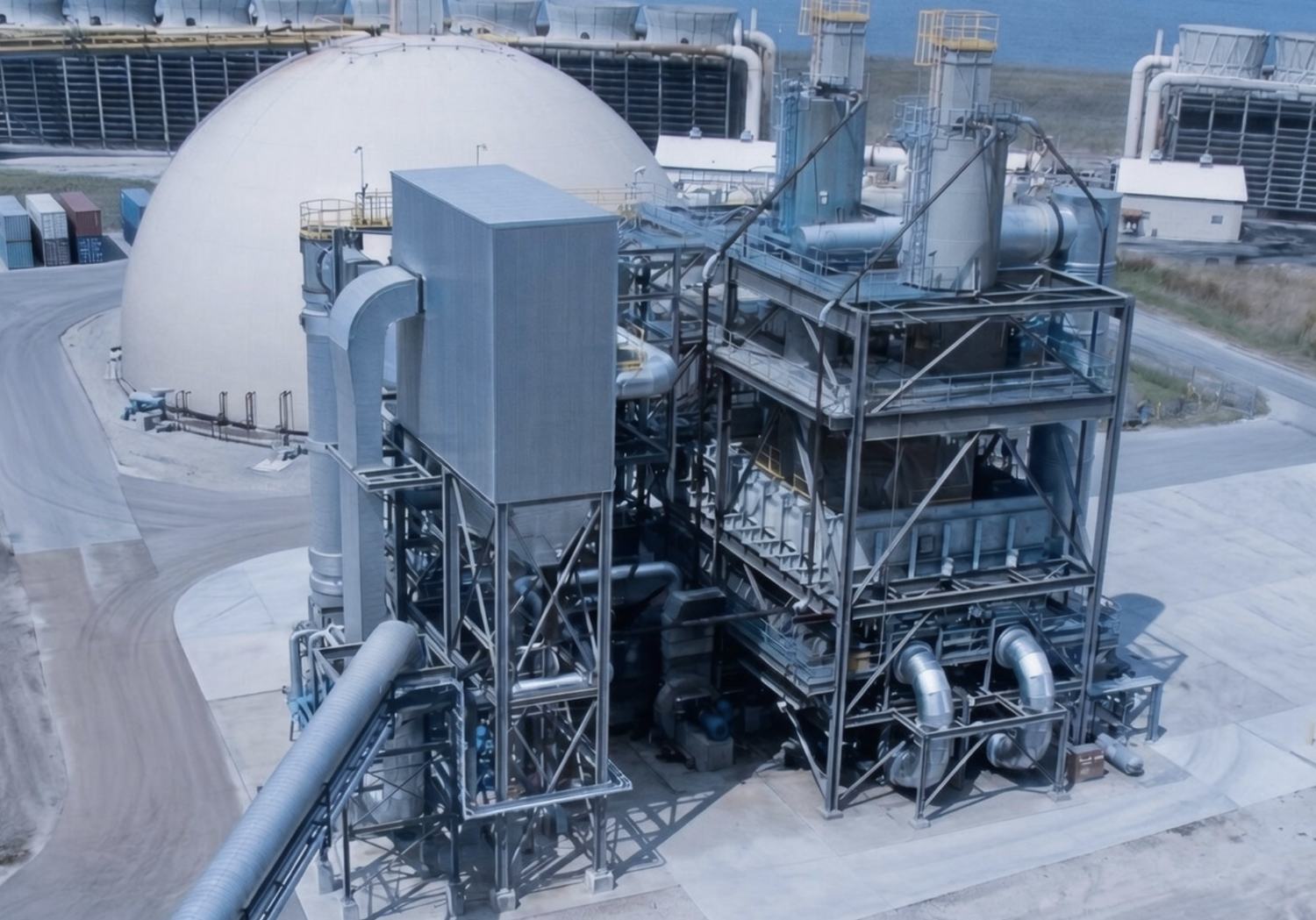
One Central System Replacing Several Collectors
Duct routing and hood placement at transfer points cut fugitive emissions by 75%.
Tell Us About Your Application
Send us your airflow, dust type, temperature, and plant constraints. Our engineers will size and configure a system for your process — and tell you plainly if something else would serve you better.