
Home / Industries / Metal Recycling
Industry
Dust Collection for Mining and Metal Processing Industry
Variable feedstock, fugitive emissions at transfer points, and a yard full of collectors each sized for a process that has since changed.
The Dust
Shredder and torch-cutting operations produce mixed metallic particulate, frequently with coatings, oils and residues attached. Composition varies with the feedstock — which, by definition, is not controlled.
What Makes It Difficult
Fugitive emissions are the visible problem. In scrap operations most of the complaint-generating dust is not the stack. It is what escapes at transfer points, shredder discharge and torch stations. A stack test can pass while the neighbours are still calling.
Variable feedstock means variable dust. A system sized against one composition meets a different one next month, so design margin matters more here than in a controlled process.
Accumulated infrastructure. Most scrap operations have added collectors over decades, each sized for a process that has since changed. The result is several underperforming units where one correctly sized system would serve better and cost less to run.
What We Specify
Consolidation is usually the answer. One central system designed around the plant as it actually runs, rather than the plant as it was when each collector was bought. That decision typically reduces total fan power as well as maintenance burden.
Capture design carries more weight here than filtration. Hood placement at transfer points and shredder discharge determines whether fugitive dust is controlled at all — and it is the part most often left out of a competitor’s scope.
Spark arrestance where torch cutting feeds the system.
Several ageing collectors, each sized for a process that had since changed, replaced by one central system designed around current operations. Bag life improved roughly 50% and multiple maintenance regimes consolidated into one.
Read the full case study →Regulatory Context
Fugitive emissions are increasingly the subject of state enforcement and community complaint, and they are measured differently from stack emissions. Torch cutting introduces metal fume exposure limits. Where the operation handles aluminium or magnesium, NFPA 484 applies.
Related equipment
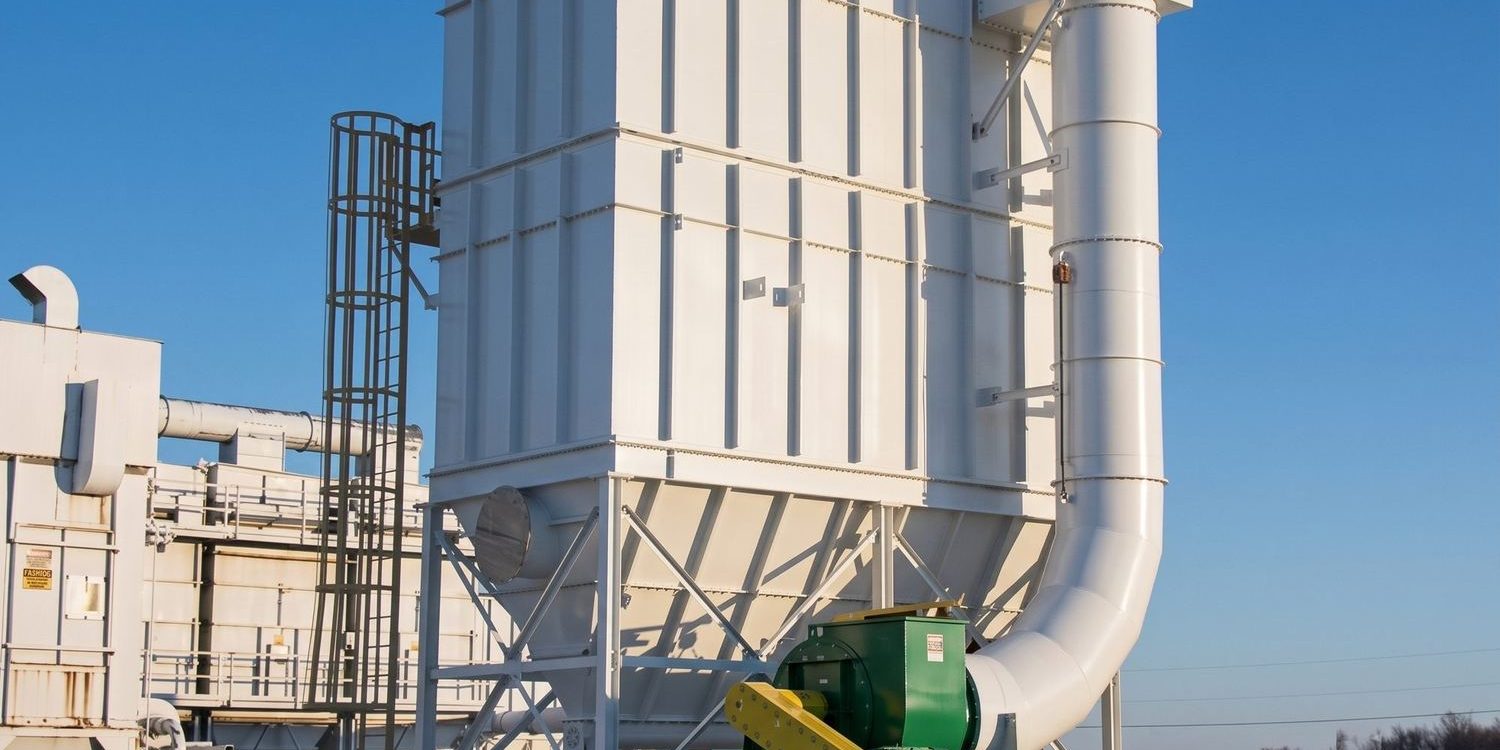
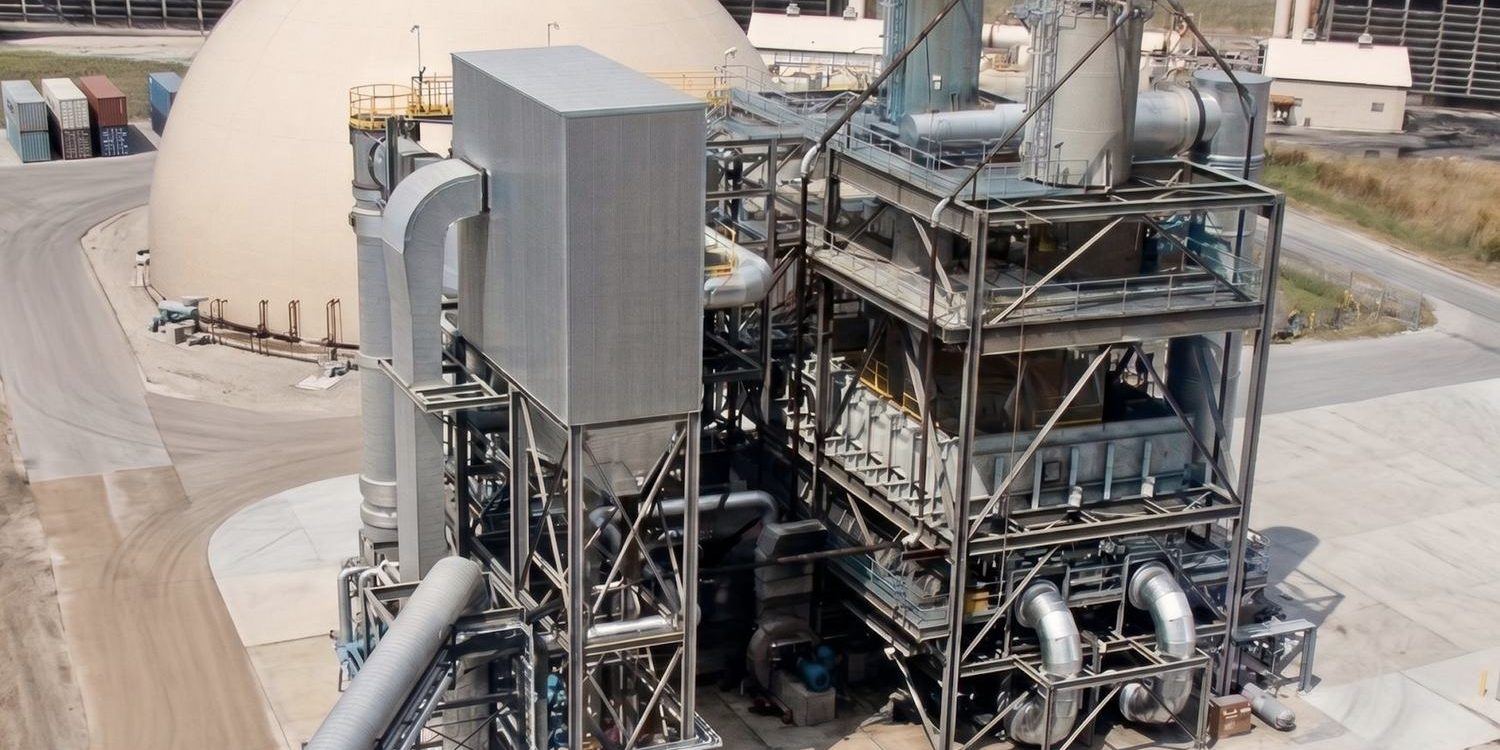
What we typically specify here

Tell Us What You Process
Send us the material, the process and the constraint. We will tell you what we would specify.