
Home / Applications / Silo & Bin Venting
Application
Silo, Bin and Hopper Venting
Sized for displacement during the fill, not for an average rate. That single distinction is why most bin vents blind.
The Problem
Filling a vessel displaces its air volume, and that air carries dust. Pneumatic filling adds conveying air on top of the displacement. Truck and railcar unloading produce intense surges lasting minutes, not a steady rate.
Why It Gets Misdiagnosed
Bin vents are commonly sized against an average or continuous rate. That is the wrong basis.
The correct basis is displacement volume during the fill, plus conveying air where the fill is pneumatic. A vent sized for average flow blinds during every fill, floods the vessel top, and eventually pushes dust out of the fill connection — which is read as a vent failure when it is a sizing error.
The second issue is cleaning timing. A vent that pulses continuously wastes compressed air and wears media; one that pulses only on a timer misses the fill entirely.
What We Specify
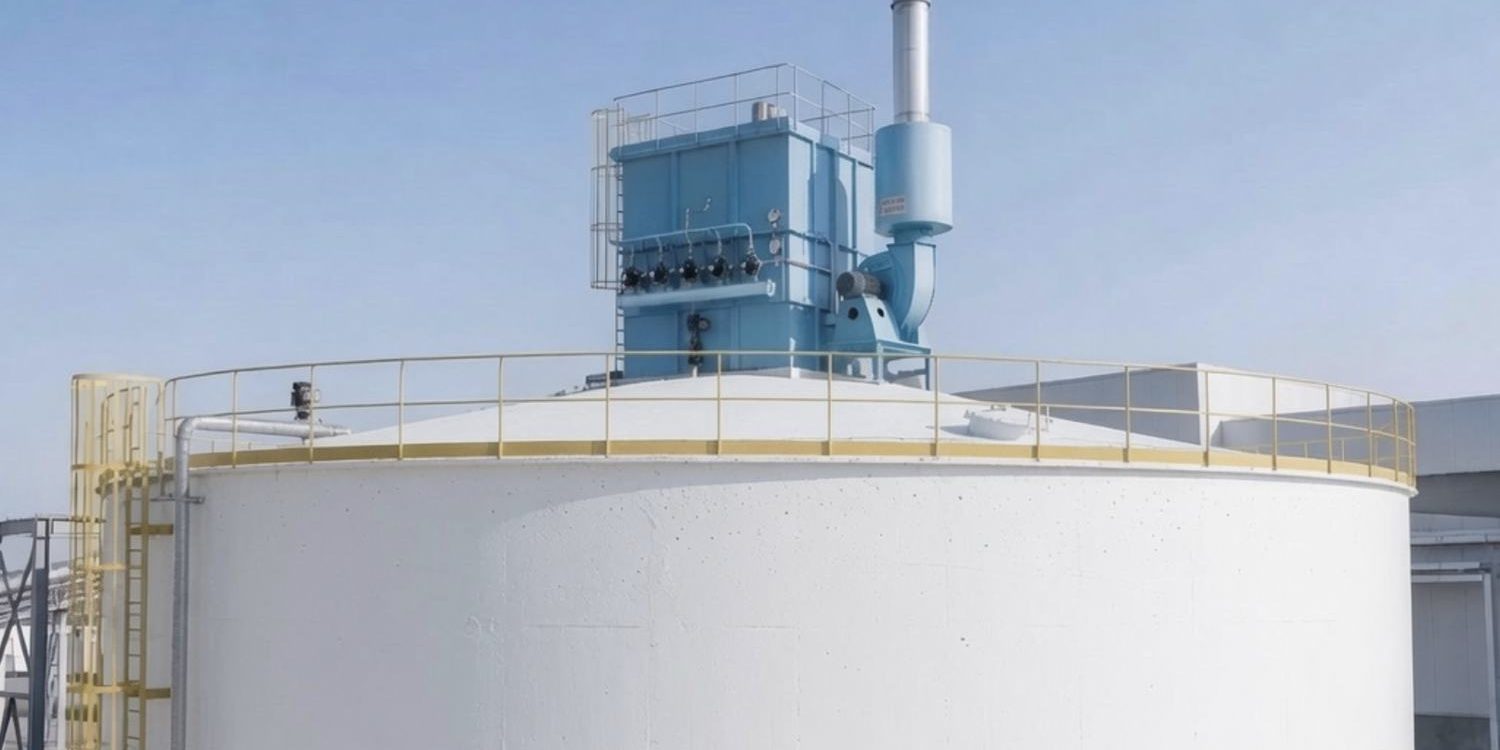
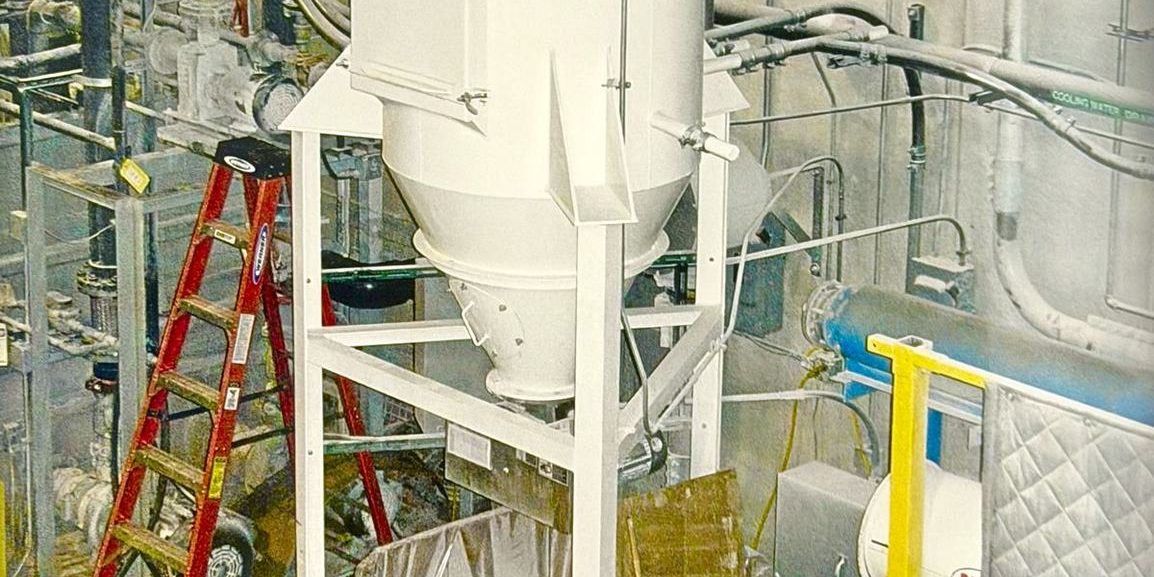
Top-mounted pulse jet bin vents sized for fill rate and conveying air, returning captured material directly into the vessel — no separate collection, no product loss.
Cleaning sequenced to fire during and immediately after the fill, rather than on a fixed cycle.
Media selected for the material’s release behaviour. Hygroscopic powders that cake need a membrane; free-flowing granular material usually does not.
Where the vessel is outdoors, weather protection and access that allows a media change without a crane.
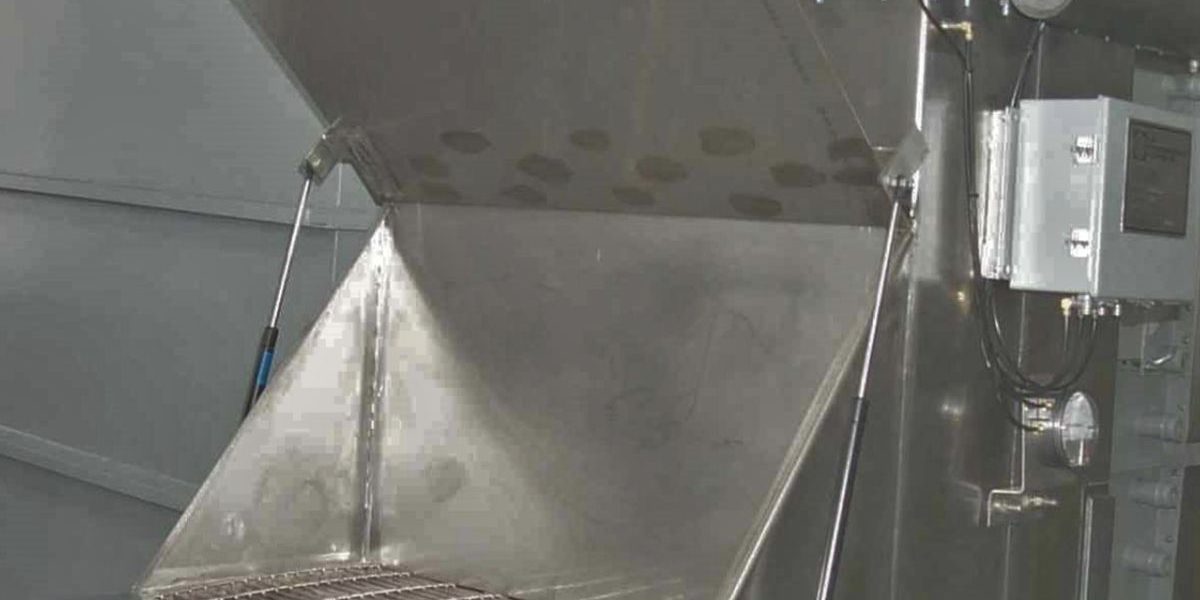
Ingredient silos with sanitary construction throughout — smooth welds, minimal crevices, cleanable to a documented standard. Capture efficiency improved 7% against the equipment replaced.
Read the full case study →Where This Applies
Cement and fly ash silos, food ingredient bins, chemical powder storage, aggregate weigh hoppers, feed and grain bins, and truck or railcar unloading stations.
Related equipment
What we typically specify
Tell Us About the Application
Send us the process, the material and the constraint. We will tell you what we would specify — and if something simpler would serve you better, we will say so.