
The risk
When the Dust Itself Is the Hazard
Flour, sugar, starch, wood, metal powders, and a wide range of chemical intermediates all form explosive mixtures when suspended in air at the right concentration. A dust collector concentrates exactly that mixture by design — which makes it one of the highest-risk assets in the plant, and the place where protection has to work.
Effective protection is not a product you add. It is a set of design decisions — vent area, isolation location, detection placement, grounding continuity — made from your material’s explosibility data and your process geometry.
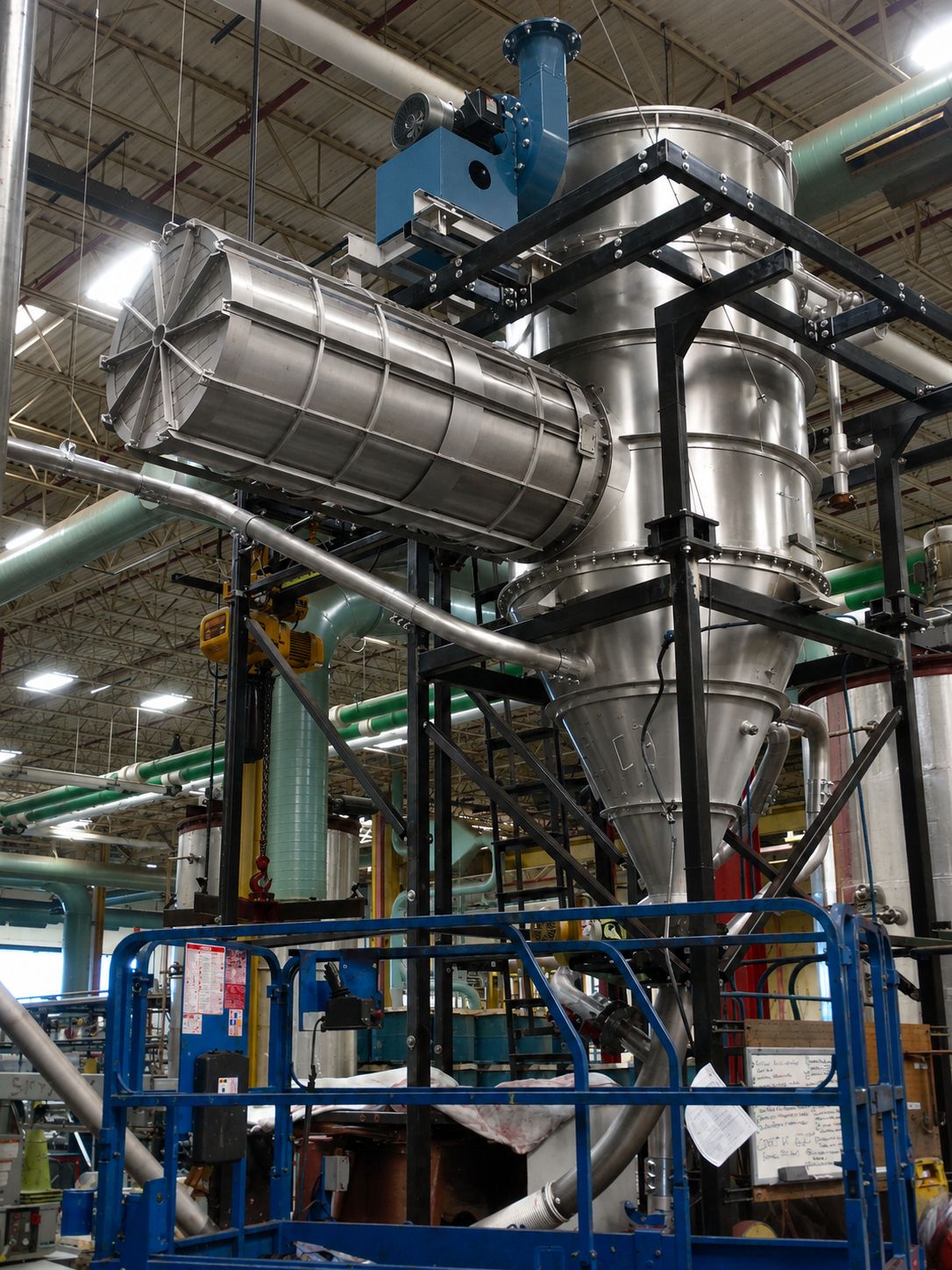
CPE Filter Systems designs the filtration and the protection together, so the finished system behaves predictably in an event rather than propagating one.
Need help with the analysis itself? DHA support, NFPA gap assessment, and retrofit evaluation are covered under explosion protection capability.
Key features
Configuration & Capability
Application-Specific Design
We begin with dust characterisation and DHA support, working from your material’s Kst, Pmax, MIE, and process conditions.
- Dust sampling and explosibility review
- DHA support and gap assessment
- Design basis documented for audit
Sanitary & Corrosion-Resistant
Food and chemical service each impose material requirements alongside the explosion risk.
- 304 stainless for food-grade sanitation
- 316L for corrosive chemical duty
- Smooth welds, minimal crevices
Layered Protection
High-efficiency filtration combined with the protection measures your analysis calls for.
- Deflagration venting sized to NFPA 68
- Chemical and mechanical isolation valves
- Spark detection and suppression upstream
- Grounding and bonding throughout
Compliance Documentation
Design calculations in the form your regulator, insurer, and corporate risk team will ask for.
- NFPA 68/69 design basis
- OSHA alignment documentation
- Equipment specifications for insurer review
How It Works
The Process
STAGE 01
Deflagration venting
Relief panels open at a preset pressure and direct the deflagration to a safe location — outdoors, or through a flameless vent where outdoor routing isn’t possible. Vent area is calculated from vessel volume and the dust’s Kst value, not estimated.
STAGE 02
Explosion isolation
Chemical or mechanical isolation valves in the duct runs stop a flame front travelling from the collector back into upstream process equipment. Without isolation, a protected collector can still propagate an event into the plant.
STAGE 03
Spark detection & suppression
Optical detectors upstream of the collector identify ignition sources in the conveying stream and trigger water-mist or chemical suppression before the spark reaches the filter media.
STAGE 04
Grounding & bonding
Continuous electrical continuity across the collector, ductwork, and discharge equipment prevents static accumulation — the ignition source most often missed in older installations.
Technical specifications
Specifications
Standard ranges — every unit configured to application
| Design basis | NFPA 68 (venting), NFPA 69 (explosion prevention) |
| Explosibility data required | Kst, Pmax, MIE – from testing of your actual material |
| Venting | Conventional relief panels or flameless venting devices |
| Isolation | Chemical suppression barriers or mechanical valves |
| Detection | Optical spark detection with water-mist or chemical suppression |
| Grounding | Continuous bonding across collector, ductwork, and discharge |
| Construction | Carbon steel; 304 stainless (sanitary); 316L (corrosive) |
| Collector type | Pulse jet baghouse or cartridge, application dependent |
| Documentation | Design calculations and specifications for regulator and insurer review |
Industries
Where It Works
Sanitary + Kst
Food & Baking
Flour, sugar, starch, spice, and dry ingredient handling.
Corrosive + Kst
Chemical Manufacturing
Organic intermediates, agricultural chemicals, pharmaceutical powders.
High Kst
Metal Processing
Aluminium, magnesium, iron, and mixed metallic fines.
Combustible
Woodworking
Sawdust, MDF, and resin dusts.
Containment
Pharmaceutical
API and excipient handling under containment.
Mixed hazard
Metal Recycling
Shredded scrap with organic contamination and fire risk.
Proof
In Service
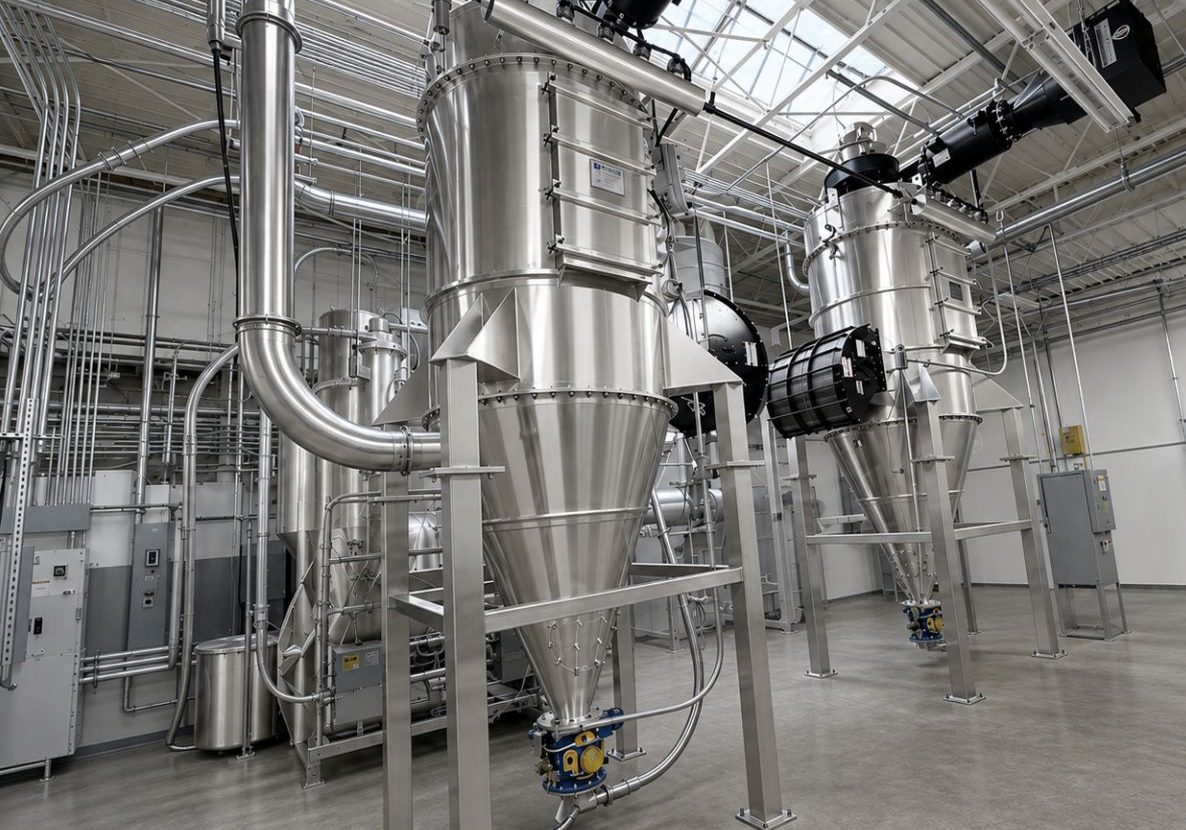
Food Processing
Sanitary stainless baghouse for combustible flour and sugar dust
Capture efficiency up 7%, DHA gaps closed
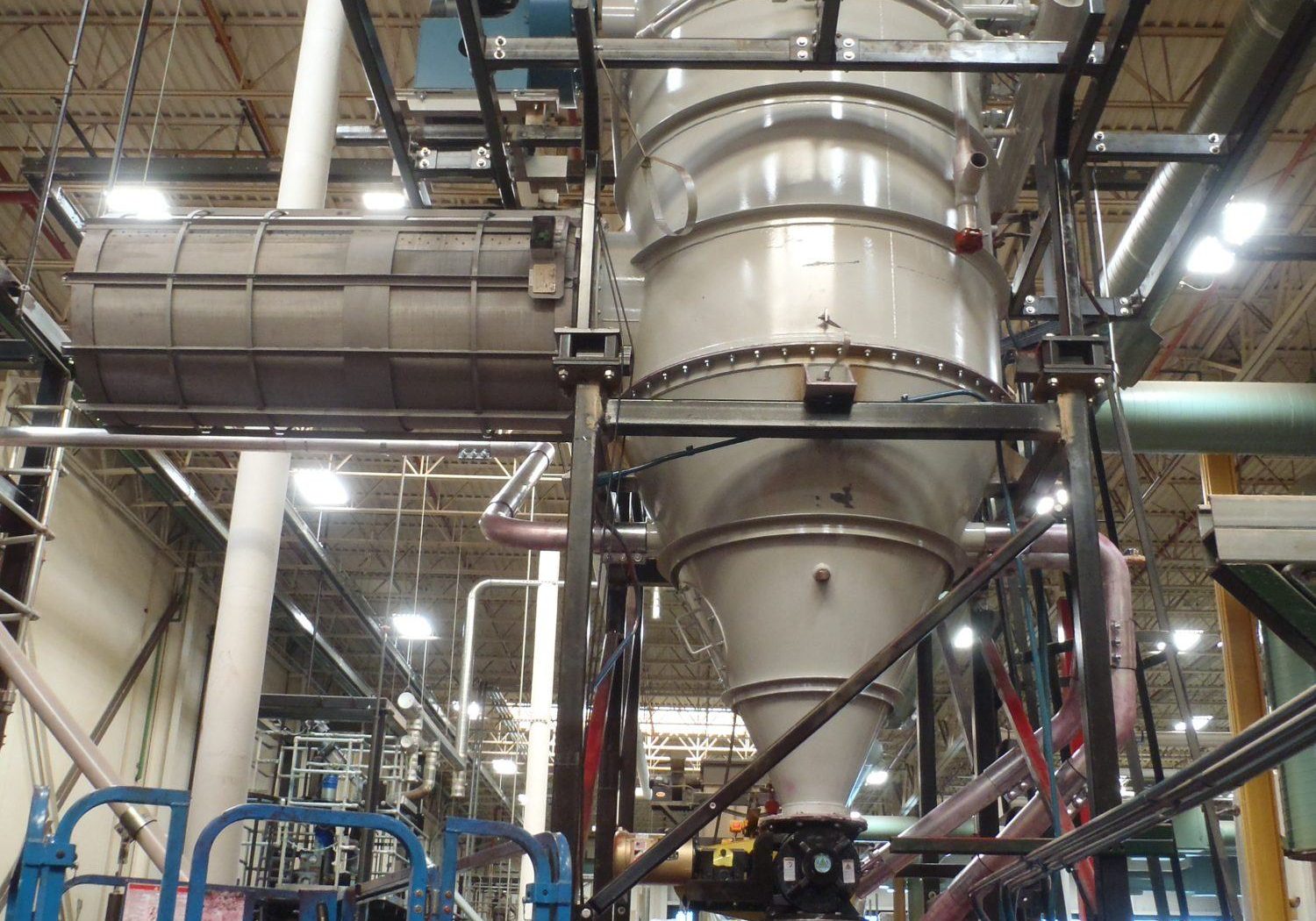
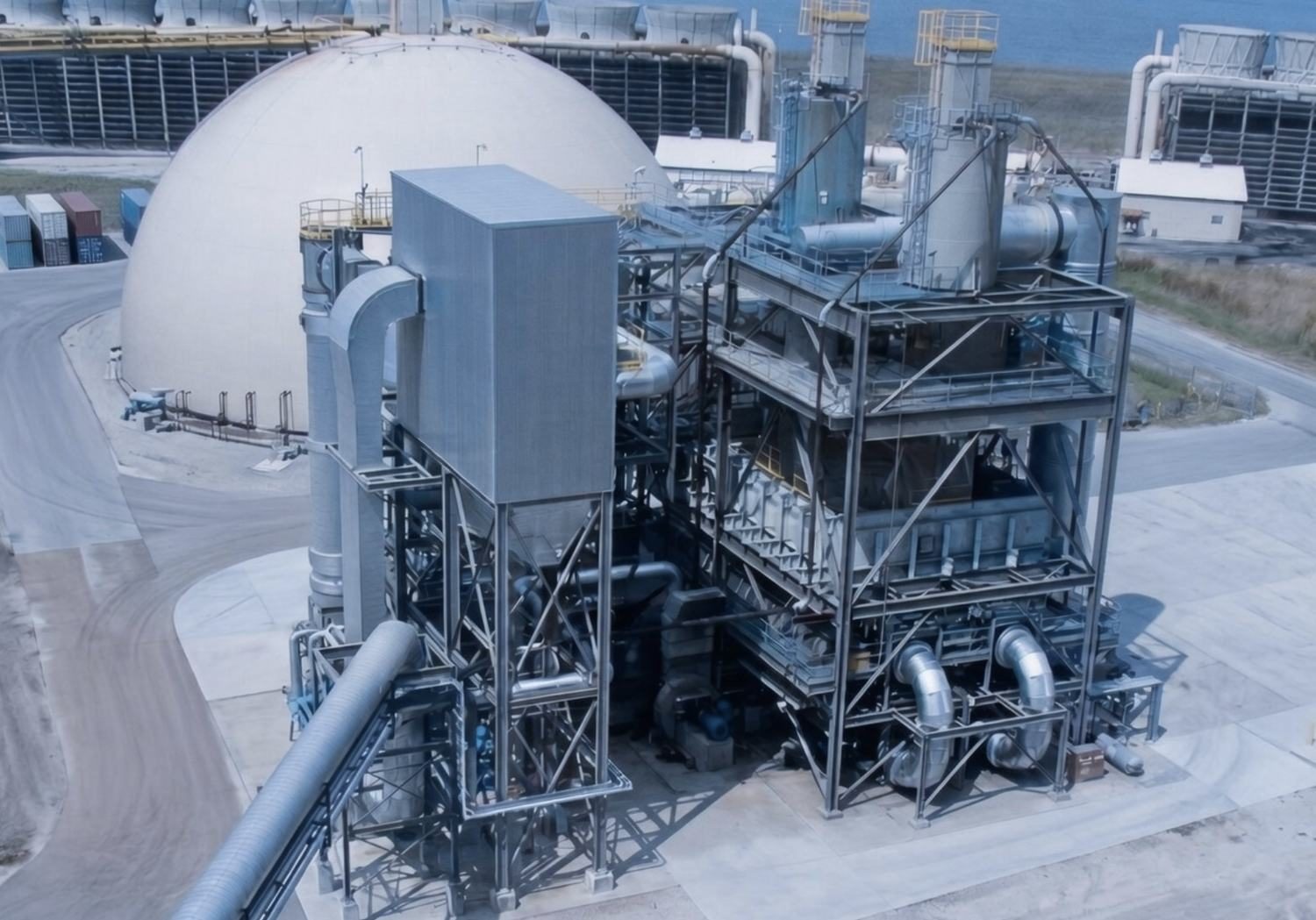
Metal Recycling
Multiple ageing collectors replaced by one central system
Fugitive emissions down 75%
Common questions
FAQs
Do I need a Dust Hazard Analysis before you can quote?
Not to start the conversation, but the DHA determines the protection design, so it has to exist before the system can be finalised. If you don’t have one, we can point you to the testing and support you need.
What is Kst and why does it matter?
Kst is a measured index of how violently a dust deflagrates. It sets the required vent area — a high-Kst dust needs substantially more relief than a low-Kst one. It is determined by laboratory testing of your actual material, not looked up by material type.
Can protection be retrofitted to an existing collector?
Sometimes. It depends on the housing’s pressure rating, its location relative to safe vent paths, and duct geometry. A site assessment will tell you whether retrofit is viable or replacement is the honest answer.
What if we can’t vent outdoors?
Flameless venting devices allow relief inside a building by quenching the flame front. They cost more than conventional panels and impose their own siting requirements, but they solve the indoor-collector problem.
Does explosion protection satisfy OSHA?
OSHA enforces combustible dust hazards primarily through the General Duty Clause, referencing NFPA standards as recognised good practice. A system designed to NFPA 68/69 with documented basis puts you in a defensible position — but housekeeping, training, and ignition control are equally part of compliance. See our OSHA requirements guide.
Tell Us About Your Application
Send us your airflow, dust type, temperature, and plant constraints. Our engineers will size and configure a system for your process — and tell you plainly if something else would serve you better.