
Home / Products /
Industrial Dust Collection Systems
Baghouse, cartridge, cyclone, and HEPA — custom-engineered around your dust, your temperature, and your plant. Not selected from a size chart.mounted dust control for bins, silos, dryers, mixers, and conveyors — returning captured material straight back into your process.
Start here
Most Dust Collection Problems Are Specification Problems
An off-the-shelf collector sized from a chart will meet its nameplate rating and then spend a decade underperforming on your specific dust. The difference between a system that holds its differential pressure for years and one that fights you every quarter is almost always decided before anything is fabricated.
Every system is built to the application — from a single machine at 400 CFM to a plant-wide installation at 200,000 CFM. Below are the technologies we build; beneath them, a selection guide that maps each one against the process constraints that actually decide the answer.
Equipment
Collector Technologies
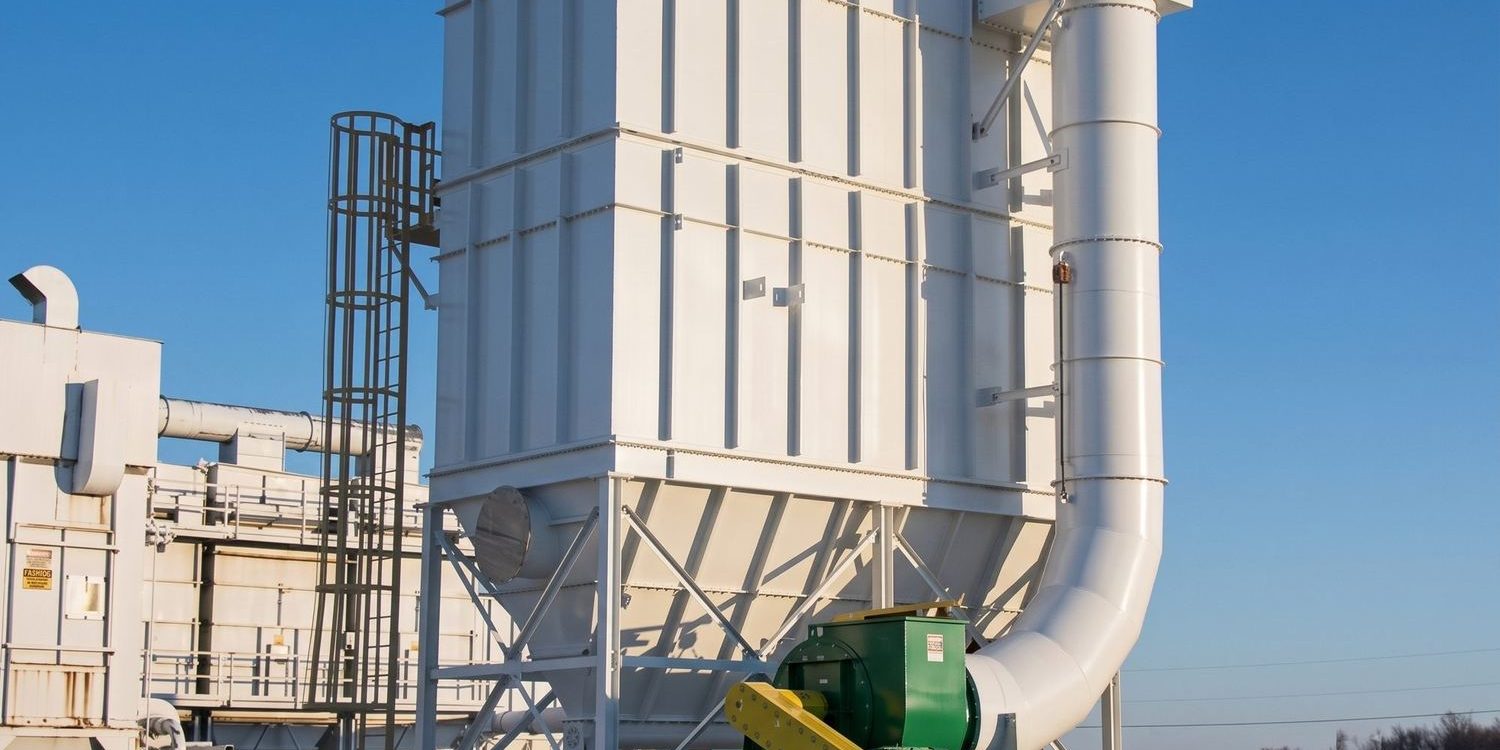
Baghouse Collectors
Pulse jet fabric filtration for the heaviest duty — high loading, high temperature, abrasive particulate. The workhorse of cement, foundry, and metal processing.
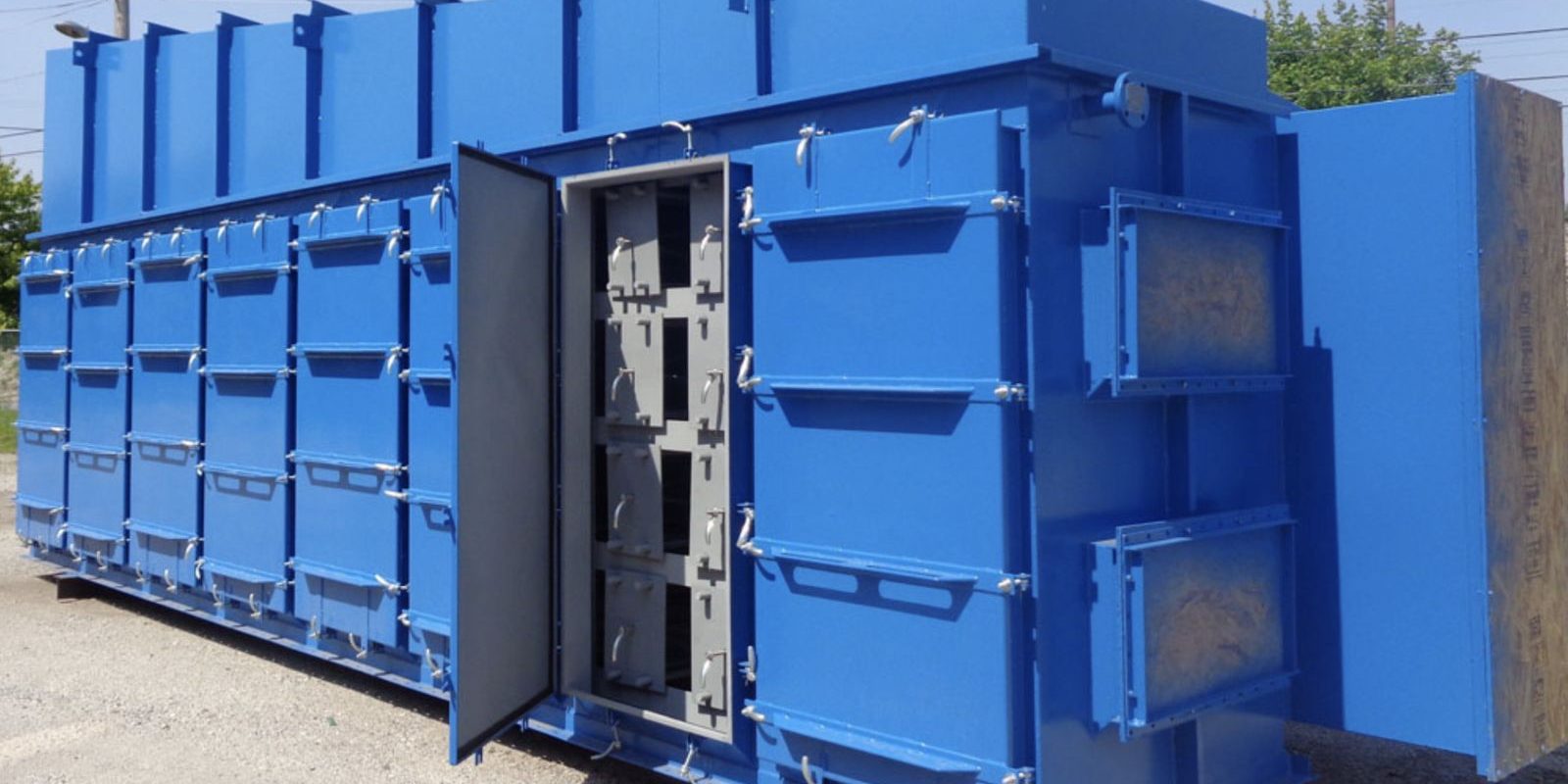
Cartridge Collectors
Pleated media packs more filtration area into a smaller housing. The answer when dust is fine and light and floor space is the binding constraint.
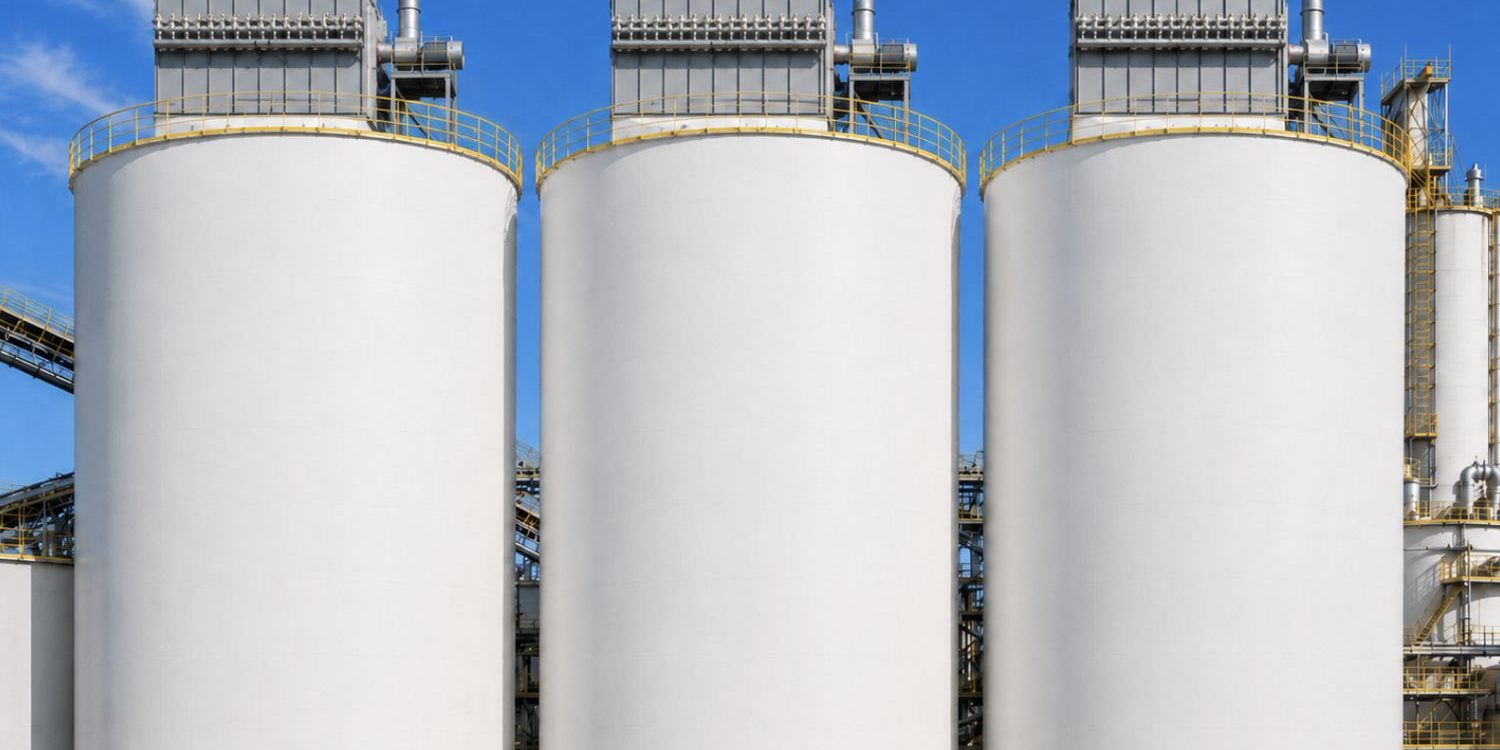
Bin Vent Filters
Mounts directly on the bin or silo and returns captured material into the vessel. No hopper, no duct run, no second handling step.
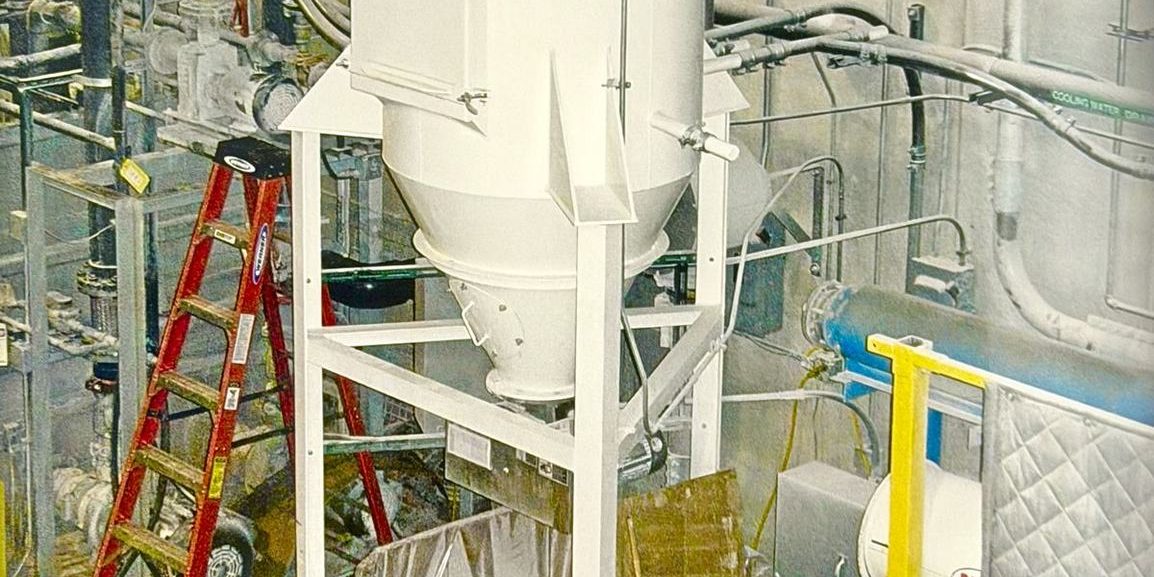
Filter Receivers
Separates conveyed material from the transport air at the end of a pneumatic line, discharging product for continued processing.
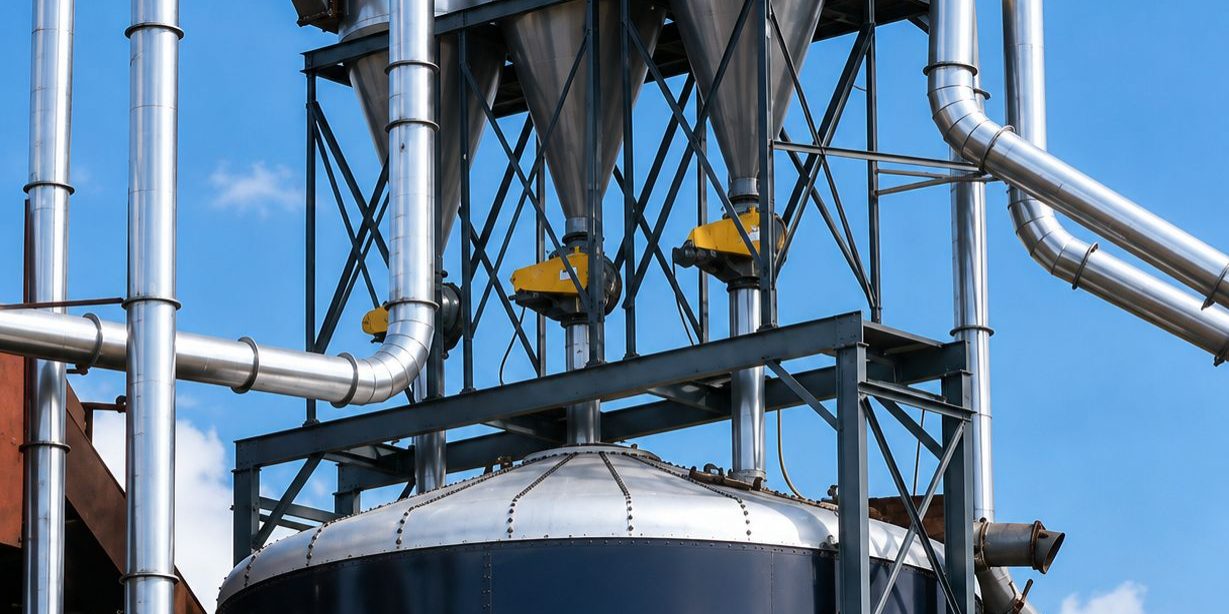
Mechanical Cyclones
Inertial separation with no media to replace. Used alone on coarse abrasive dust, or as a pre-cleaner ahead of a fabric collector.
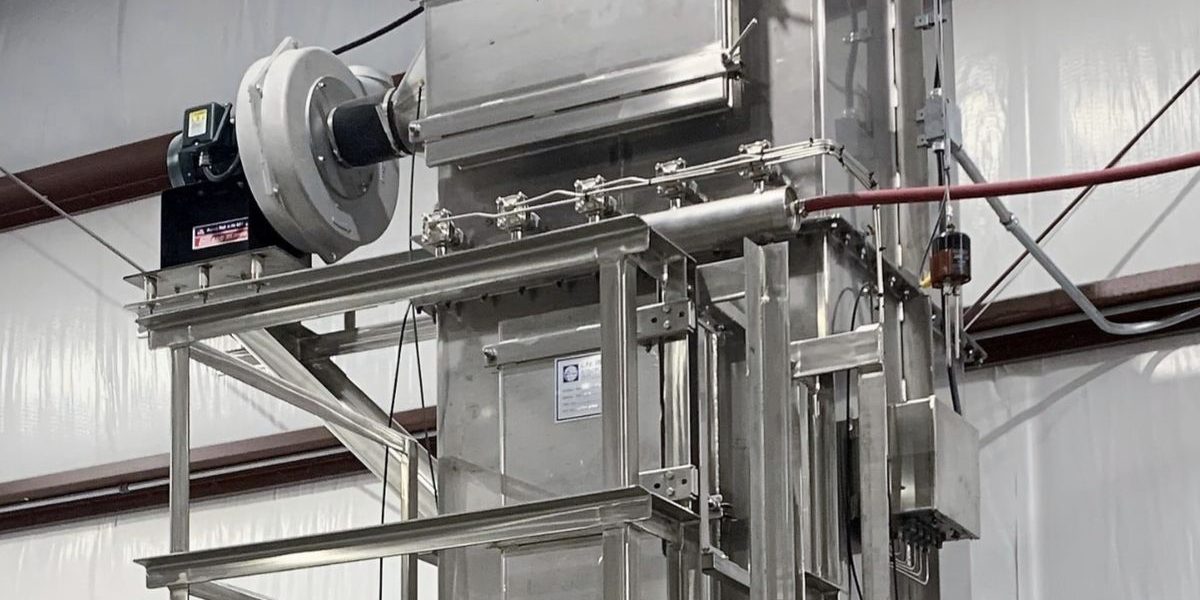
HEPA Filtration
Final-stage filtration to 99.97% at 0.3 µm, where the discharge is into an occupied space or a regulated exhaust.
Selection guide
Which Collector Suits Your Process?
Find the row that matches your dominant constraint. Where two apply, the more restrictive one usually decides.
Collector selection by process constraint
| YOUR CONSTRAINT | BAGHOUSE | CARTRIDGE | CYCLONE | BIN VENT | FILTER RECEIVER | HEPA |
|---|---|---|---|---|---|---|
| Heavy dust loading | Best fit | Limited | As pre-cleaner | N/A | Good | No |
| Fine particulate <10 µm |
Best fit | Best fit | Poor | Good | Good | Final stage |
| High temperature >350°F |
Best fit | Limited | Good | Limited | Good | No |
| Abrasive particulate | Best fit | Poor | Best fit | Good | Good | No |
| Limited floor space | Large footprint | Best fit | Moderate | Vessel-mounted | Moderate | Compact |
| Limited headroom | Poor | Good | Poor | Insertable | Poor | Good |
| Material must return to process |
Via airlock | Via airlock | Best fit | Best fit | Best fit | No |
| Combustible dust | With protection | With protection | With protection | With protection | With protection | With protection |
| Sanitary / food- grade |
304 / 316L | 304 available | 304 available | 304 / 316L | 304 / 316L | Stainless |
| Single pickup point | Oversized | Good | Good | Best fit | Best fit | Good |
| Many pickup points | Best fit | Good | As pre-cleaner | No | Limited | Final stage |
How we engineer a system
Four Stages, Every Project
STAGE 01
Characterise
Dust sampling, particle size analysis, gas flow measurement, and review of your operating data. We find out what we’re actually filtering before we design anything.
STAGE 02
Size
Air-to-cloth ratio, filter area, and media set from the characterisation — conservatively, because filter life is worth more over ten years than the saving on a smaller housing.
STAGE 03
Design
Housing, inlet geometry, hopper, discharge, access, and explosion protection, laid out around the building and the access you actually have.
STAGE 04
Support
Fabrication, installation supervision, commissioning, operator training, and parts — from the people who designed it.
Proof in service
Five Installations, Measured
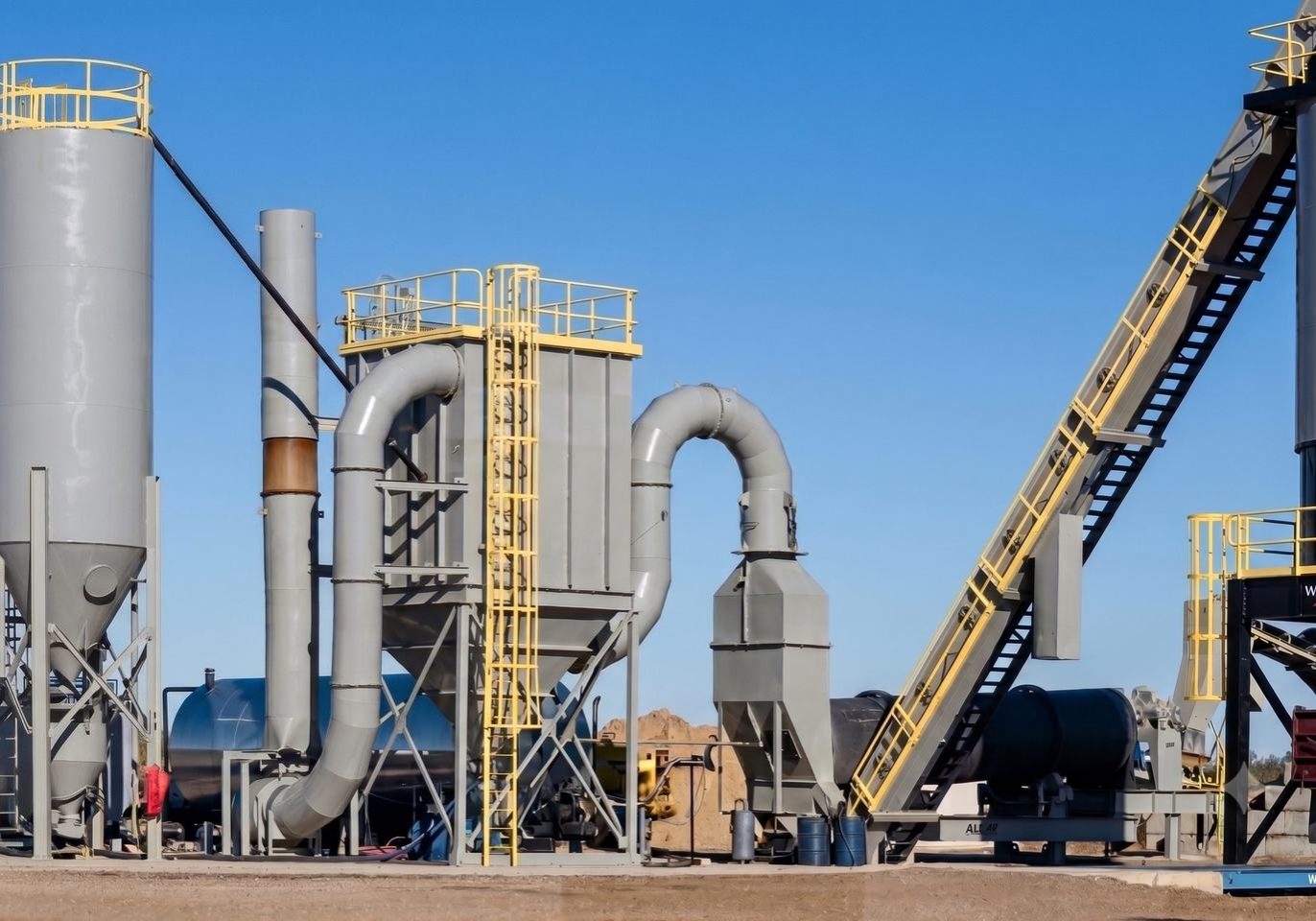
Cement & Aggregates
92,000 ACFM baghouse for a kiln at the edge of its permit
Bag life 11 → 17 months, maintenance hours halved
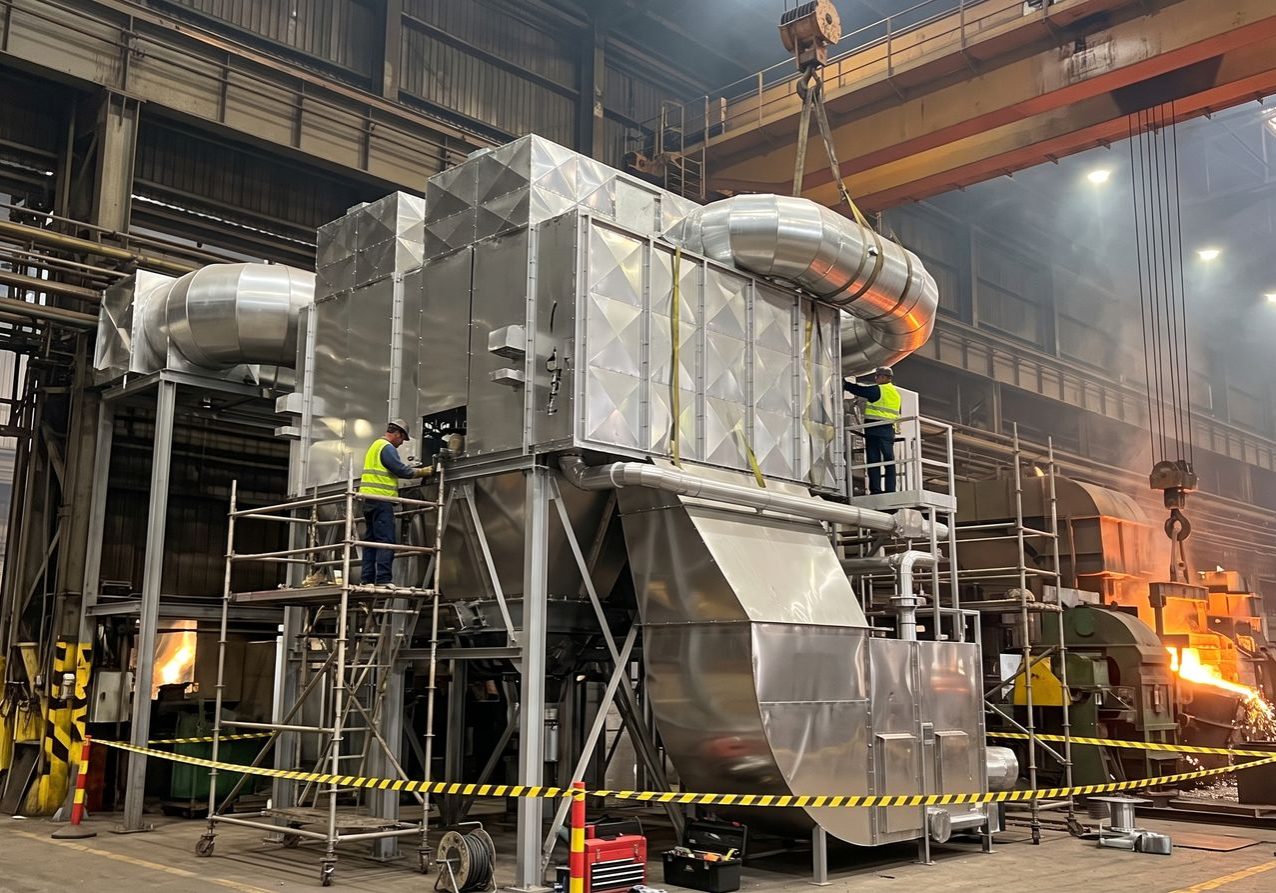
Foundry
135,000 ACFM of EAF fume capture, and a melt shop that cleared
Bag replacement frequency down 25%
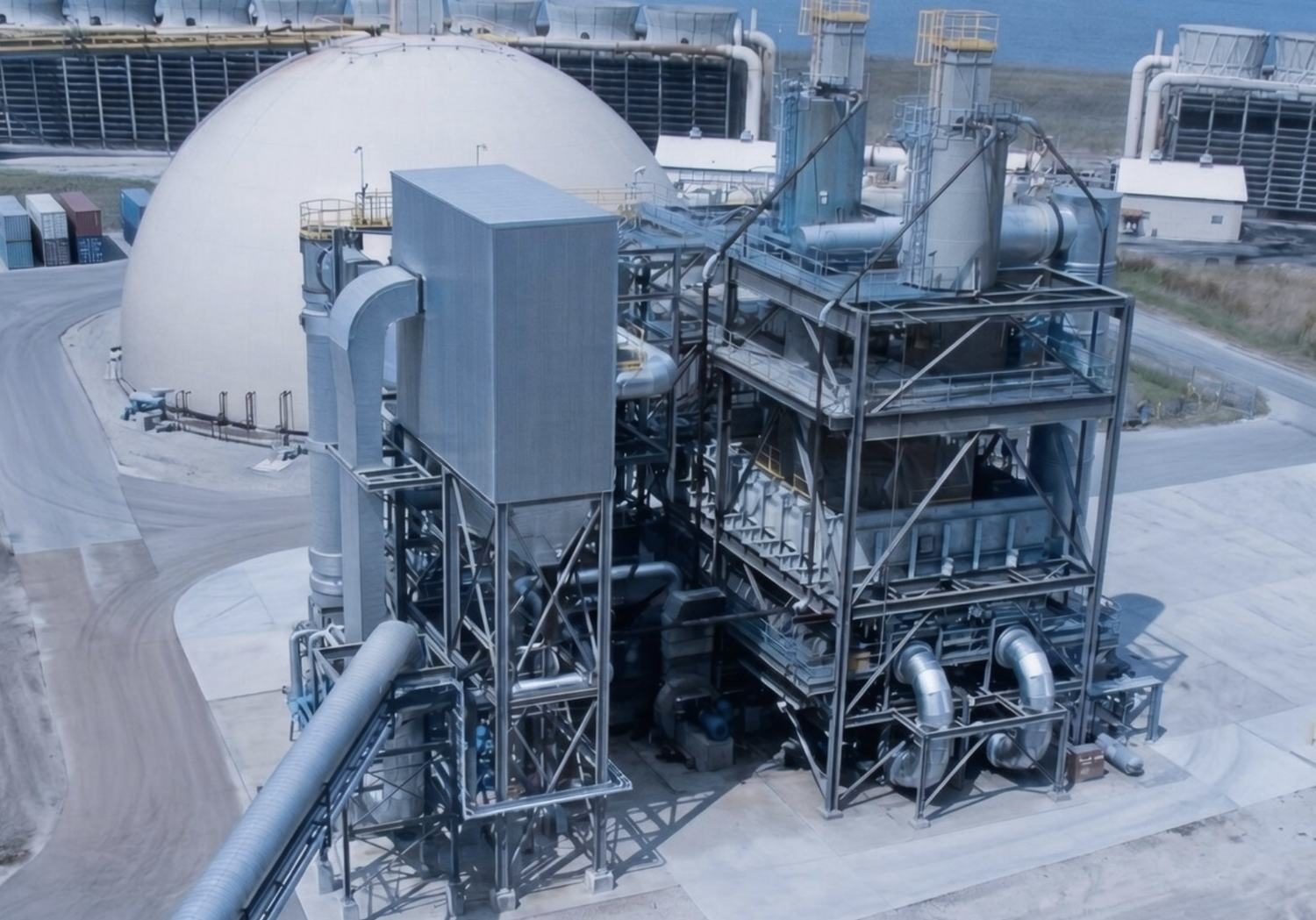
Metal Recycling
Multiple ageing collectors replaced by one central system
Fugitive emissions down 75%
Industries
Where Our Equipment Works
Cement & Aggregates
Kiln, clinker cooler, and material handling — high dust loading and abrasive mineral particulate.
Foundry & Metal Casting
Electric arc furnace fume, pouring, shakeout, and finishing at sustained high temperature.
Chemical Processing
Corrosive and hygroscopic powders requiring stainless construction and chemical-compatible media.
Food & Baking
Flour, sugar, and starch handling with sanitary design and combustible dust protection.
Metal Recycling
Shredding and melting with abrasive metallic dust and elevated fire risk.
General Manufacturing
Grinding, blasting, mixing, and conveying across a wide range of plants.
Not Sure Which System You Need?
Send us your dust type, airflow, temperature, and plant constraints. We’ll work through the options with you — including the ones we don’t supply, if they suit you better.